

Breakfast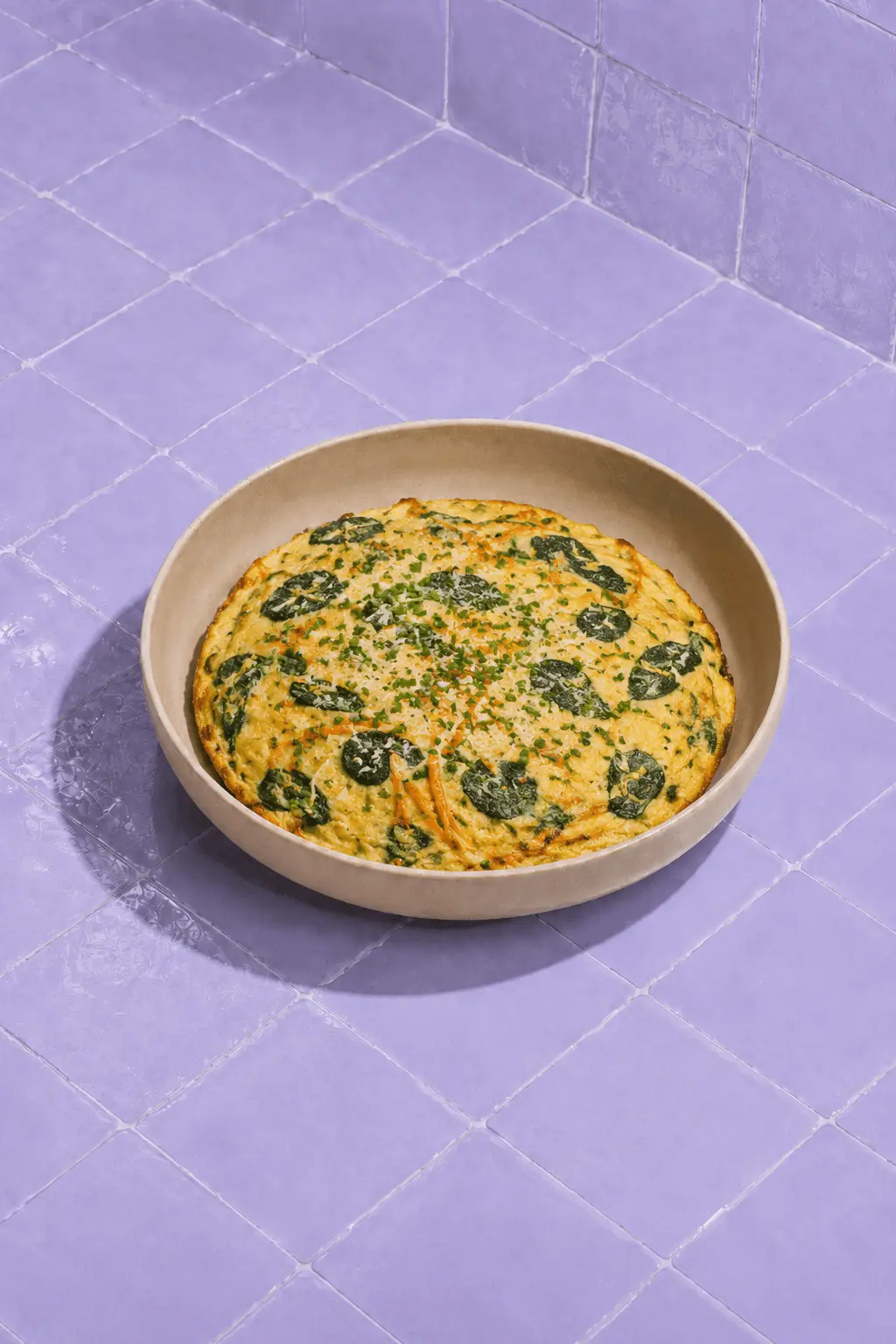

Carrot and Spinach Frittata
25 minEasy
Dairy · Milk
Milk (lactose-free): the low FODMAP reference is 250 ml. The reference describes milk, cow, lactose free, regular fat. Use that specific preparation when measuring the portion; a mixed dish or different formulation needs a separate check.
Milk, cow, lactose free, regular fat: 250 ml low. Use the stated preparation and unit.
| Serving | Amount | FODMAP rating |
|---|---|---|
| 1 cup | ||
| Reference portion | Not available | |
| Reference portion | Not available |
The references for milk, cow, lactose free, regular fat are 250 ml low. They are comparison portions, not exact transition cutoffs or personal tolerance limits. No moderate or high reference is supplied; an unavailable value does not mean zero.
For milk (lactose-free), keep the exact form and amount in mind. Lactose-free and dairy-free describe different properties. Added ingredients still matter when comparing finished products. Monash: dairy and lactose. This public source supplies background, not verification of the numerical table.
The reference describes milk, cow, lactose free, regular fat. Use that specific preparation when measuring the portion; a mixed dish or different formulation needs a separate check. Compare Milk (Cow, Regular Fat), Macadamia Milk, Oat Milk. These guides describe their own preparations and portions.
Milk (lactose-free): 250 ml low. These values apply to milk, cow, lactose free, regular fat.
The reference describes milk, cow, lactose free, regular fat. Use that specific preparation when measuring the portion; a mixed dish or different formulation needs a separate check.
Compare Milk (Cow, Regular Fat), Macadamia Milk, Oat Milk. These guides describe their own preparations and portions.
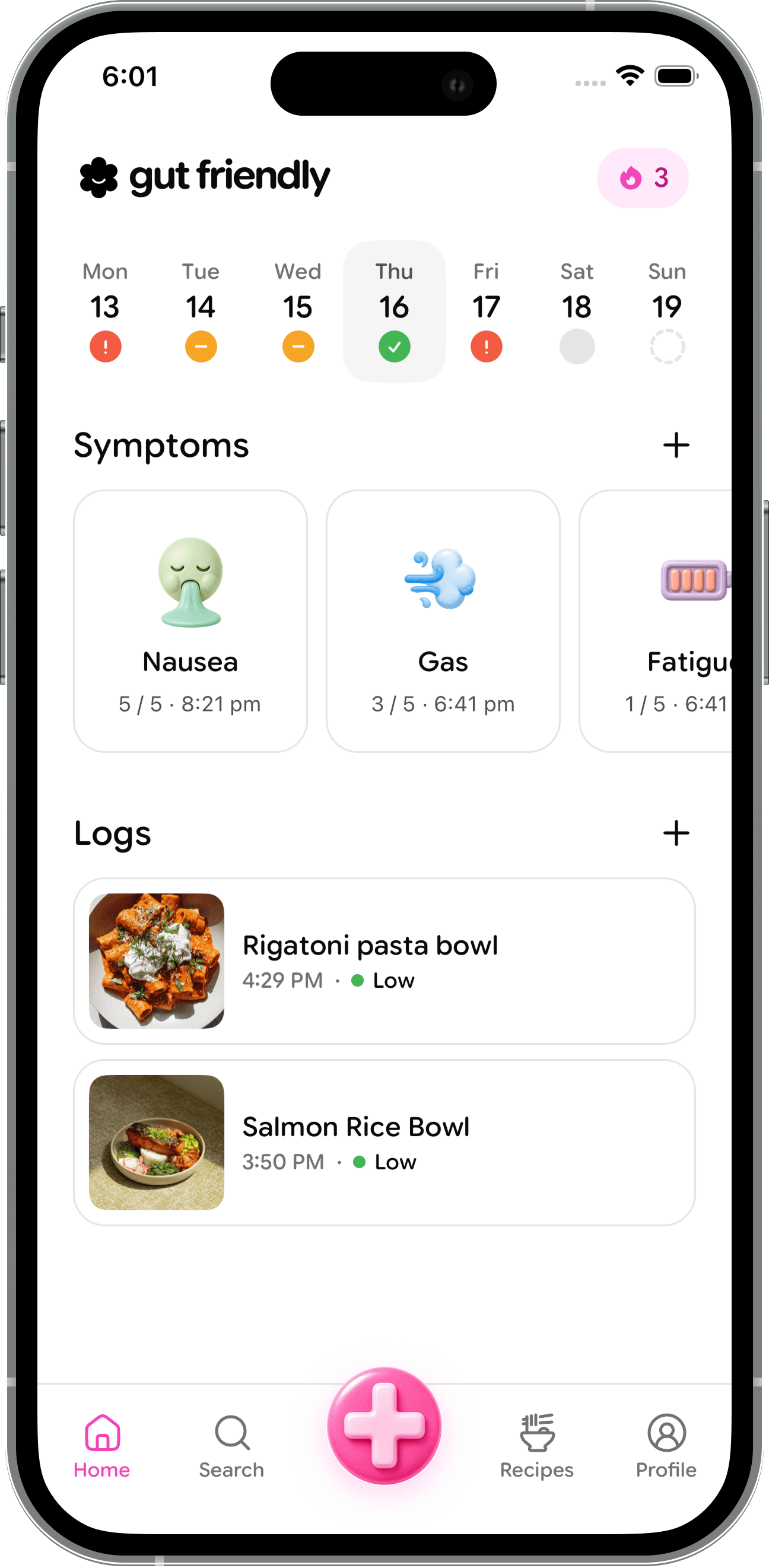
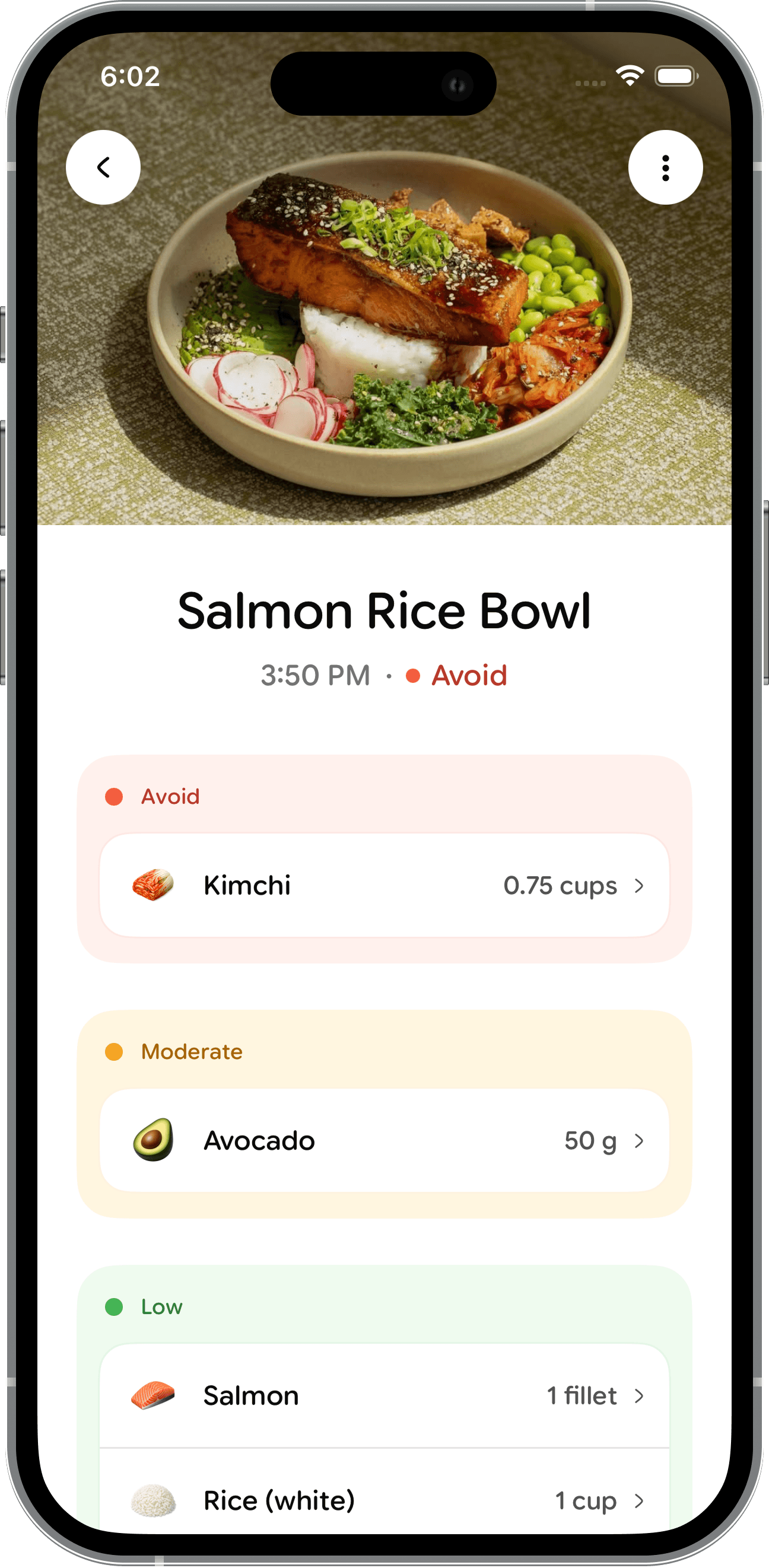
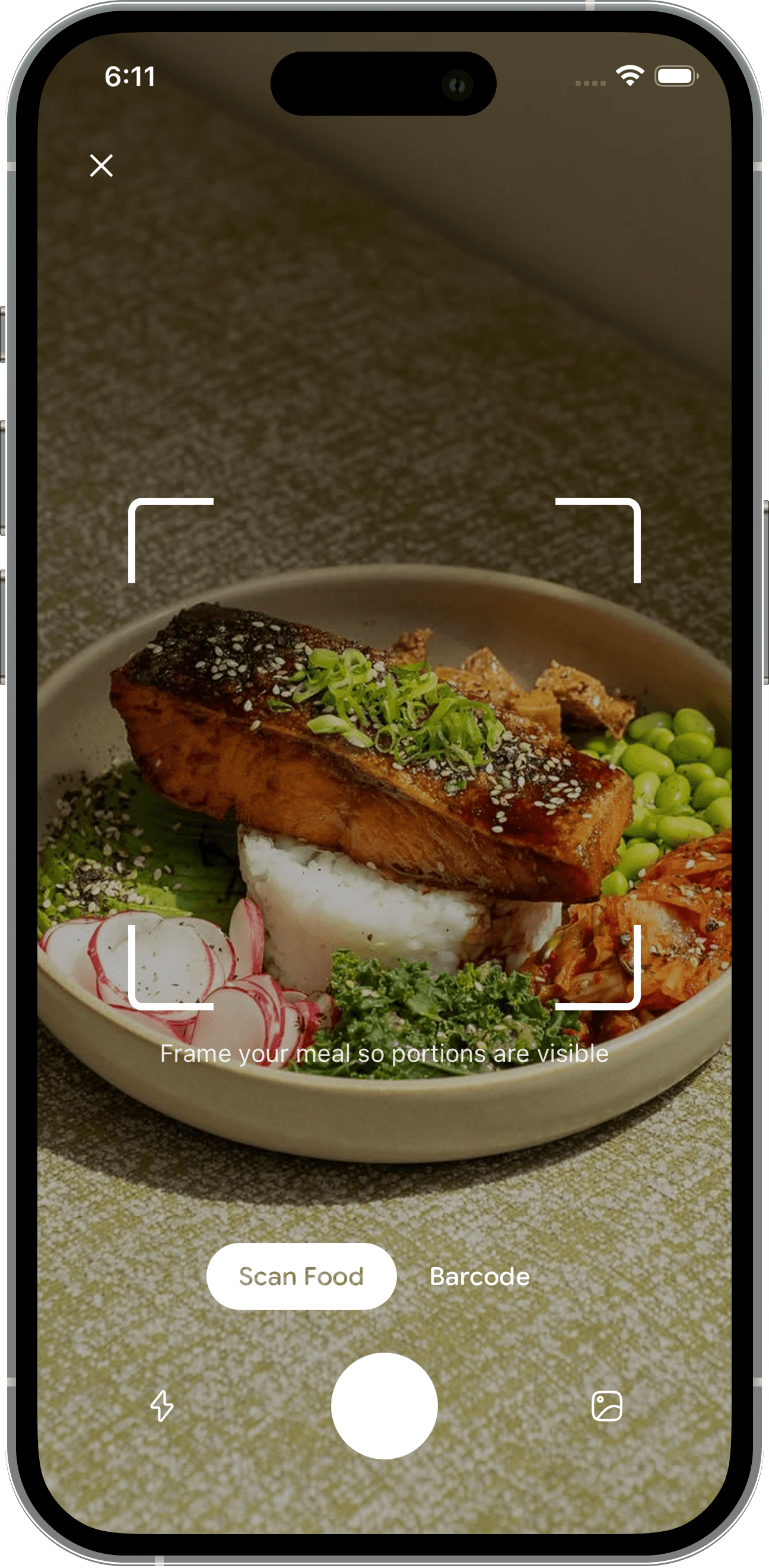
Not sure about a whole meal? Scan it with the Gut Friendly app.
Get the appExplains lactose versus dairy and lactose-free labelling; does not establish these food-specific portion weights.