


Eggplant (Aubergine)
Vegetables · Nightshades
Raw unpeeled eggplant, also called aubergine or brinjal has a low FODMAP reference of 75 g. The 178 g reference is moderate and 269 g is high. These are listed reference portions, not exact transition cutoffs.
Serving sizes for eggplant (aubergine)
75 g low; 178 g moderate; 269 g high. Use the stated raw preparation.

Reference portions
Select an amount or rating to update your portion. These are reference portions, not exact cut-offs or recommended intakes.| Serving | Amount | FODMAP rating |
|---|---|---|
| 1 cup | ||
| 2 1/2 cups | ||
| 3 2/3 cups |
Is eggplant (aubergine) low FODMAP?
At 75 g, all listed FODMAP components are low. At 178 g, sorbitol is moderate. At 269 g, sorbitol is high. Compare the separate variety and preparation guides before substituting another food.
Eggplant (Aubergine) and IBS: what to know
Weigh the skin-on raw eggplant before roasting or adding it to a recipe. Slices from a large aubergine vary considerably in weight. Supporting background: Monash: Low FODMAP shopping list. General shopping context; not evidence for this exact variety or its full portion table.
Gut-friendly ways to eat eggplant (aubergine)
Record the raw eggplant used in each serving of a bake. If using a prepared eggplant dip, check that product separately; zucchini is another vegetable to compare by its own portions.
Frequently asked questions
What is the low FODMAP portion of raw unpeeled eggplant, also called aubergine or brinjal?
The low reference is 75 g; the moderate reference is 178 g and the high reference is 269 g. Match the preparation and use the gram weight.
Can the same weight be used for eggplant dip?
No. A dip combines eggplant with other ingredients and may have a different water content. Use its own product or recipe guidance.
Should I use the cooked weight?
These references describe raw unpeeled eggplant, also called aubergine or brinjal. Keep the starting raw ingredient weight for a cooked recipe; no raw-to-cooked conversion is established here.

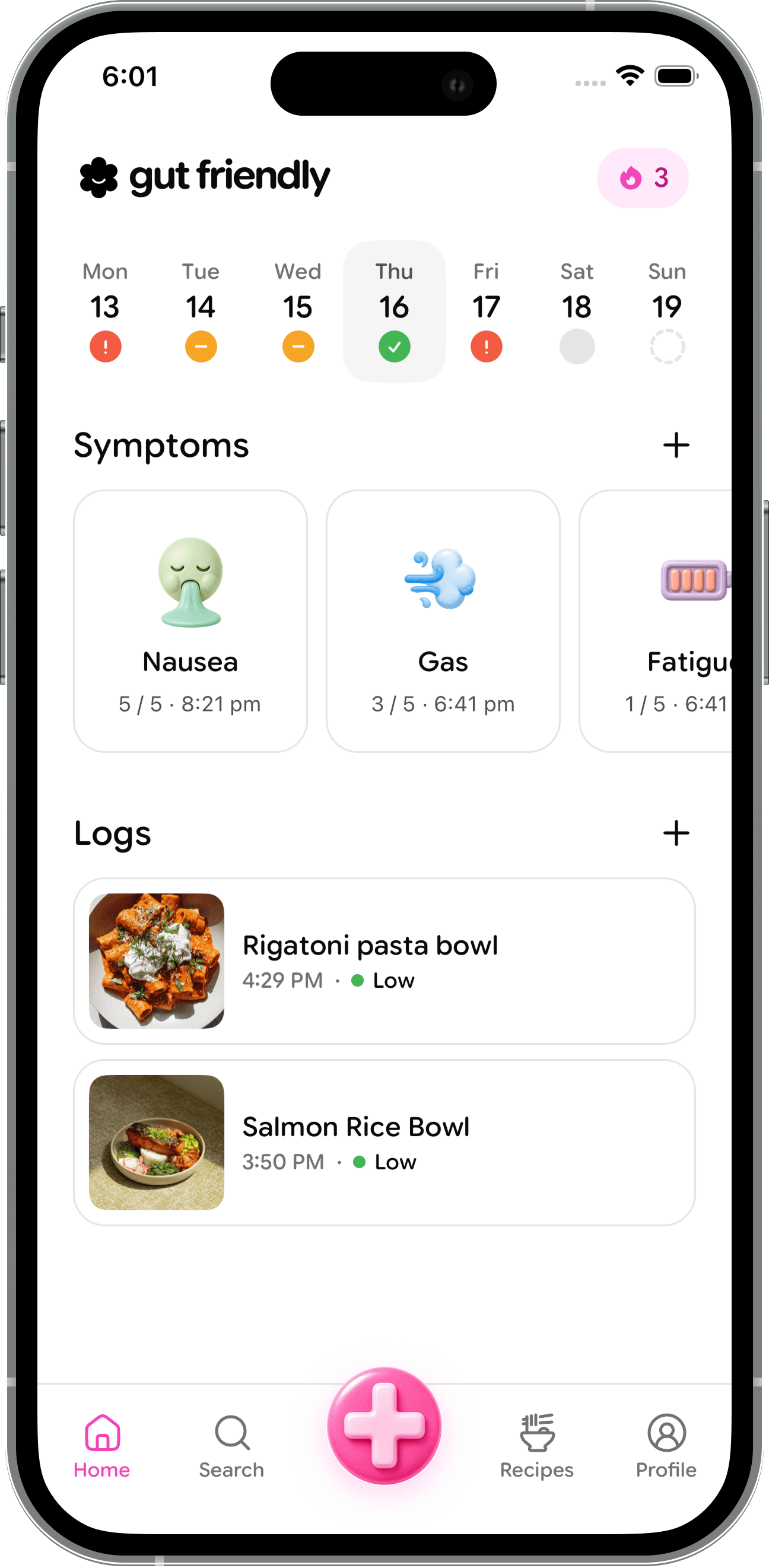
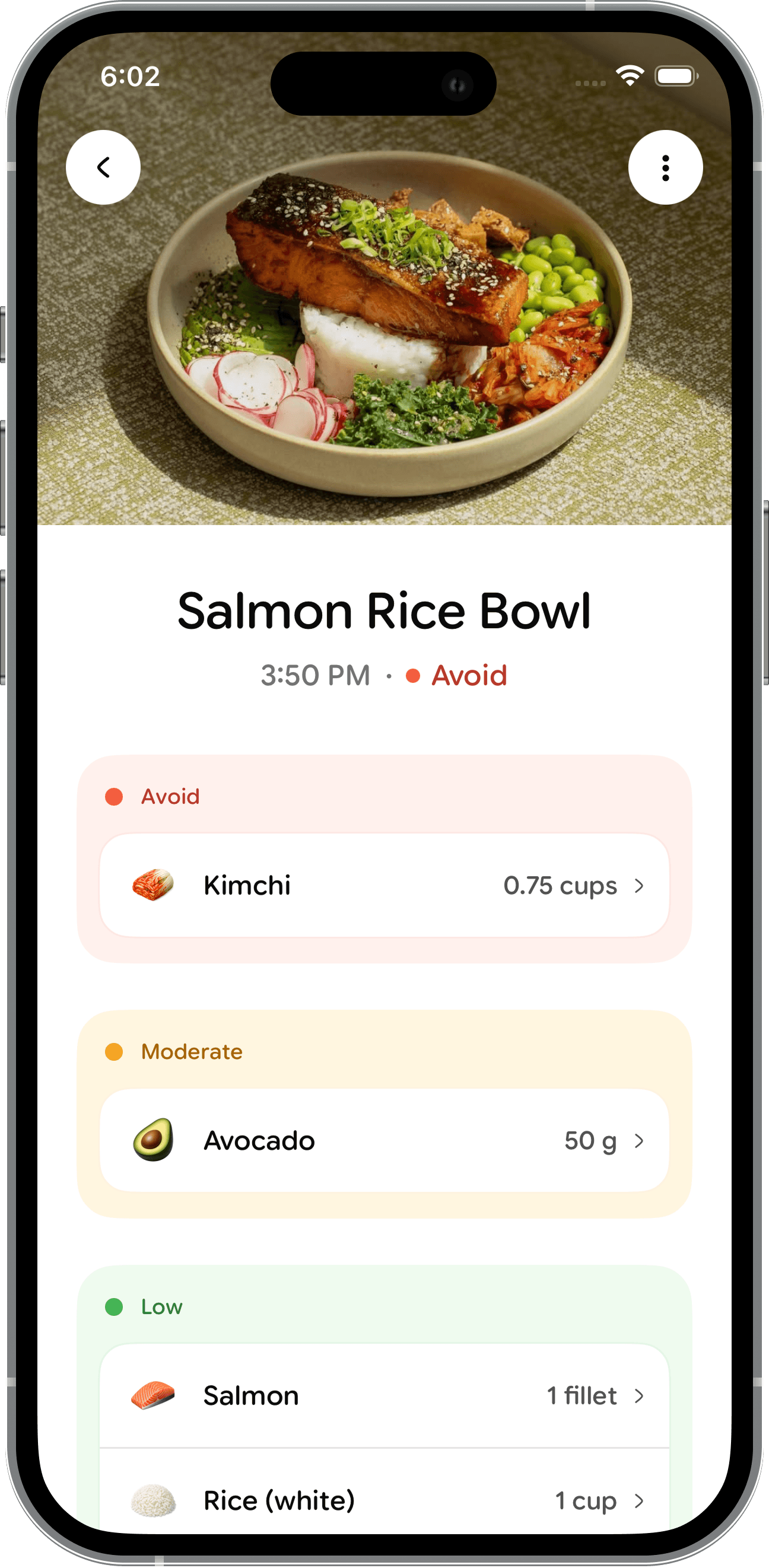
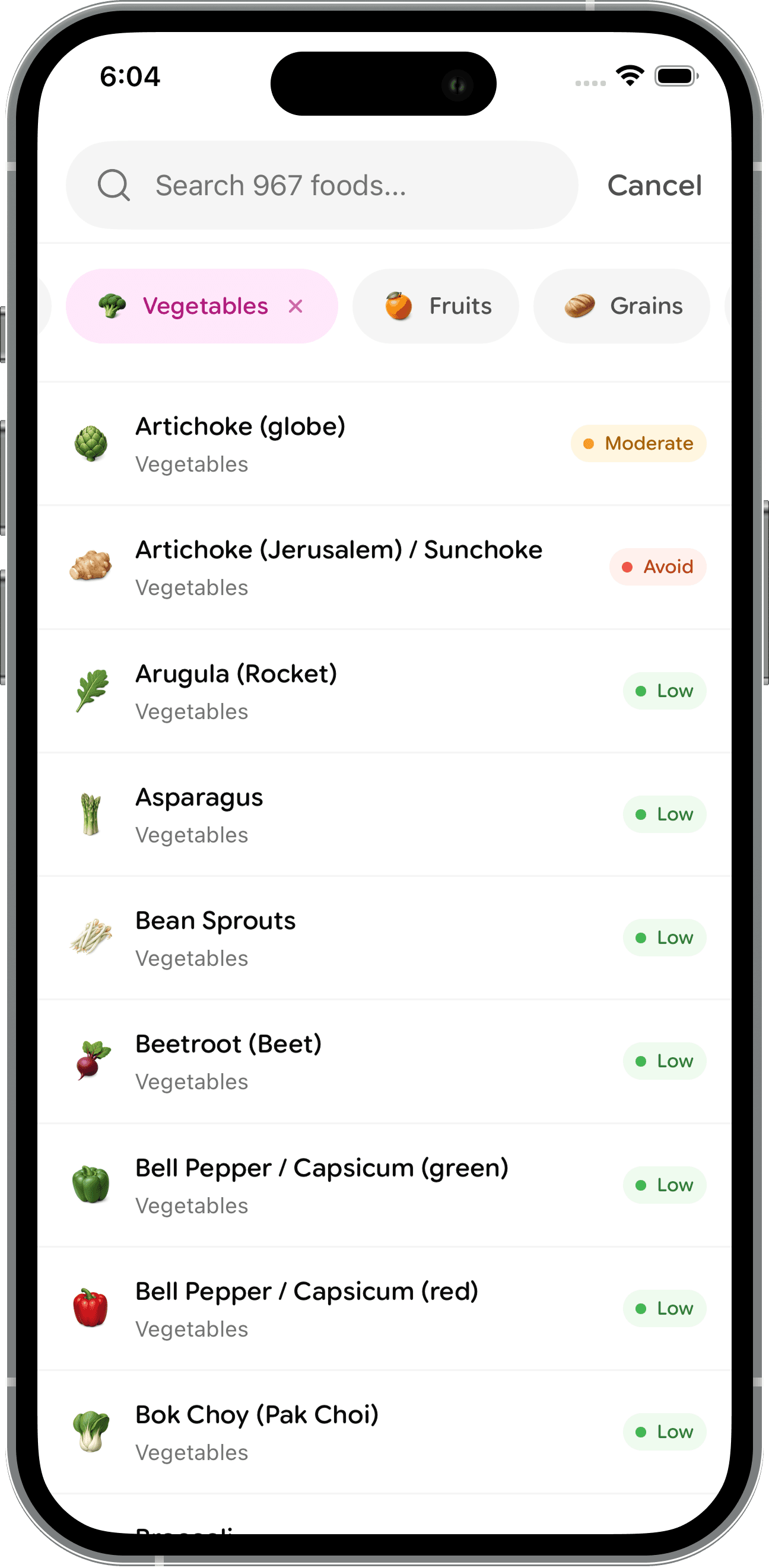
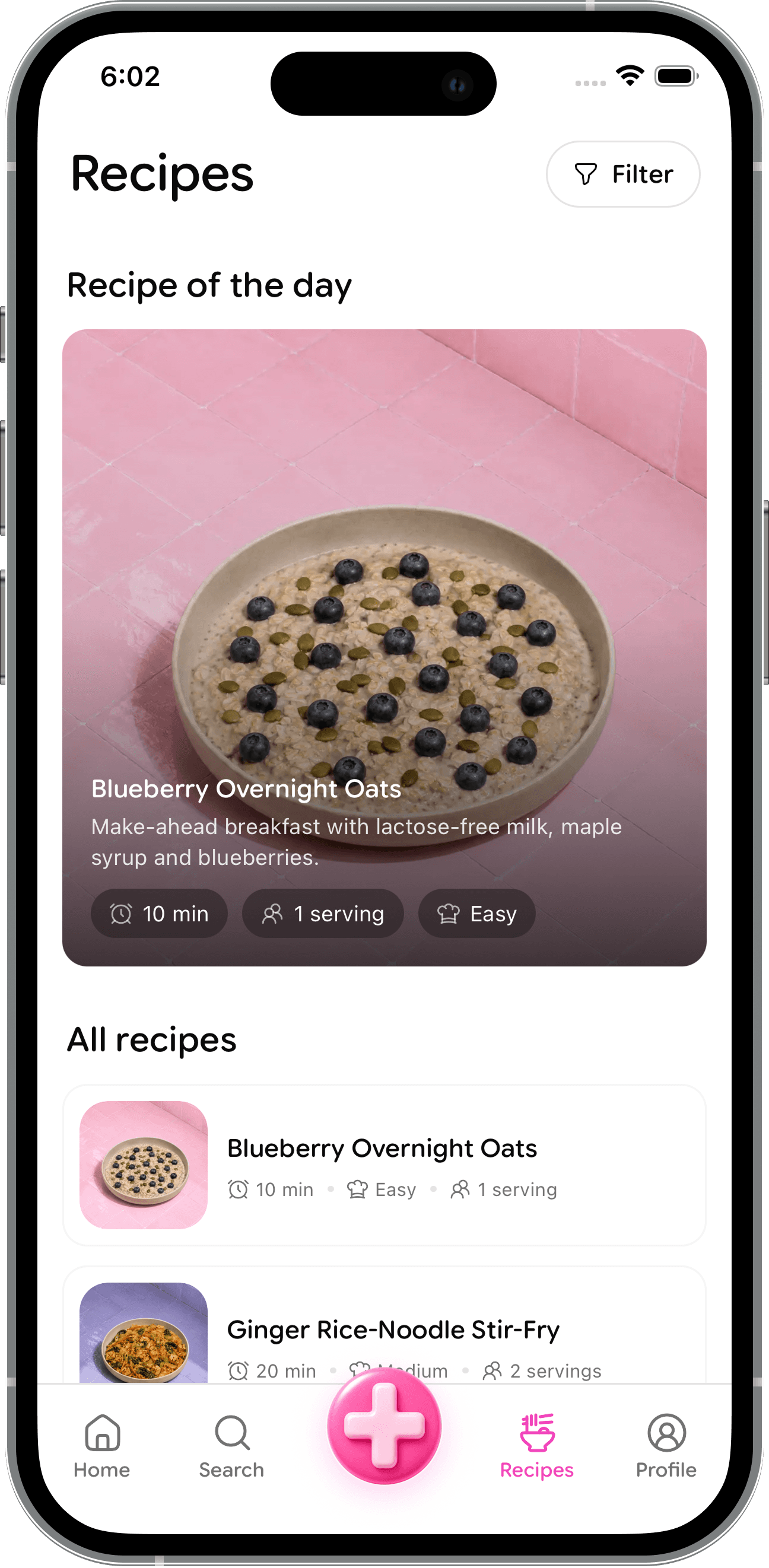
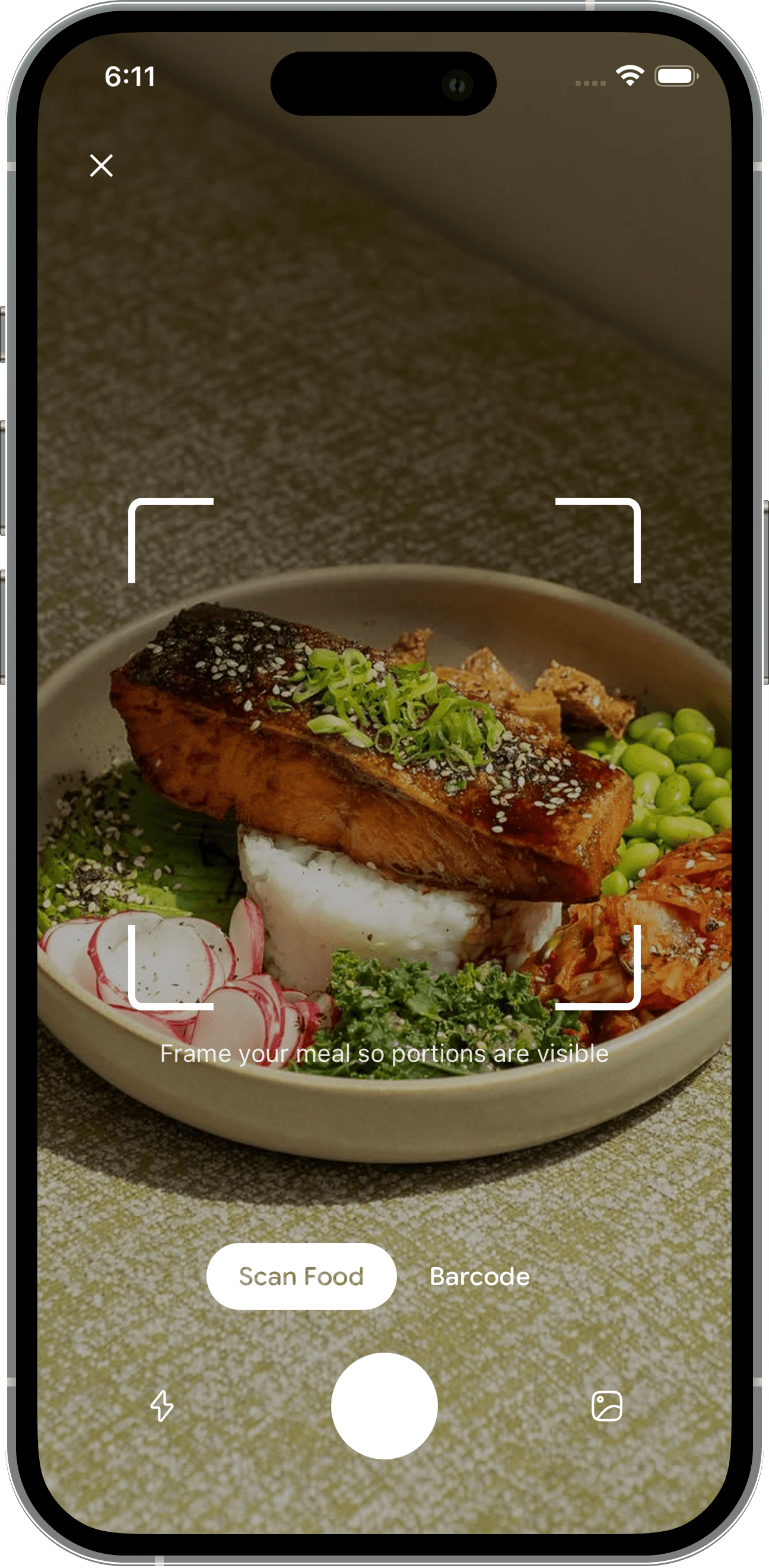
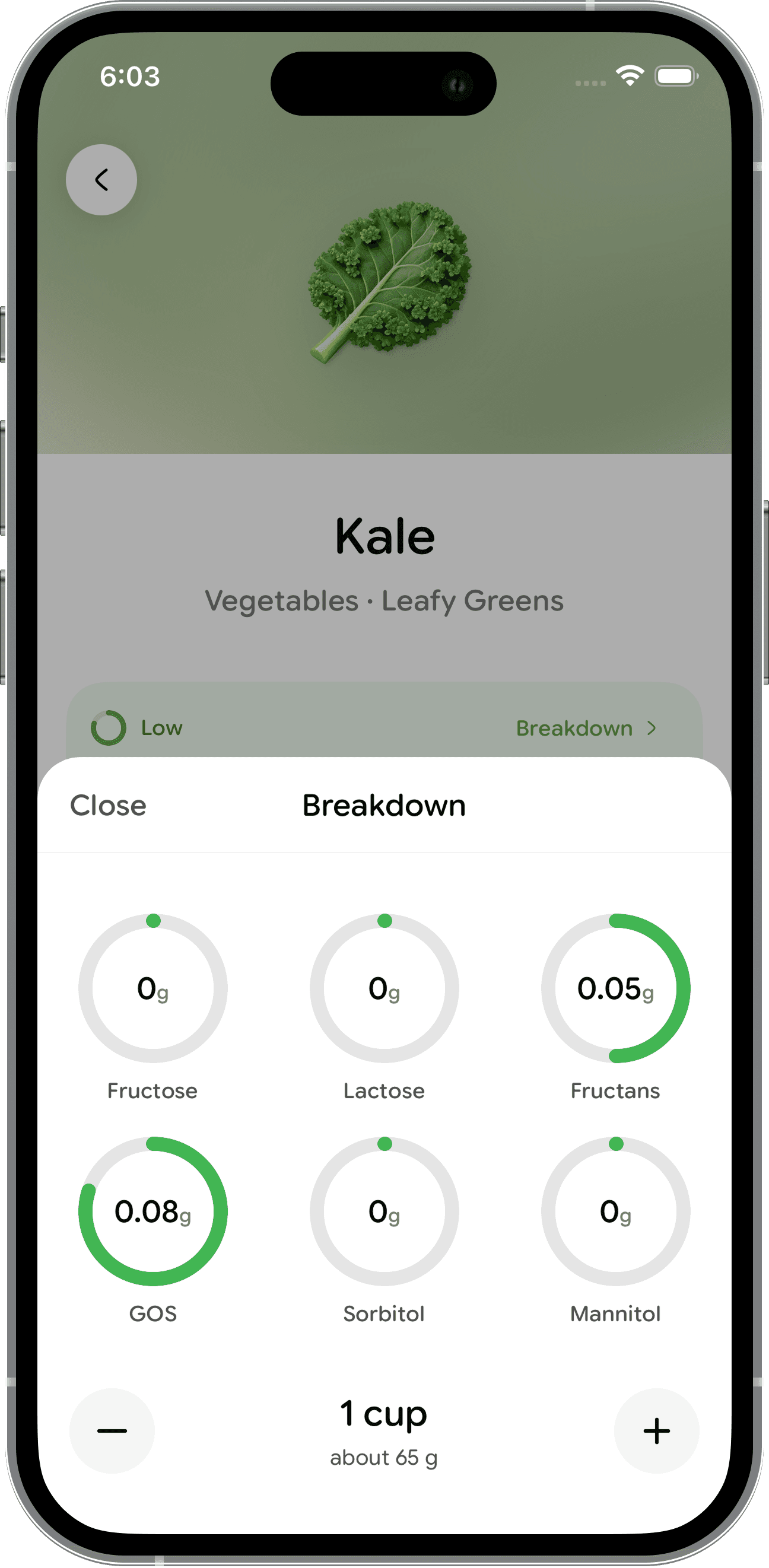
Check a whole plate in seconds.
Not sure about a whole meal? Scan it with the Gut Friendly app.
Get the appRelated foods


Sources and editorial notes
- Monash: Low FODMAP shopping list
General shopping context; not evidence for this exact variety or its full portion table.