


Chia Seeds
Nuts & Seeds · Seeds
Dried white and black chia seeds both have a 30 g low FODMAP reference and a 37 g moderate reference. The high reference is 42 g for white chia and 44 g for black chia. Weigh the dry seeds before soaking.
Serving sizes for chia seeds
Dried chia: 30 g low and 37 g moderate for both varieties; 42 g high for white, 44 g high for black. The high table row describes white chia.

Reference portions
Select an amount or rating to update your portion. These are reference portions, not exact cut-offs or recommended intakes.| Serving | Amount | FODMAP rating |
|---|---|---|
| 2 tablespoons, dried white or black chia | ||
| Dried white or black chia | ||
| 3 tablespoons, dried white chia |
Is chia seeds low FODMAP?
The table’s 42 g high row is labelled for white chia. Black chia has a separate 44 g high reference; neither number is a universal transition cutoff for every chia product. Compare flax seeds and pumpkin seeds using their own portions.
Chia Seeds and IBS: what to know
For chia pudding, record the dry seed weight in your share rather than the hydrated pudding weight. Individual IBS responses differ. Diet and IBS.
Gut-friendly ways to eat chia seeds
Weigh 30 g of dry chia for the low reference before adding liquid. For a shared pudding, divide the total dry seed weight by the number of portions and check almond milk or another liquid separately.
Frequently asked questions
Are black and white chia portions identical?
Both dried varieties have a 30 g low and 37 g moderate reference. The high reference is 42 g for white chia and 44 g for black chia.
Should I weigh chia before or after soaking?
Weigh the dry seeds. The 30 g low reference is not 30 g of finished pudding; added liquid changes the total dish weight.
Can I use the flax-seed portion for chia?
No. Flax seeds have a separate 14 g low reference, compared with 30 g for dried white or black chia.

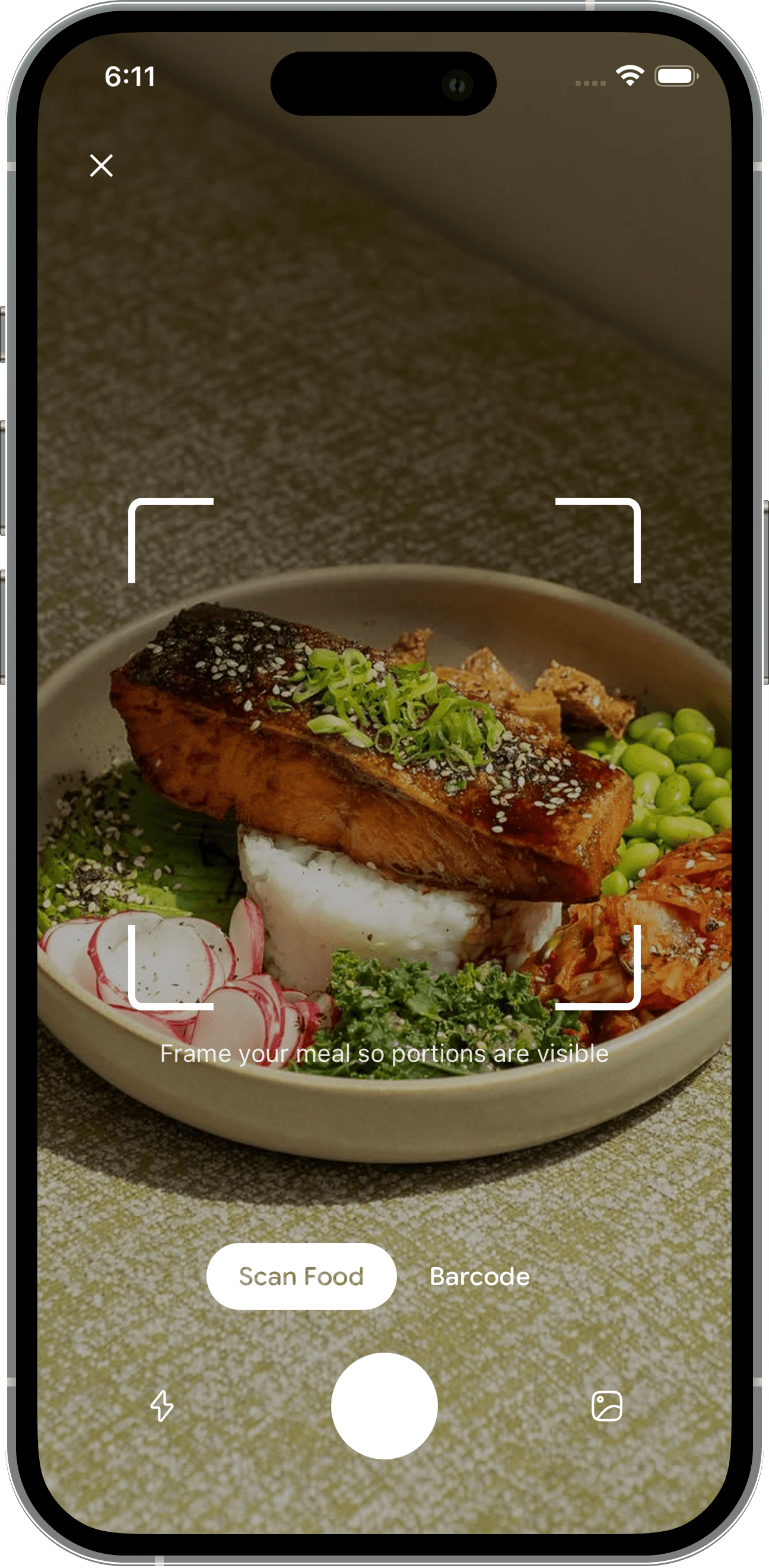
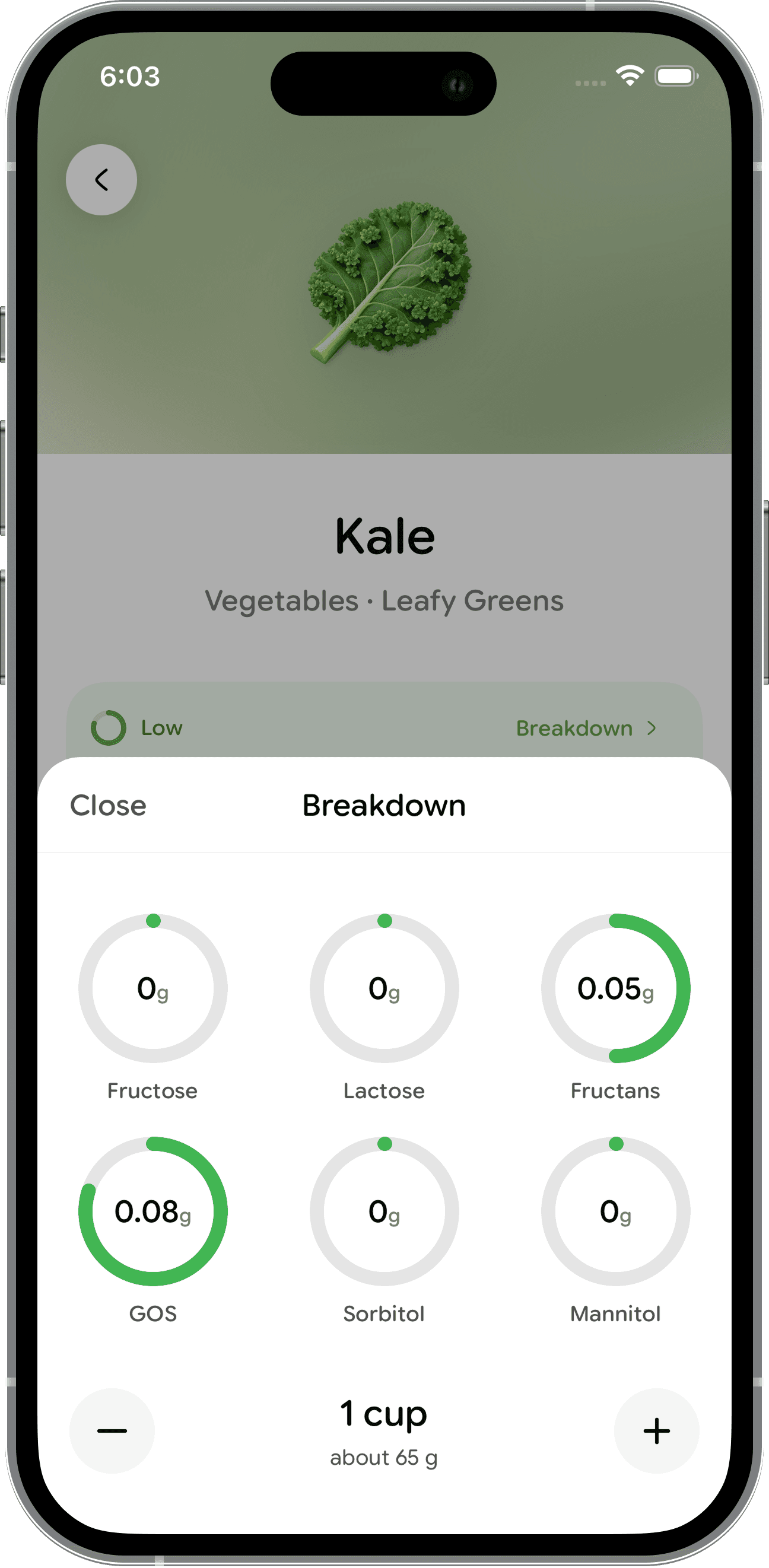
Check a whole plate in seconds.
Not sure about a whole meal? Scan it with the Gut Friendly app.
Get the appRelated foods


Sources and editorial notes
- NIDDK: Diet and IBS
Individual-response background; not portion evidence.