


Dinner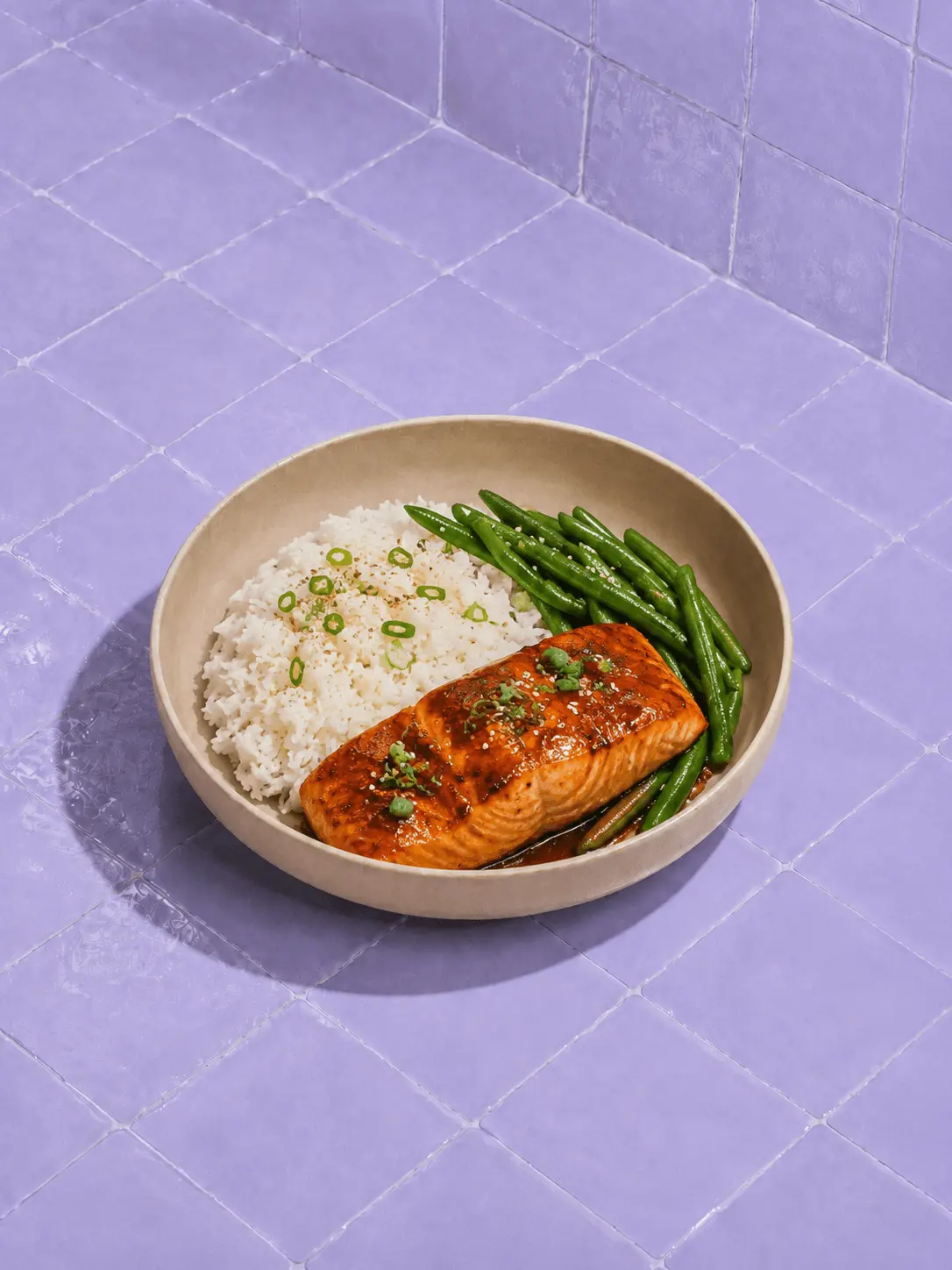

Maple Soy Glazed Salmon
25 minEasy
Herbs & Spices · Seeds
Sesame seeds have a low FODMAP reference of 30 g. The 52 g reference is moderate and 61 g is high.
Sesame seeds: 30 g low, 52 g moderate and 61 g high. Reference portions are not exact transition cutoffs.
| Serving | Amount | FODMAP rating |
|---|---|---|
| 3 tablespoons | ||
| 5.2 tablespoons | ||
| 6 tablespoons |
This is the seed guide. Tahini is a separate product with its own reference portions, so a spoon of seeds is not interchangeable with a spoon of paste.
For sesame seeds, record the amount you actually eat rather than only the name of the food. The 30 g reference describes this preparation, not a personal tolerance limit. Individual IBS responses differ. Diet and IBS.
Weigh sesame seeds before scattering them over a shared dish; 30 g is approximately three tablespoons. Compare tahini using its own serving guide.
The low reference is 30 g, approximately 3 tablespoons. The moderate reference is 52 g and the high reference is 61 g.
This guide describes sesame seeds. Use the separate guide for tahini rather than transferring this portion.
Measure the total amount of sesame seeds before combining it with the other ingredients, then divide by the number of equal portions. Keep the 30 g low reference in mind for each portion.
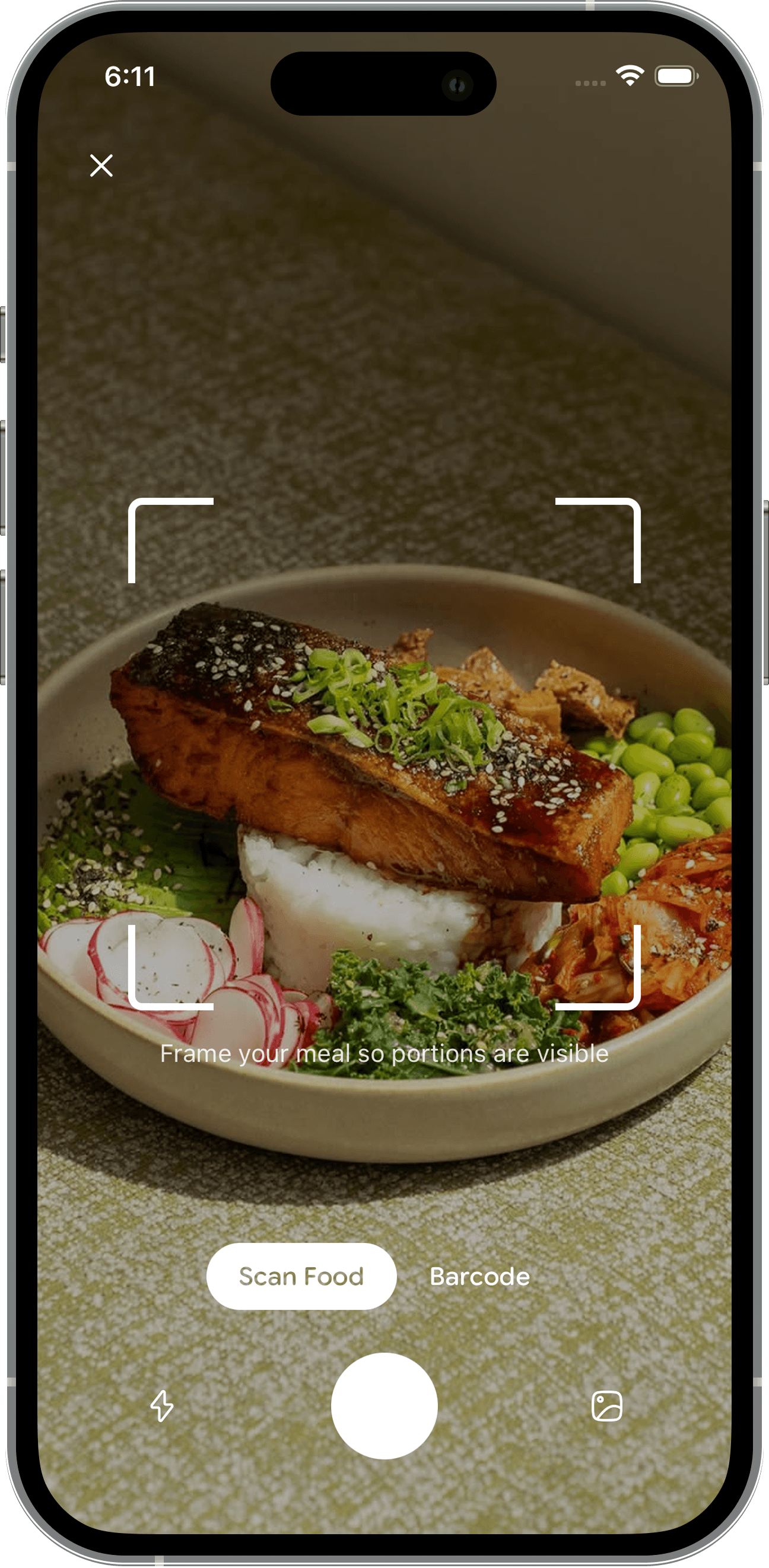
Not sure about a whole meal? Scan it with the Gut Friendly app.
Get the appIndividual-response background; not portion evidence.