


Sunflower Seeds
Nuts & Seeds · Seeds
Hulled sunflower seeds have a low FODMAP reference of 15 g. The 17 g reference is moderate and 30 g is high.
Serving sizes for sunflower seeds
Hulled sunflower seeds: 15 g low, 17 g moderate and 30 g high. Reference portions are not exact transition cutoffs.

Reference portions
Select an amount or rating to update your portion. These are reference portions, not exact cut-offs or recommended intakes.| Serving | Amount | FODMAP rating |
|---|---|---|
| 1 tablespoon | ||
| 1.13 tablespoons | ||
| 2 tablespoons |
Is sunflower seeds low FODMAP?
A two-tablespoon 30 g portion is high, whereas the 15 g reference is low. Do not reuse the 30 g low reference from pumpkin seeds.
Sunflower Seeds and IBS: what to know
For hulled sunflower seeds, record the amount you actually eat rather than only the name of the food. The 15 g reference describes this preparation, not a personal tolerance limit. Individual IBS responses differ. Diet and IBS.
Gut-friendly ways to eat sunflower seeds
Use the edible hulled weight; 15 g is approximately one tablespoon. Compare pumpkin seeds using its own serving guide.
Frequently asked questions
What is the low FODMAP portion for sunflower seeds?
The low reference is 15 g, approximately 1 tablespoon. The moderate reference is 17 g and the high reference is 30 g.
Can I use the same portion for a different preparation?
This guide describes hulled sunflower seeds. Use the separate guide for pumpkin seeds rather than transferring this portion.
How should I measure a shared recipe?
Measure the total amount of hulled sunflower seeds before combining it with the other ingredients, then divide by the number of equal portions. Keep the 15 g low reference in mind for each portion.

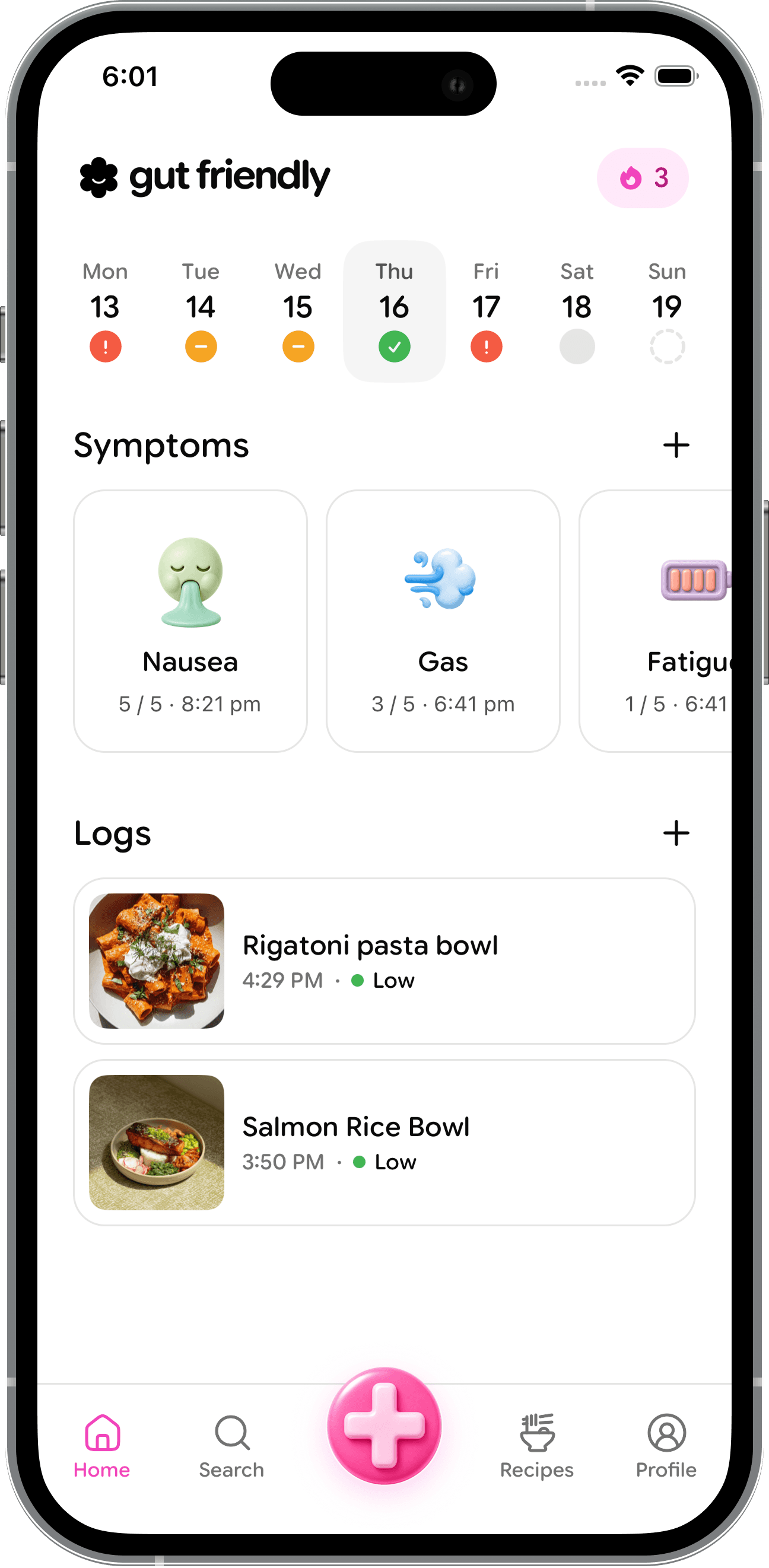
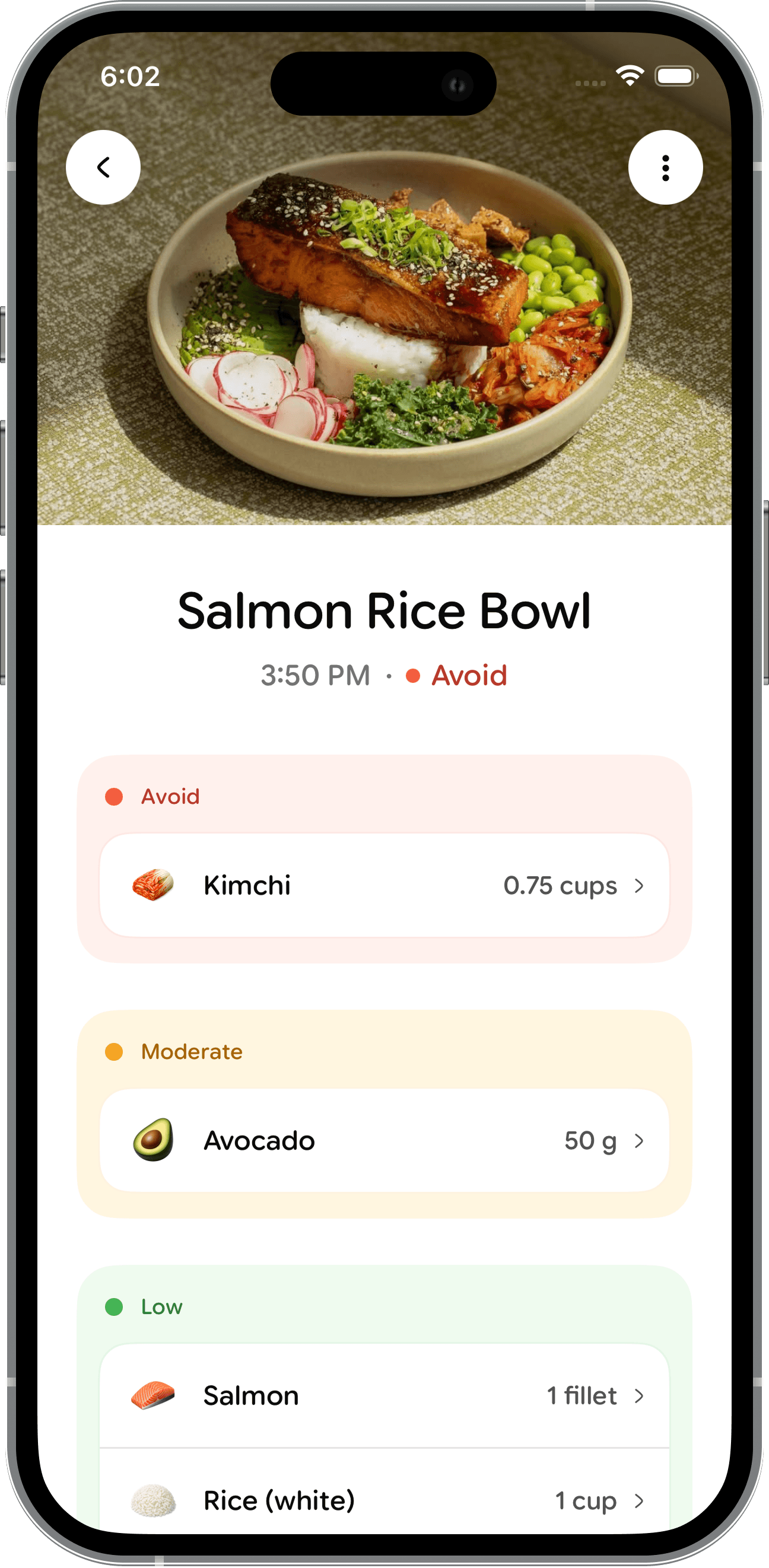
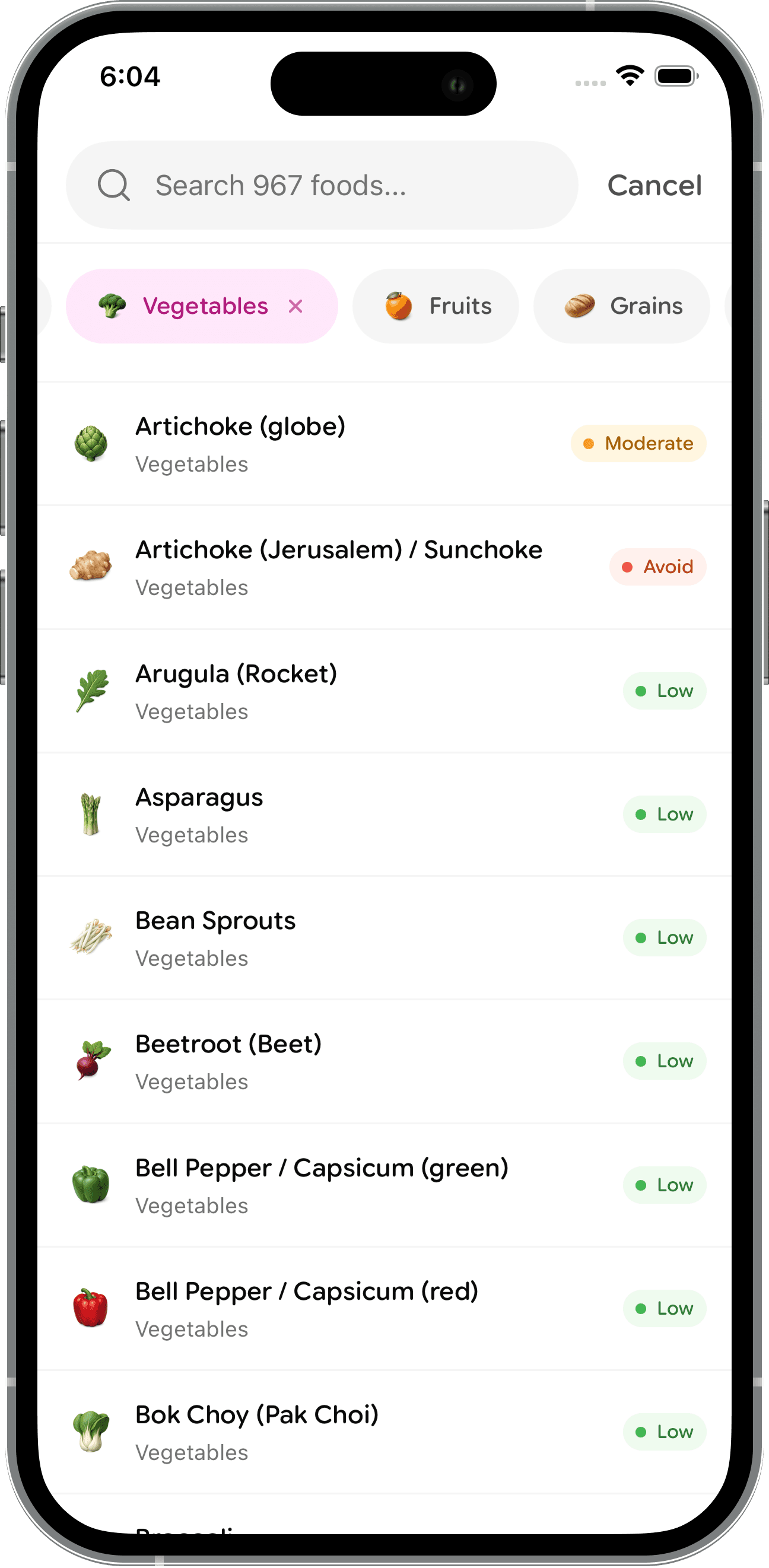
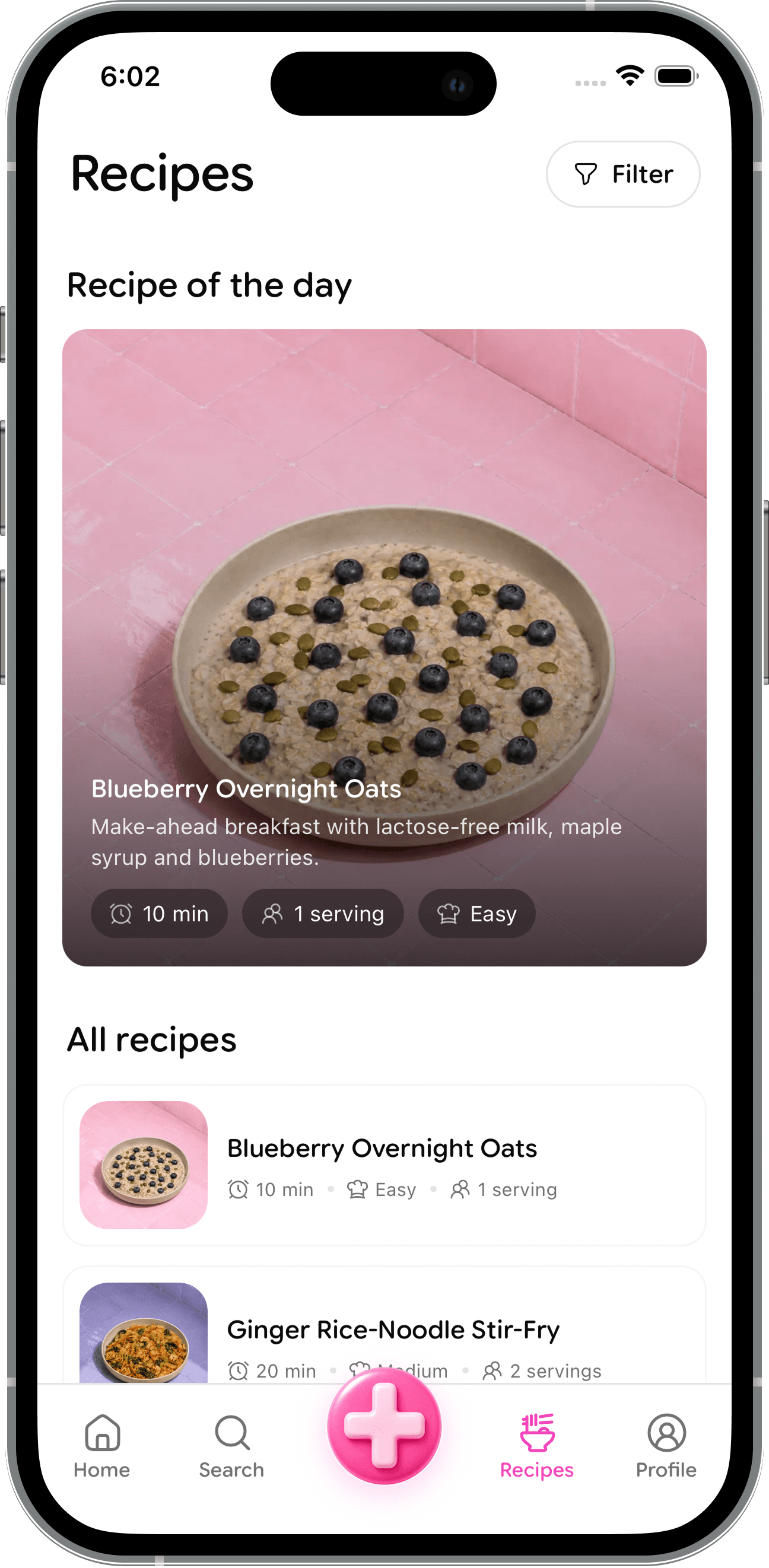
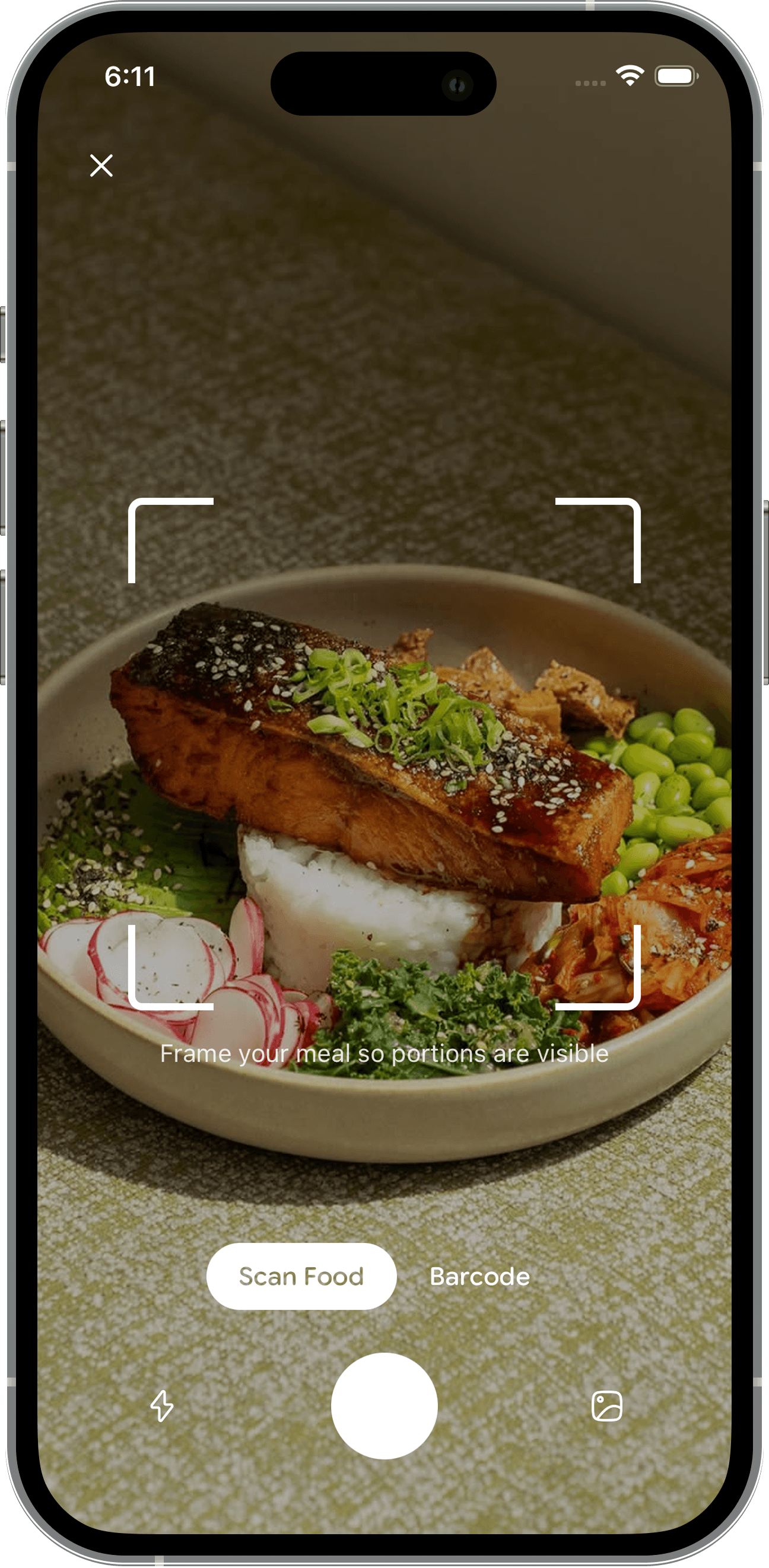
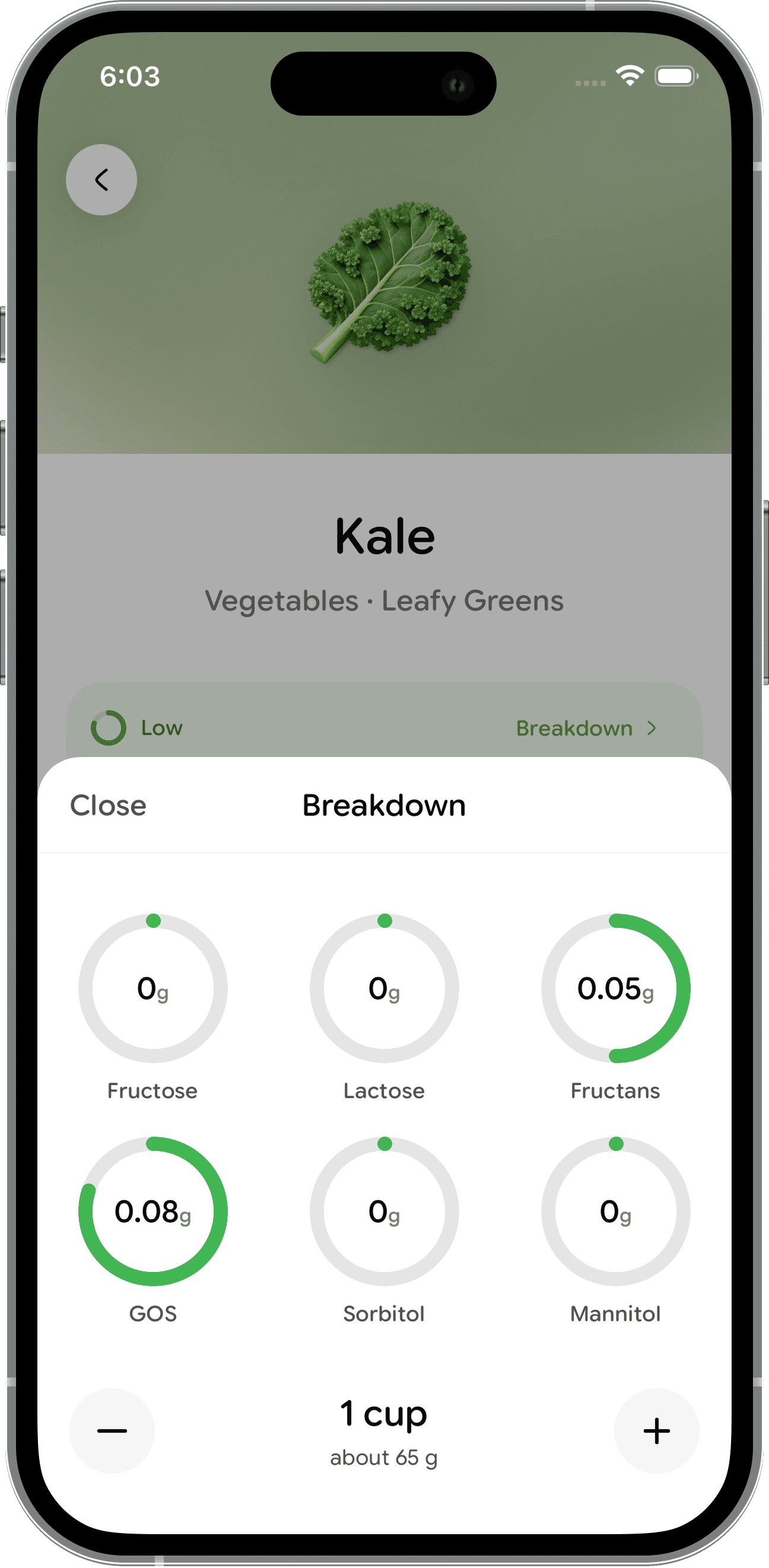
Check a whole plate in seconds.
Not sure about a whole meal? Scan it with the Gut Friendly app.
Get the appRelated foods

Sources and editorial notes
- NIDDK: Diet and IBS
Individual-response background; not portion evidence.