
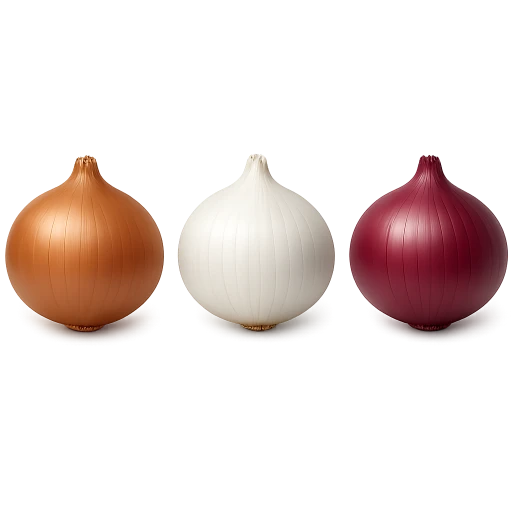
Onion (brown/white/red)
Vegetables · Alliums
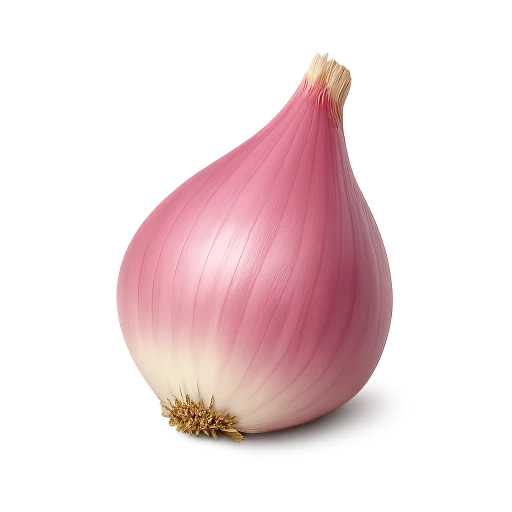
No. Onion is high FODMAP even in tiny amounts: one tablespoon of chopped onion (10 g) is already rated red, carrying 0.4 g of fructans. That applies to brown, white and red onion alike. The flavour is replaceable, though — green spring onion tops, chives and onion-infused oil all deliver allium taste without the fructans.
Last updated 3 September 2026Serving sizes for onion (brown/white/red)
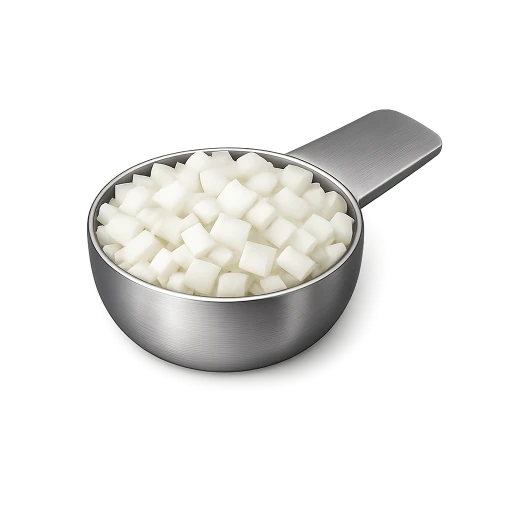
The tested serve is one tablespoon of chopped onion, about 10 g, and it’s rated red.
Tested serving sizes
| Serving | Amount | Main FODMAP | Rating |
|---|---|---|---|
| 1 tablespoon chopped | 10 g | Fructans 0.4 g |
Breakdown for 1 tablespoon
Is onion (brown/white/red) low FODMAP?
Onion is one of the most concentrated everyday sources of fructans. At the tested serve of one tablespoon chopped (10 g), it carries 0.4 g of fructans, above the 0.3 g threshold for a high rating, plus 0.1 g of GOS. Fructans aren’t broken down in the small intestine; they travel to the bowel and ferment, which is why onion is such a frequent IBS trigger. The data shows no smaller green serve, so during a strict elimination phase onion is usually left out entirely rather than portioned down.
Onion (brown/white/red) and IBS: what to know
Onion hides in more food than most people expect: commercial stocks, spice mixes, marinades and ready-made sauces frequently rely on it, so accidental exposure is common during elimination. Cooking doesn’t help, because fructans are heat-stable; caramelised or slow-roasted onion carries the same load as raw. Fructans are water-soluble, though, so onion simmered in a soup or stew leaves them behind in the liquid even if you lift the pieces out. If onion is a suspected trigger, reading ingredient lists matters as much as what you cook.
Gut-friendly ways to eat onion (brown/white/red)
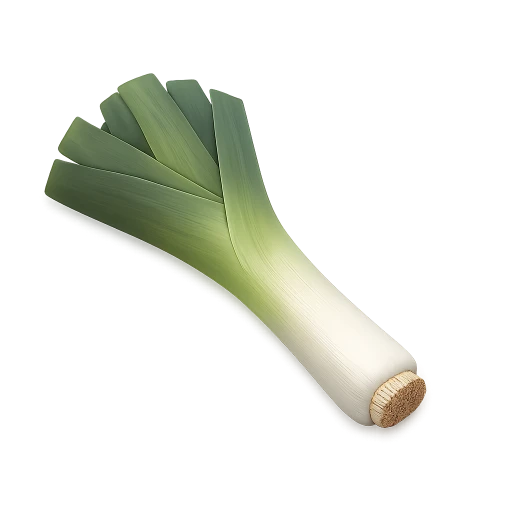
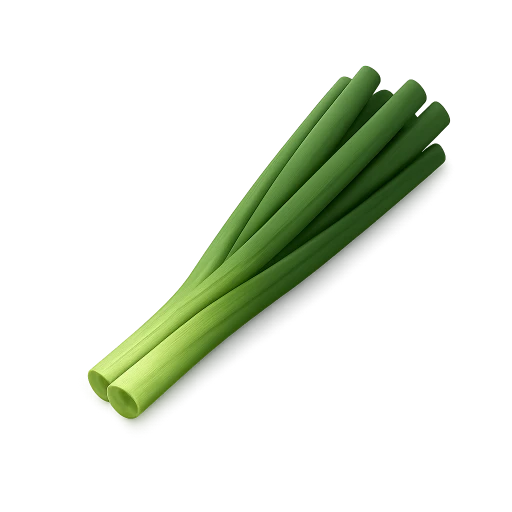
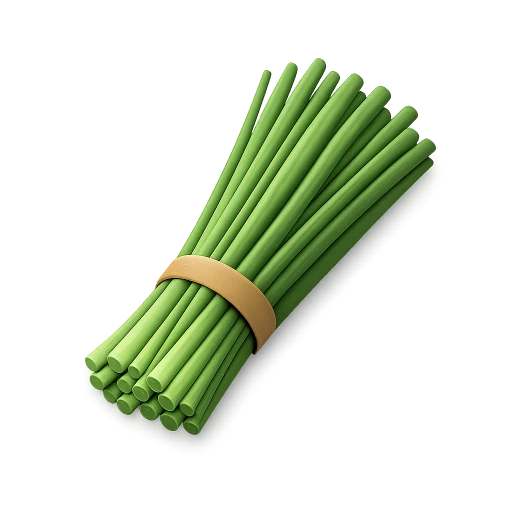
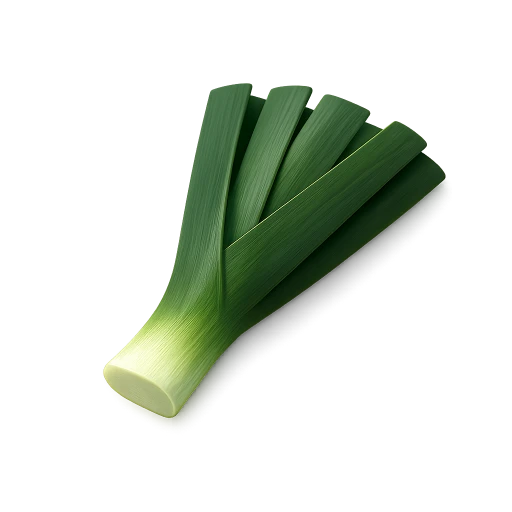
Swap, don’t portion. The green tops of spring onions and chives give fresh allium bite, the dark green leaves of leek melt sweetly into soups and stews, and a small pinch of asafoetida fried briefly in oil stands in for cooked onion depth. Onion-infused oil works too: fructans dissolve in water, not oil, so a well-strained infused oil carries the flavour safely. With spring onions and leeks, stick to the green parts only, because the white bulbs test like regular onion.
Frequently asked questions
Can I eat onion with IBS?
During the elimination phase, no serve of onion in the data is rated green: the tested tablespoon (10 g) is already red with 0.4 g of fructans. Many people do reintroduce onion later and find a personal threshold, but that’s something to test deliberately, ideally with a dietitian’s guidance, rather than guess at mid-elimination.
Is cooked onion low FODMAP?
No. Fructans are heat-stable, so frying, roasting or caramelising onion doesn’t lower its FODMAP content. Because fructans are water-soluble, they also leach into cooking liquid: a stew simmered with onion isn’t made safe by removing the pieces before serving. Flavour-wise, a well-strained onion-infused oil is the reliable cooked-onion stand-in.
What can I use instead of onion?
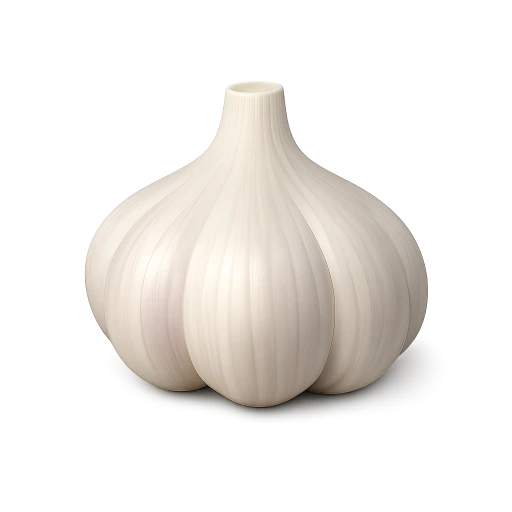
The green tops of spring onions and chives cover raw and garnish roles, leek greens and asafoetida cover the savoury cooked base, and onion-infused oil carries the aroma. Garlic isn’t a swap (one small clove is also rated red), but garlic-infused oil pairs well with the same alternatives.
Is red onion lower FODMAP than brown or white onion?
No. Brown, white and red onion are treated together in the guide, and the tested 10 g serve is rated red for all of them. Colour changes the flavour, not the fructan picture. If a recipe calls for raw red onion in a salad, thinly sliced green spring onion tops are the closest low FODMAP substitute.
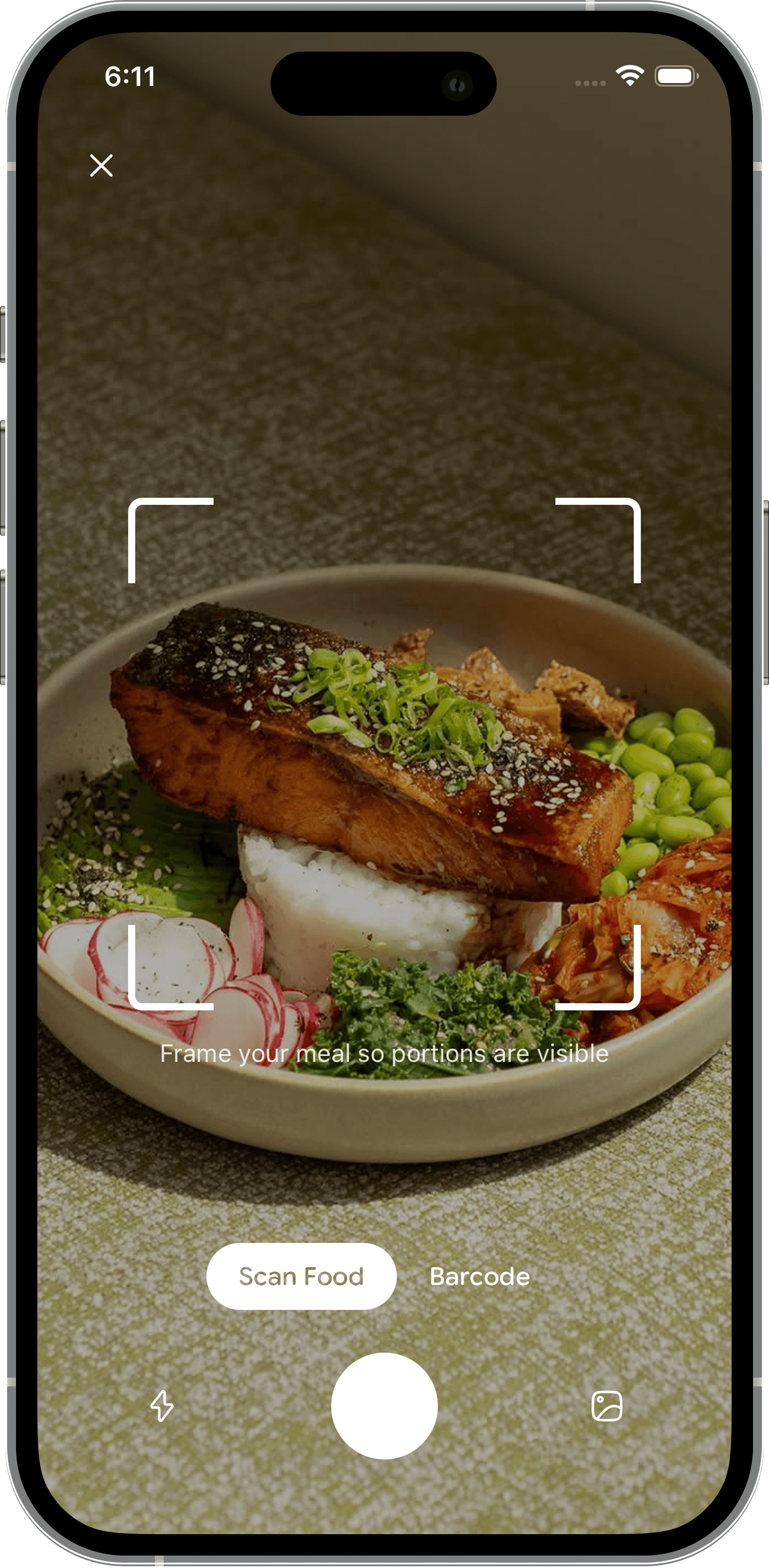
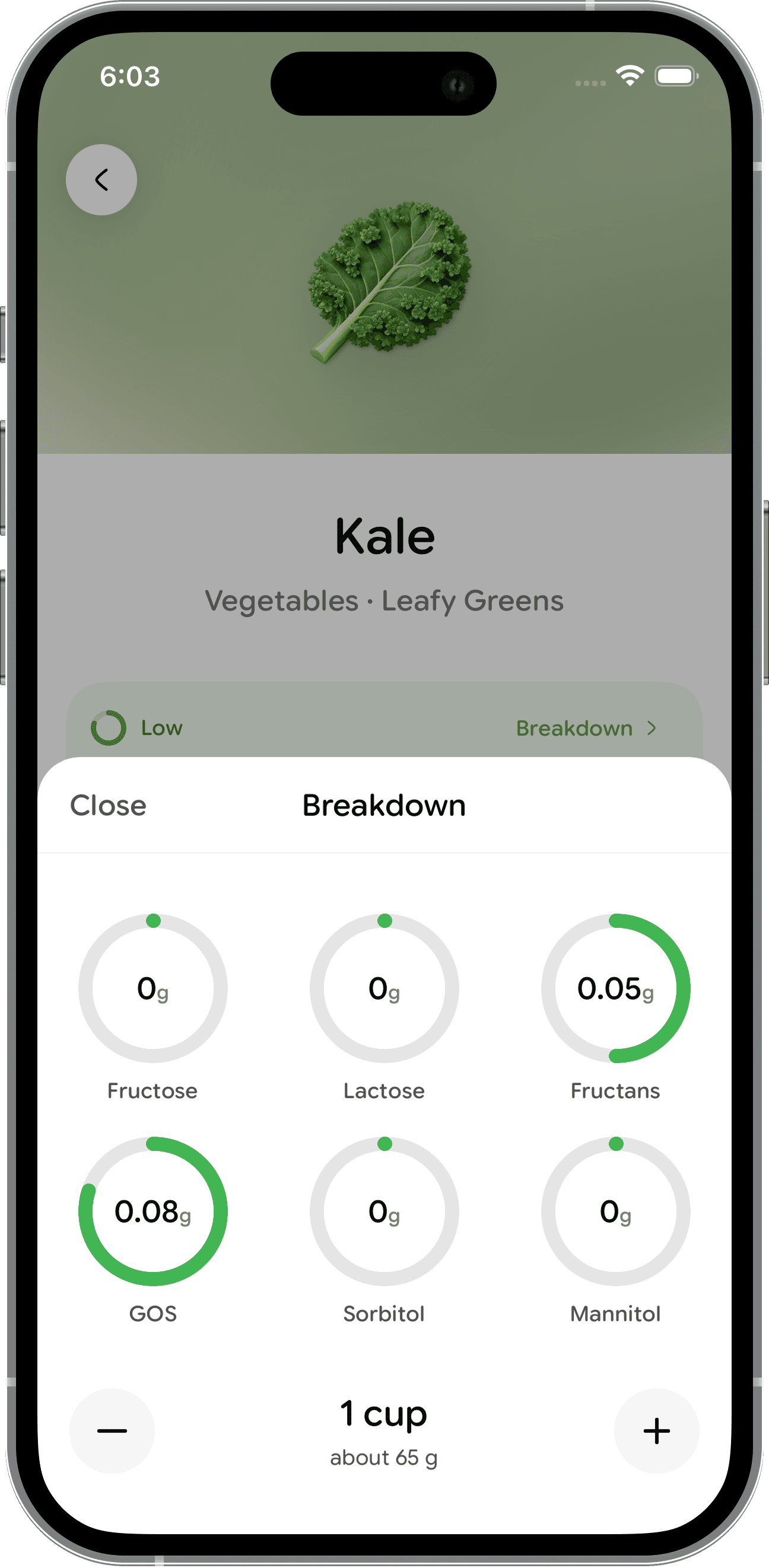
Check a whole plate in seconds.
Not sure about a whole meal? Scan it with the Gut Friendly app.
Get the app