
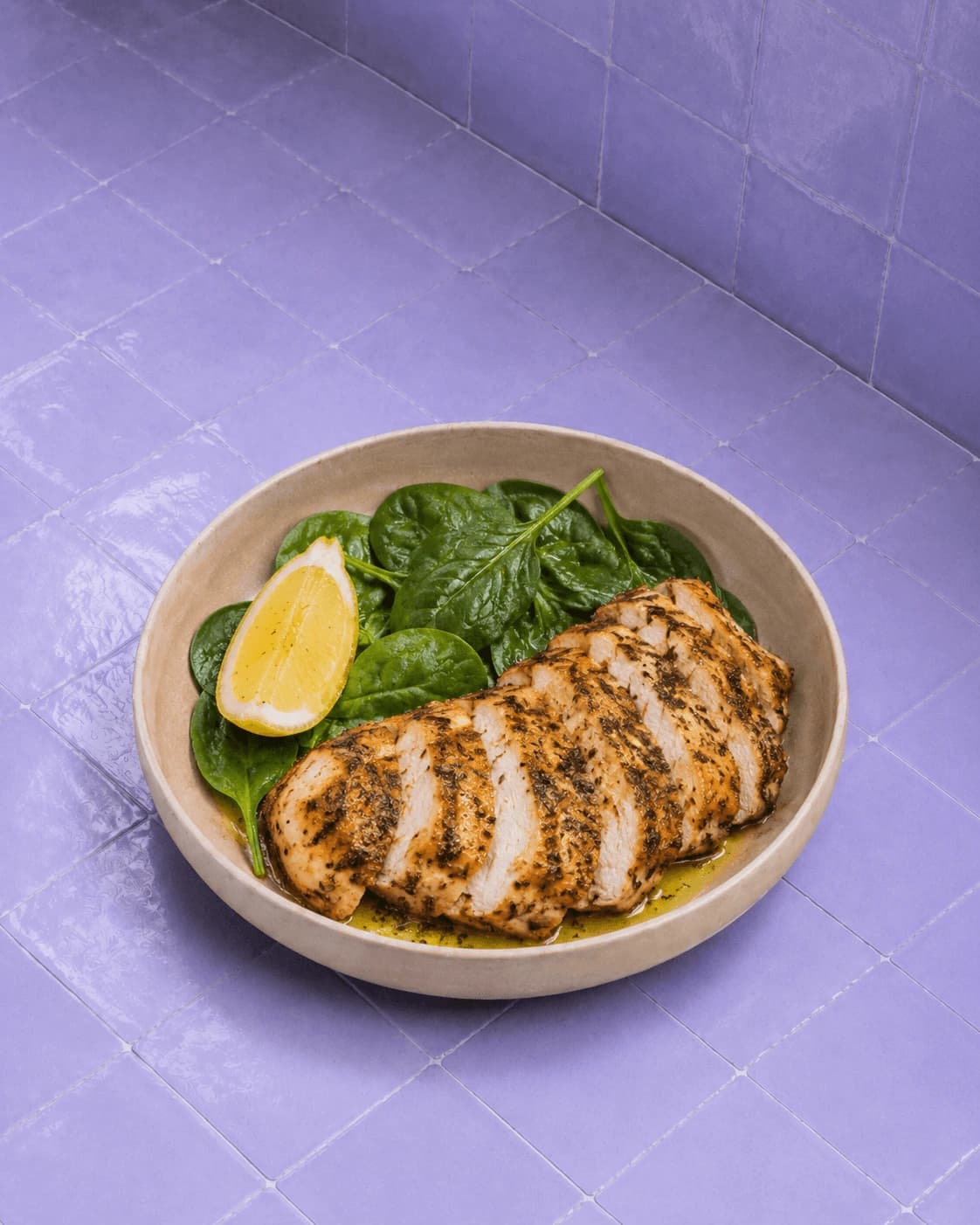
Spinach

TLDRLast updated 3 September 2026

Spinach is one of the few greens where the tested serve is a genuinely large plate of food. The green serve is 75 g, and that much raw spinach is two and a half cups of leaves; cook it and the same weight collapses to half a cup. Behind it sits 0.02 g of fructans and nothing at all from the other five FODMAP groups.

Last updated 3 September 2026

Serving sizes for spinach

The tested serve is 75 g, which is 2.5 cups raw or ½ cup cooked, rated green.

Low
2.5 cupsabout 75 g

Tested serving sizes

Tested serving sizes for Spinach and their Gut Friendly rating
ServingAmountMain FODMAPRating
2.5 cups raw / 1/2 cup cooked75 gFructans 0.02 gLow

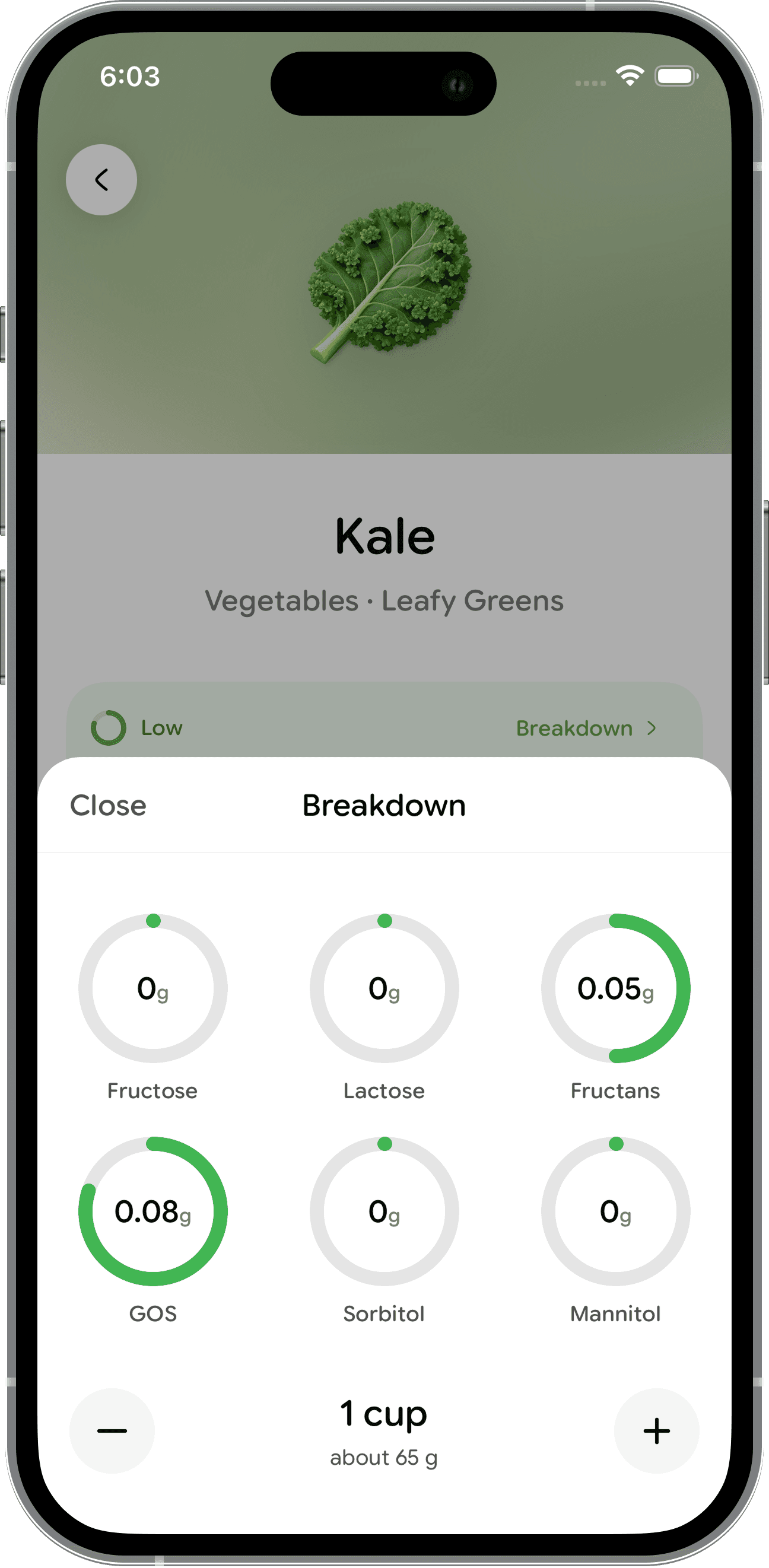
Breakdown for 2.5 cups

0gFructose
0gLactose
0.02gFructans
0gGOS
0gSorbitol
0gMannitol
2.5 cupsabout 75 g

Is spinach low FODMAP?

There is almost nothing here to react to. The tested serve holds 0.02 g of fructans, a fifth of the 0.1 g level at which fructans start to register, and zero excess fructose, lactose, GOS, sorbitol and mannitol. Spinach is mostly water and insoluble fibre, and what little sugar it holds is not the fermentable kind. Only one serve has been tested rather than a range, so 75 g is the amount these numbers vouch for; larger plates are uncharted rather than known to be a problem.

Spinach and IBS: what to know

The volume difference is the thing worth knowing. A cooked half cup looks modest and a raw bowl of the same weight looks enormous, so cooking is a way of fitting more spinach in, not a way of eating less of it. If a big raw salad sits heavily, that is usually the bulk of insoluble fibre rather than a FODMAP problem, and wilting the leaves for a minute in oil often settles it. When a spinach dish does cause symptoms, look at what it was cooked with: creamed spinach brings lactose from the cream, and most spinach sides start with garlic.

Gut-friendly ways to eat spinach

Spinach is the cheapest way to make a restricted plate look like a full meal. Wilt two handfuls into rice, pasta or scrambled eggs in the last minute of cooking, stir it through a soup off the heat, or pile raw baby leaves under cucumber and green beans for a salad with some actual bulk to it. In a smoothie the leaves vanish and the fruit sets the limit. Dress it with lemon, olive oil and parmesan rather than a garlic vinaigrette.

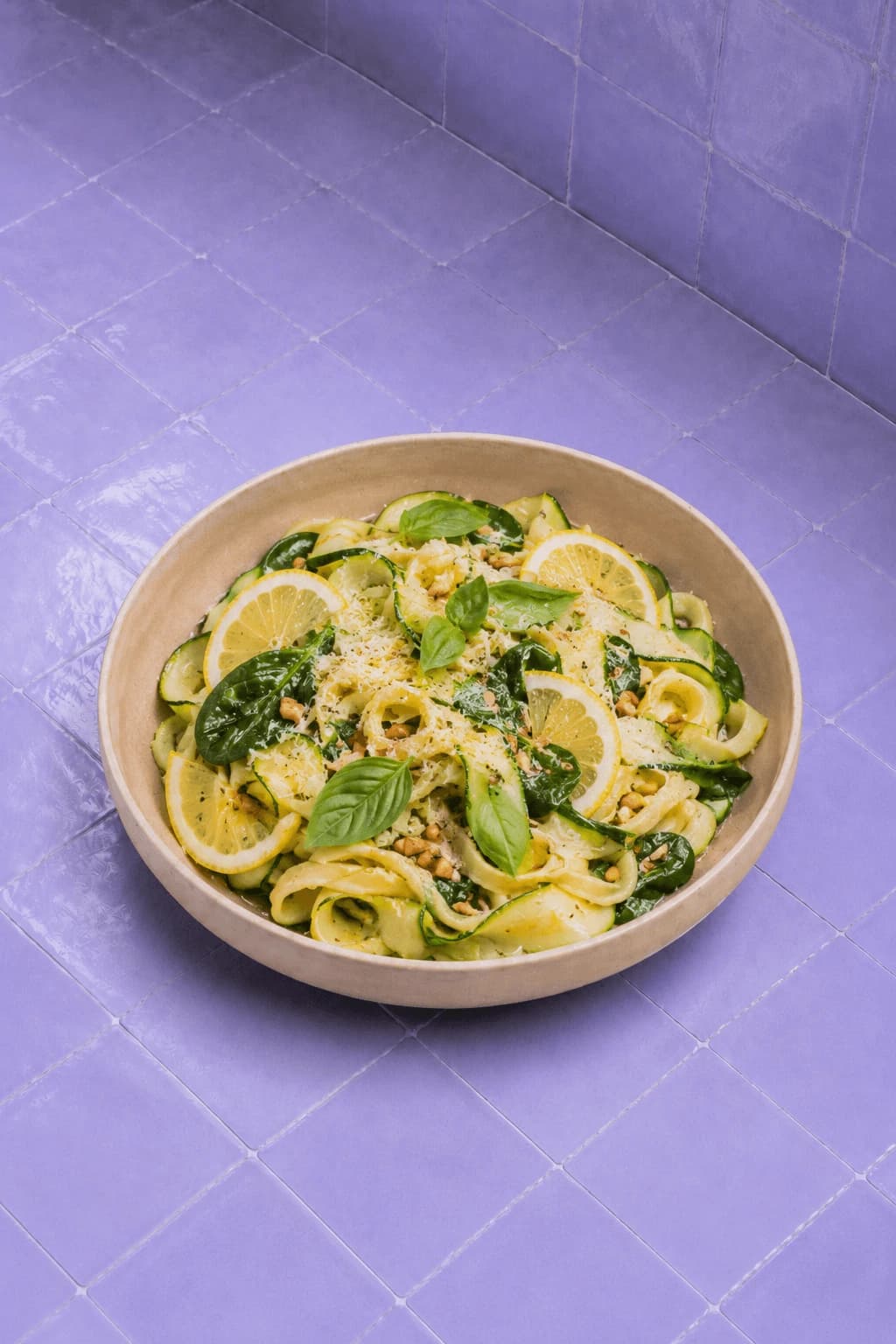
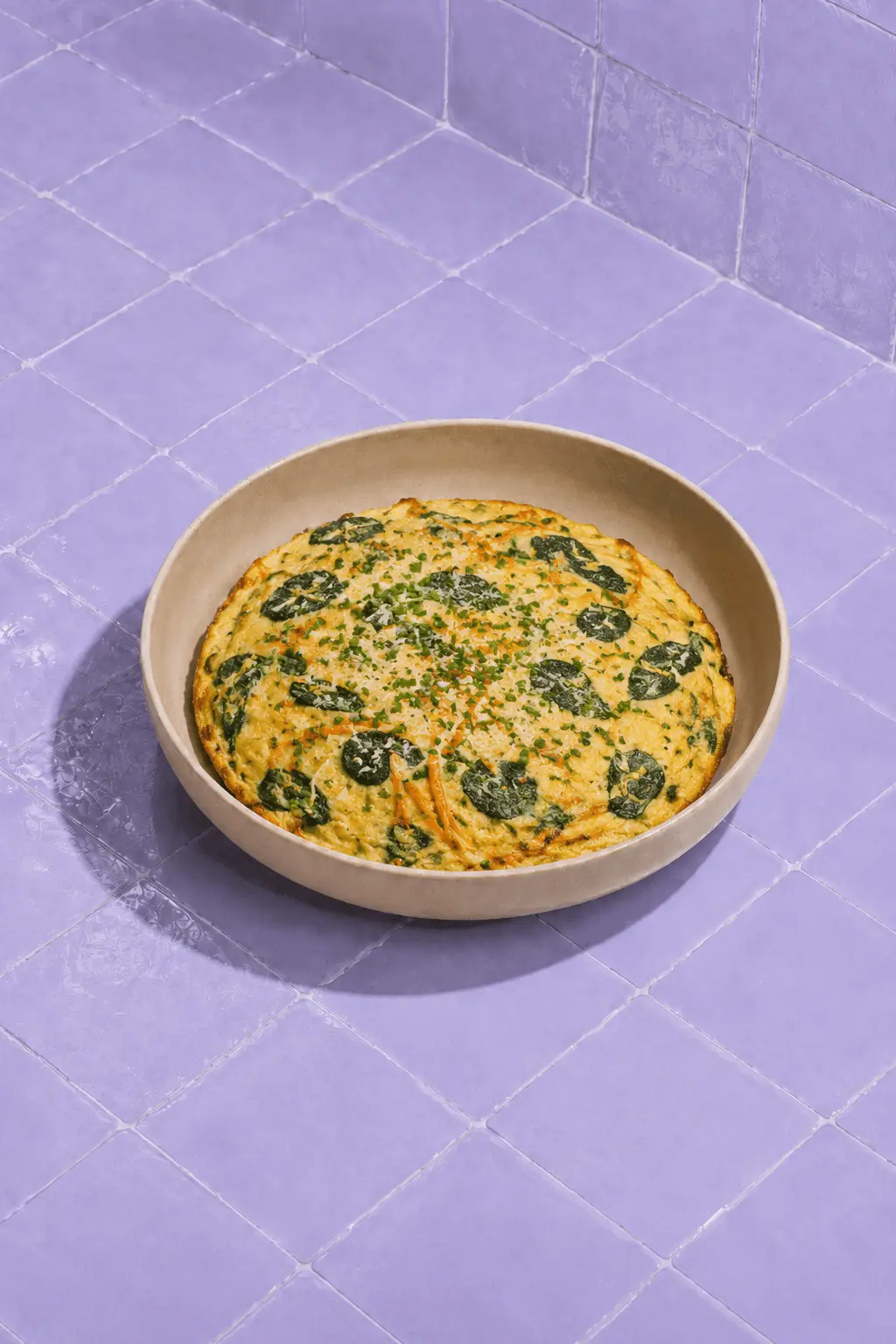
Recipes with spinach

Frequently asked questions

Can I eat spinach every day with IBS?

Nothing in the data argues against it: the tested 75 g serve is rated green with only a trace of fructans. Spinach is a good staple during elimination for exactly that reason, when the list of vegetables you can pile on freely is short. Only the one serve has been measured, so treat very large daily amounts as untested rather than approved.

Is baby spinach low FODMAP?

Yes. The figures here cover spinach as a food rather than a leaf size, and baby spinach is the same plant picked young. It behaves the same on the plate too, except that it wilts faster and needs no cooking, which makes it the easier form for salads and sandwiches. Mature leaves are worth stemming if the stalks feel tough.

Is cooked spinach low FODMAP?

Yes, at the same weight. The catch is that cooking shrinks spinach to roughly a fifth of its raw volume, so half a cup of cooked leaves weighs as much as a large raw bowl. A modest-looking side of cooked spinach is a full serve rather than a small one, which is worth knowing if you are stacking it alongside other vegetables.

Can I put spinach in a green smoothie?

Yes, and the spinach is rarely the risk. A couple of handfuls disappear into a blender well inside the green serve, while the fruit you blend with them decides whether the drink stays low FODMAP. Mango, apple and pear are the usual culprits. Build the smoothie on green-rated fruit and let the kale or spinach supply the colour.

Check a whole plate in seconds.

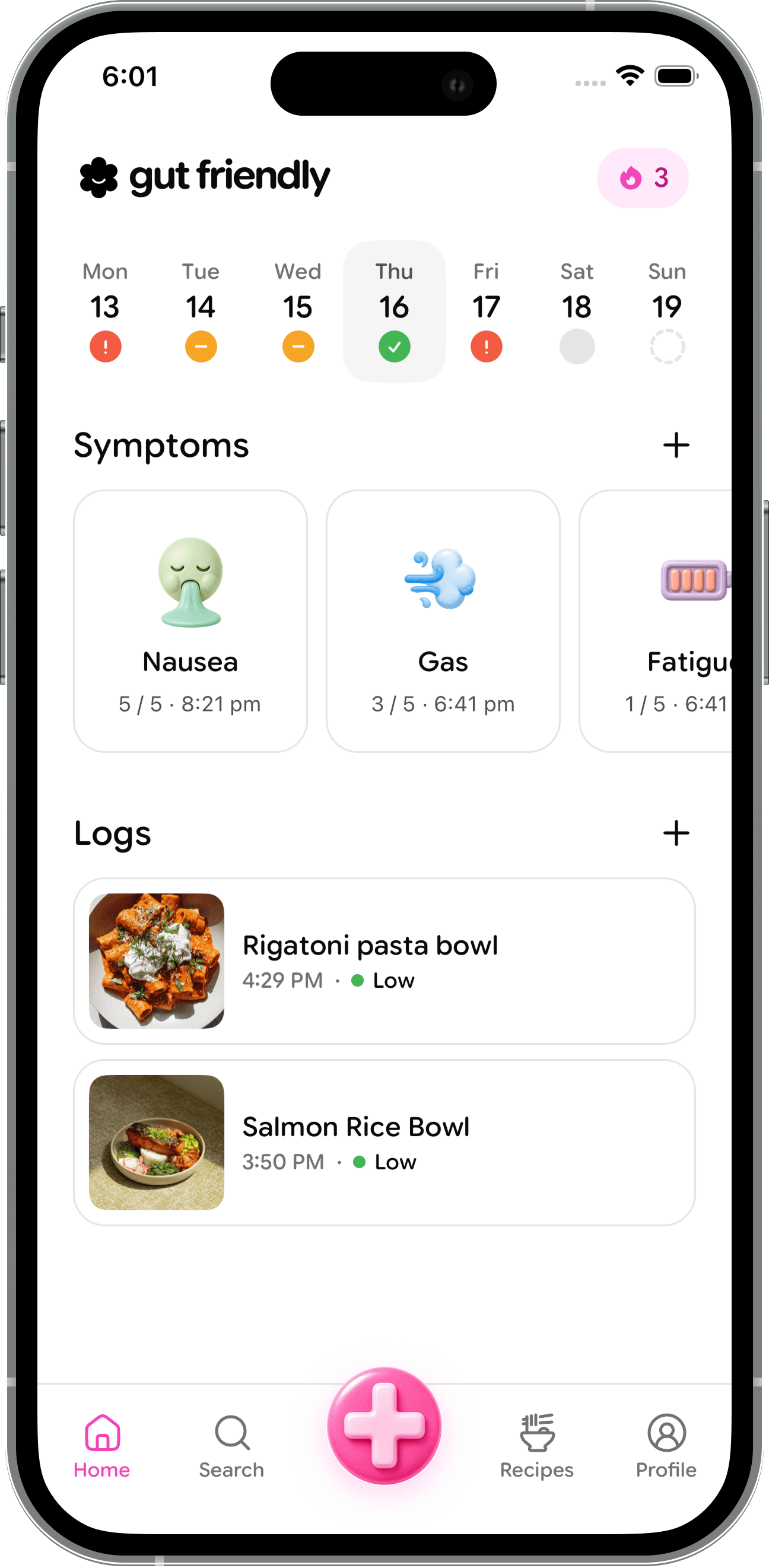
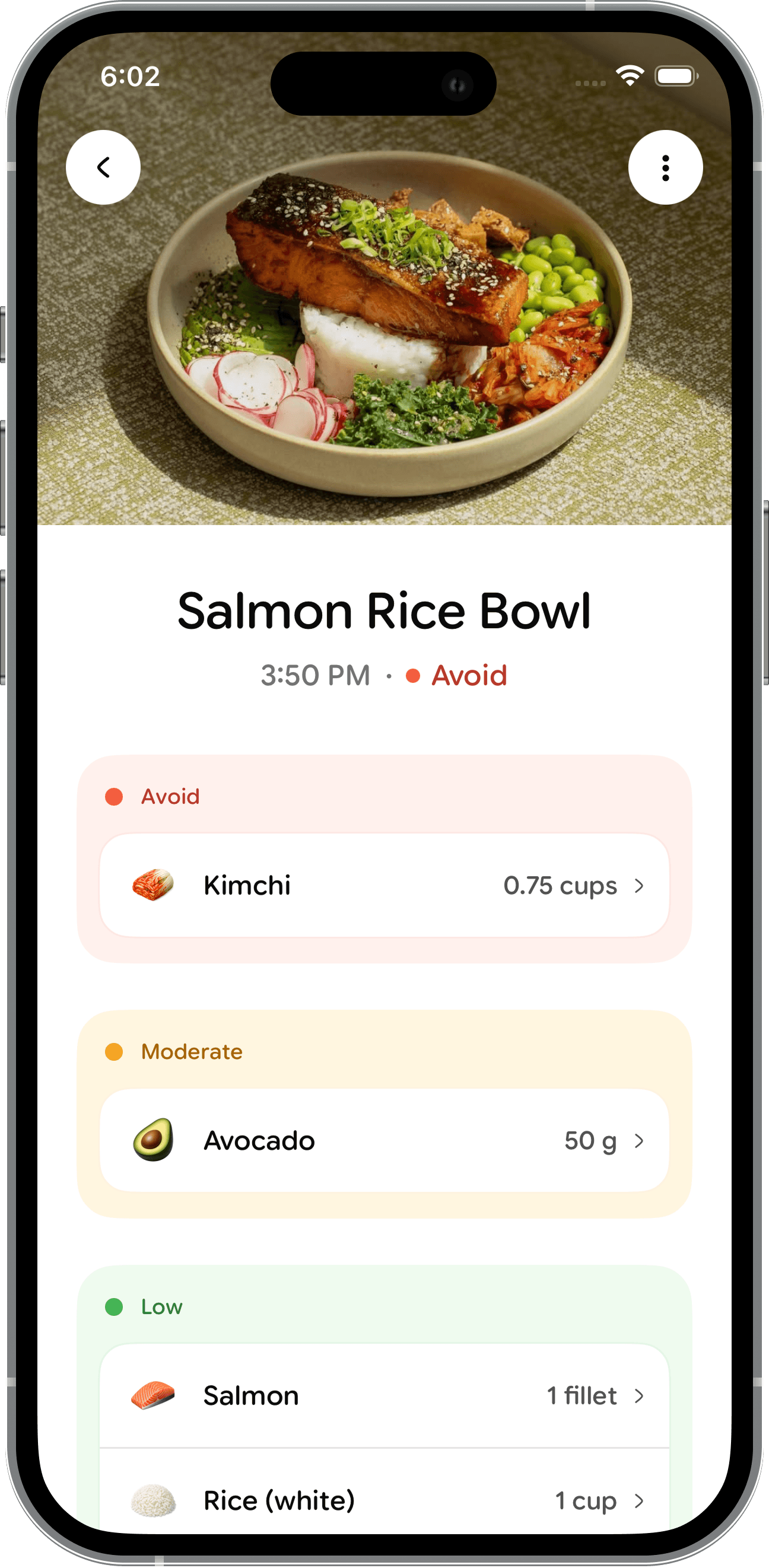
Not sure about a whole meal? Scan it with the Gut Friendly app.

Get the app
Ratings based on published FODMAP research. Gut Friendly provides general information, not medical advice.