


Coconut (fresh)
Fruits · Tropical
Mature coconut flesh, raw: the recorded FODMAP references are 81 g low, 96 g moderate, 123 g high.
Serving sizes for coconut (fresh)
Mature coconut flesh, raw: 81 g low, 96 g moderate, 123 g high. Use the stated preparation and unit; intermediate amounts are not separately verified.

Reference portions
Select an amount or rating to update your portion. These are reference portions, not exact cut-offs or recommended intakes.| Serving | Amount | FODMAP rating |
|---|---|---|
| 0.81 cups | ||
| 0.96 cups | ||
| 1.23 cups |
Is coconut (fresh) low FODMAP?
These references apply to mature coconut flesh, raw. They describe individual reference portions, not exact transition cutoffs or a personal tolerance limit. Compare Coconut (desiccated/shredded), Coconut Flour. Each guide describes its own preparation; a related food is not automatically a like-for-like substitute.
Coconut (fresh) and IBS: what to know
Use the named preparation when comparing portions. Read the supporting background. General background reading; does not establish the numerical references on this page.
Gut-friendly ways to eat coconut (fresh)
Weigh the edible portion in the stated preparation, excluding stones, rind or shell. Match fresh versus frozen before using the table.
Frequently asked questions
What is the low FODMAP portion for coconut (fresh)?
The low reference is 81 g. The full references are 81 g low, 96 g moderate, 123 g high.
Can another preparation use these portions?
Compare Coconut (desiccated/shredded), Coconut Flour. Each guide describes its own preparation; a related food is not automatically a like-for-like substitute.
How should I measure this food?
Weigh the edible portion in the stated preparation, excluding stones, rind or shell. Match fresh versus frozen before using the table.

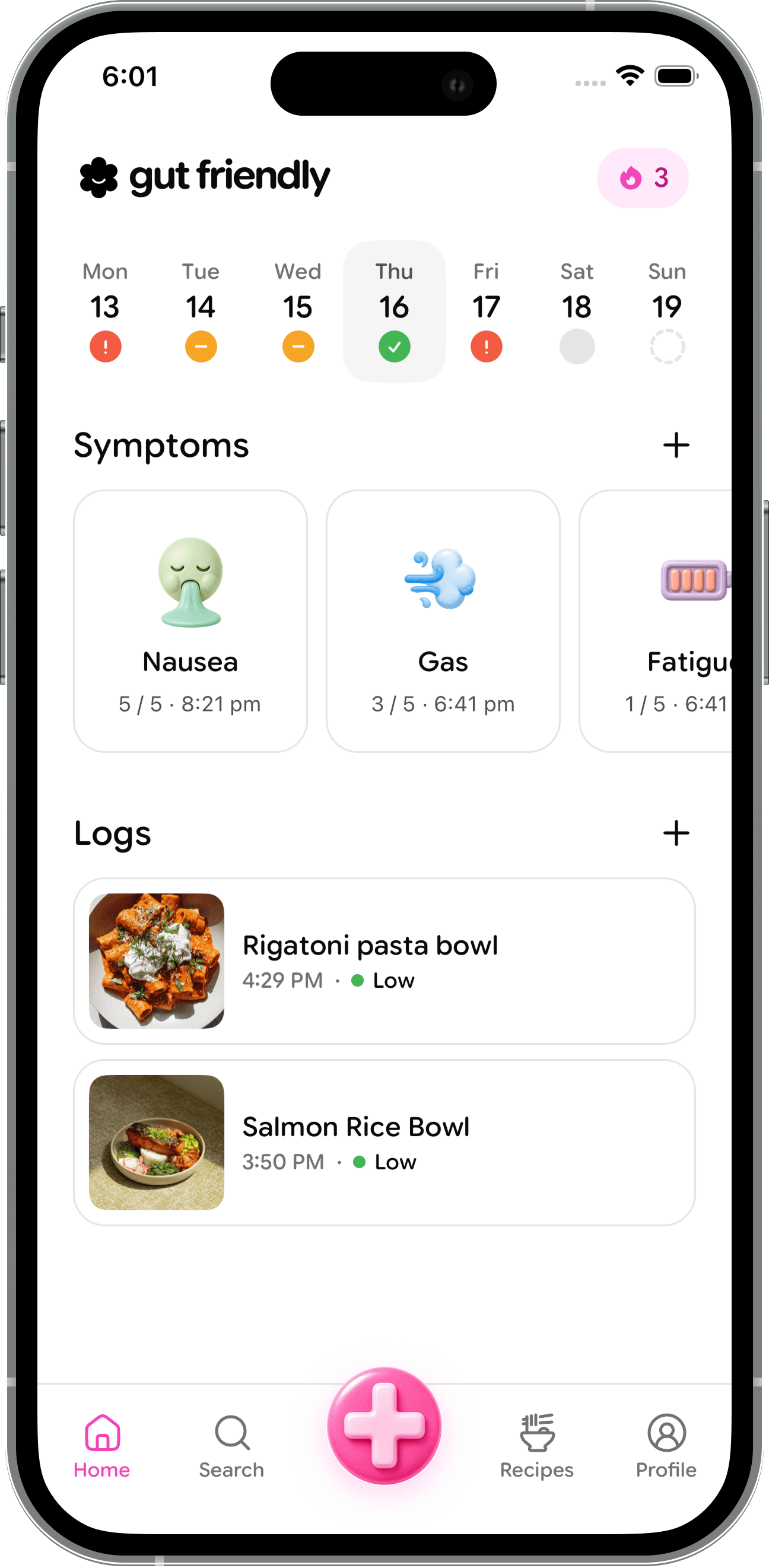
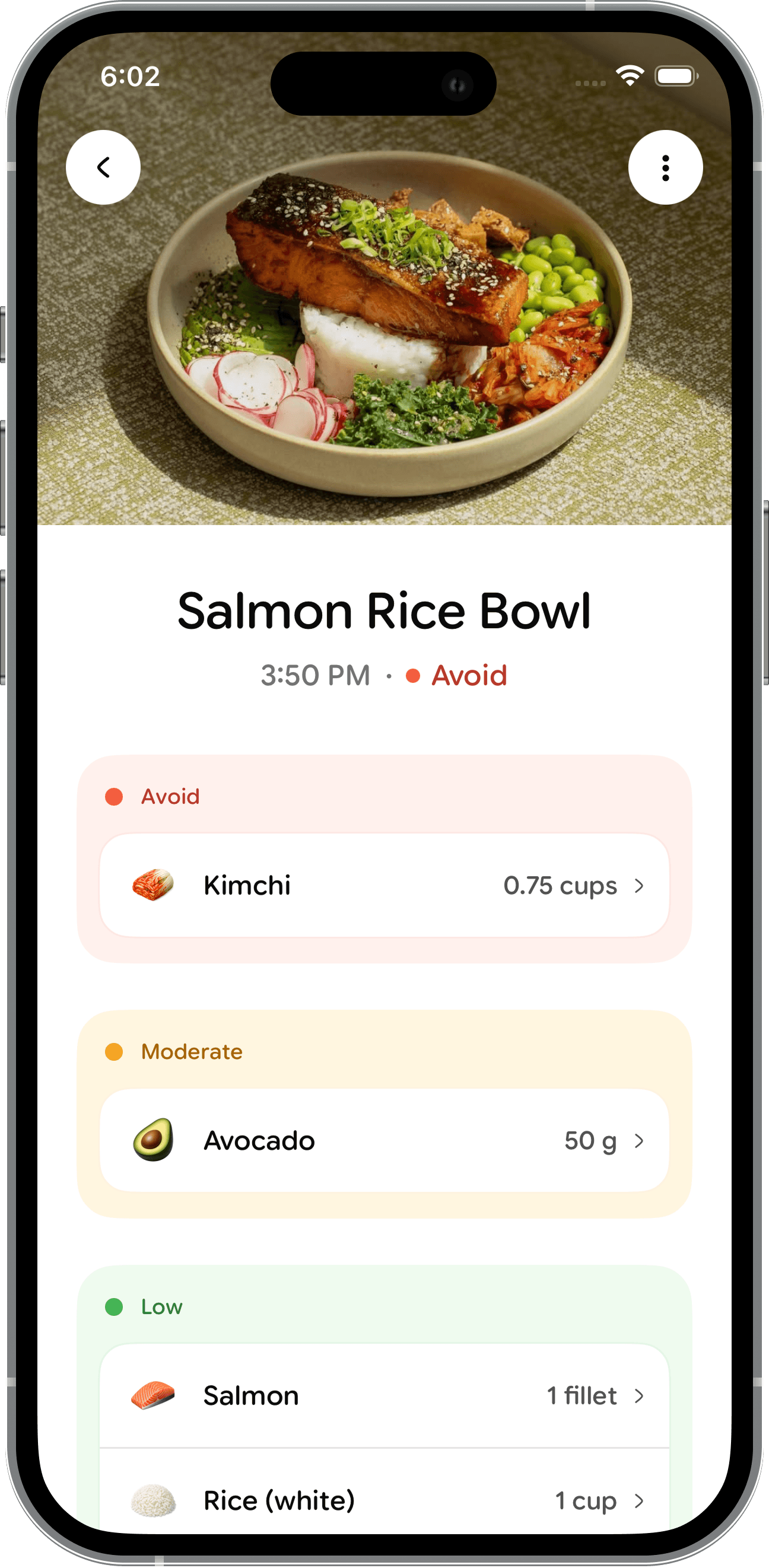
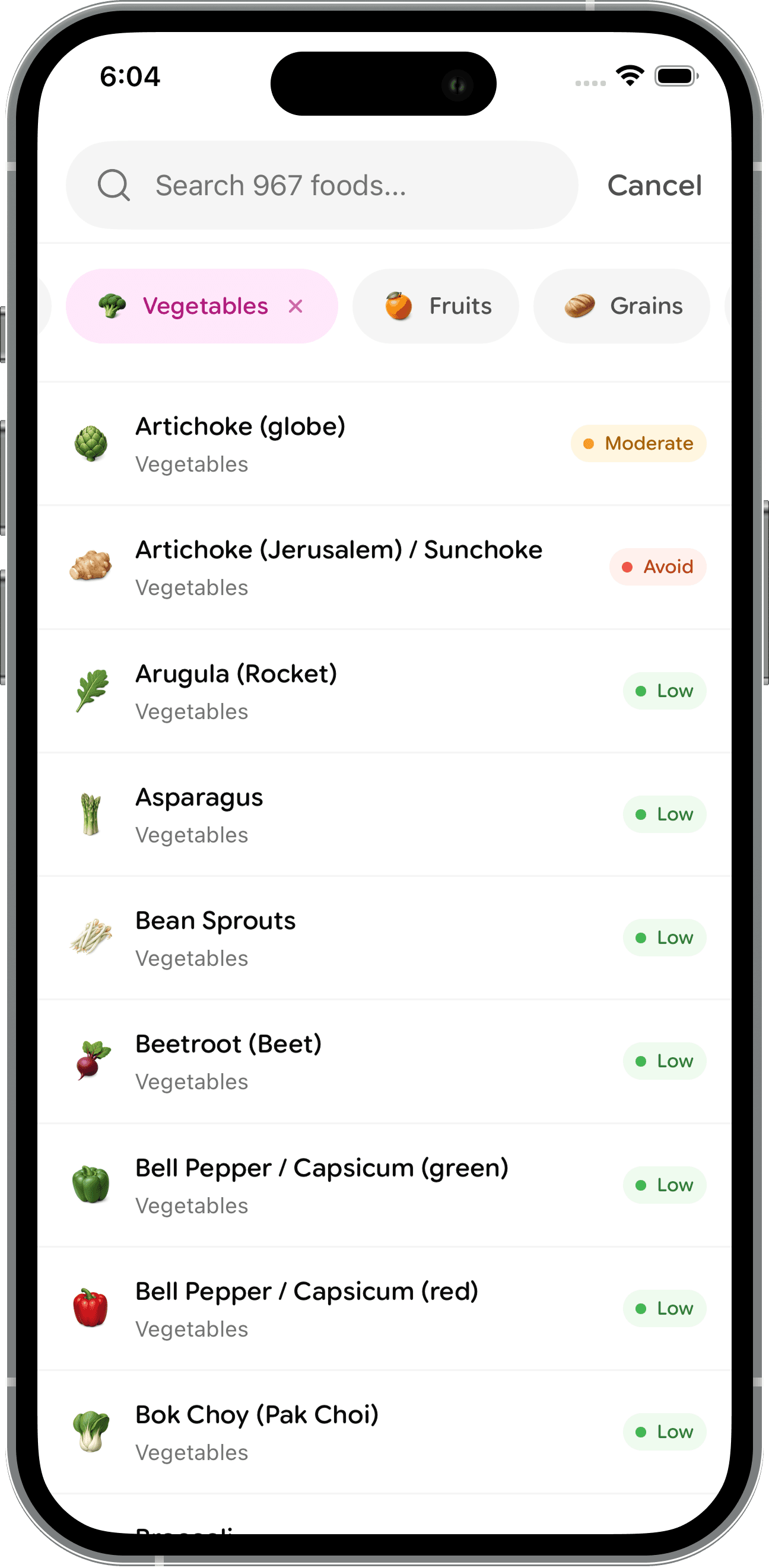
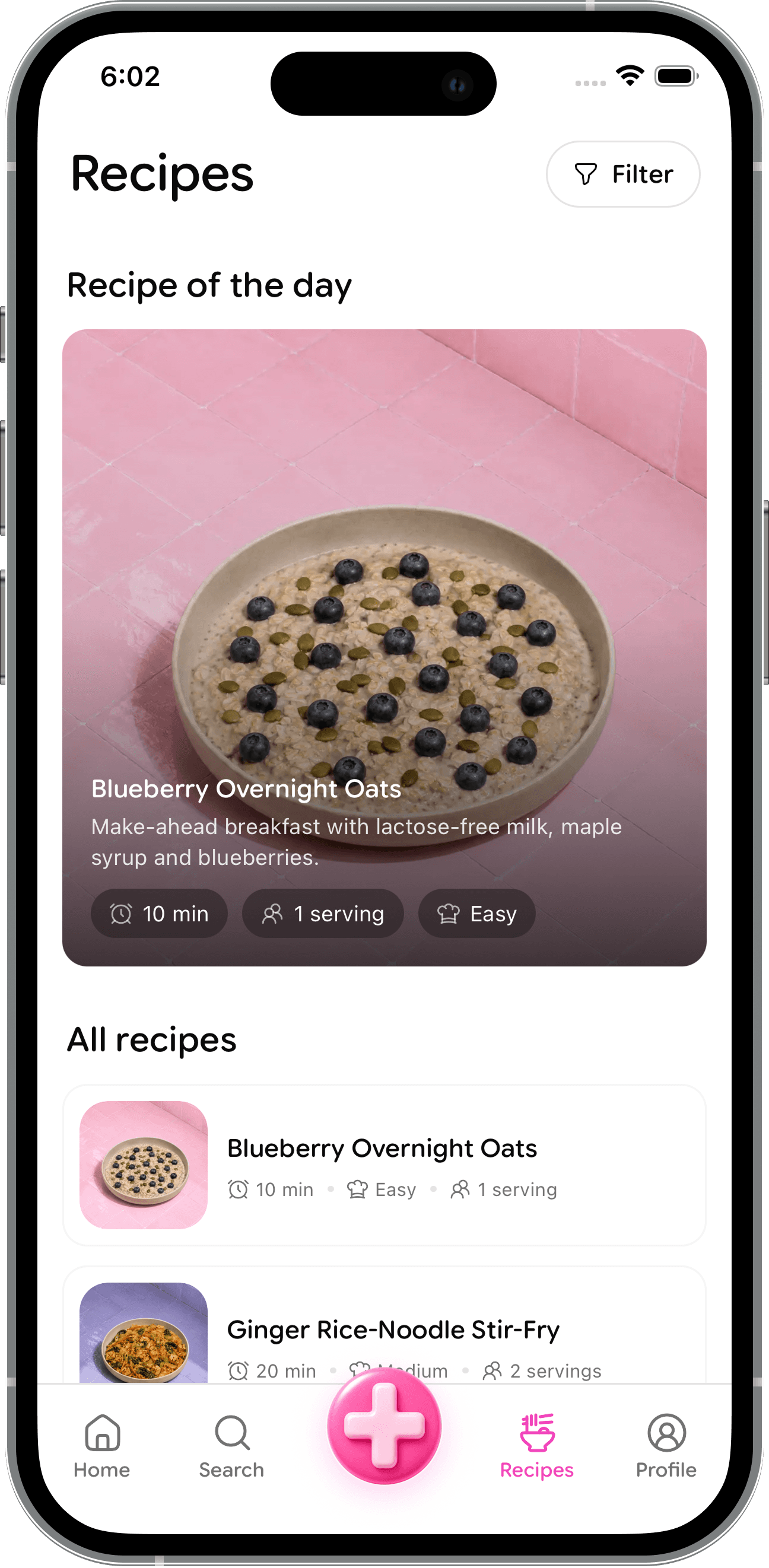
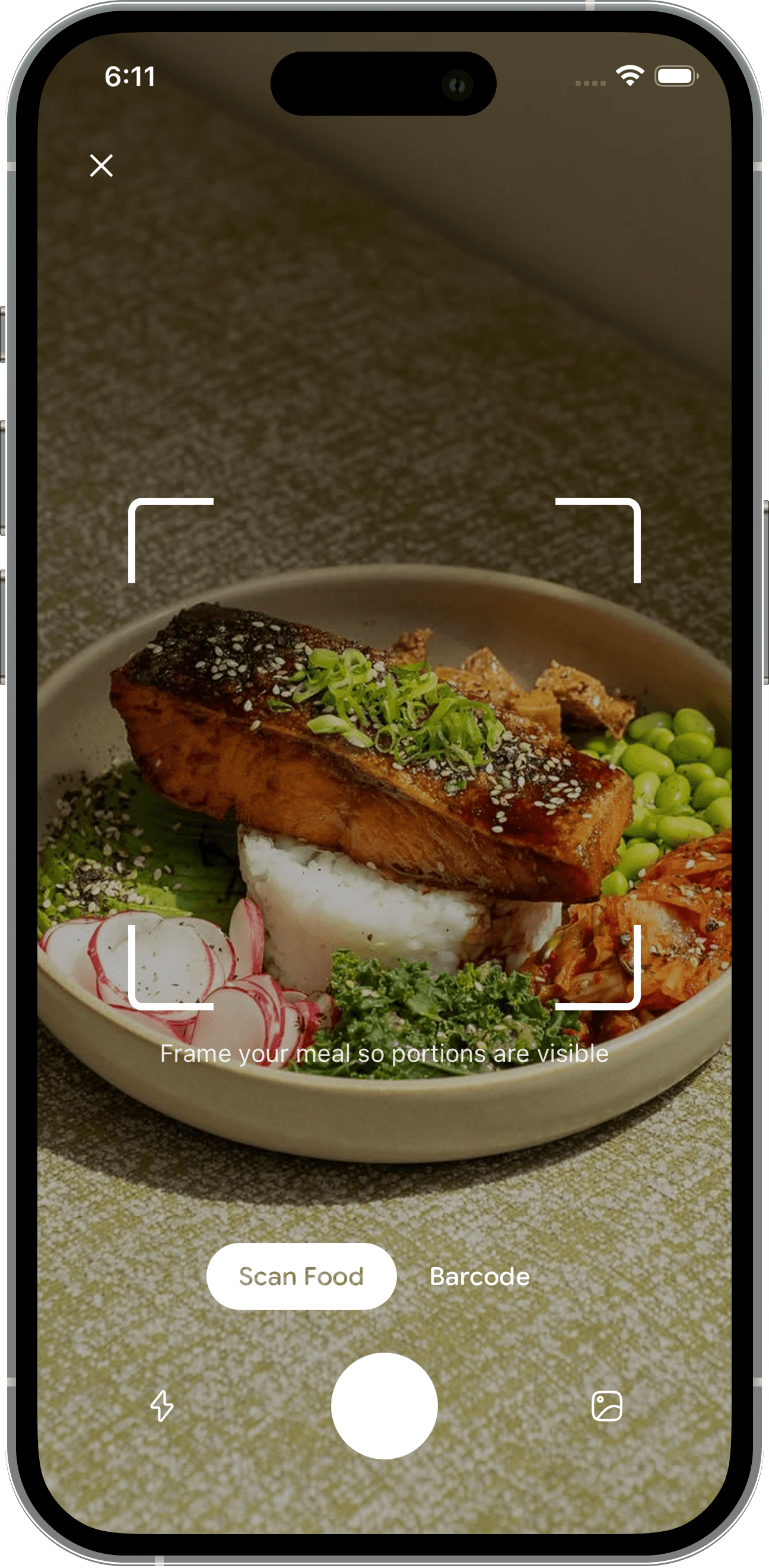
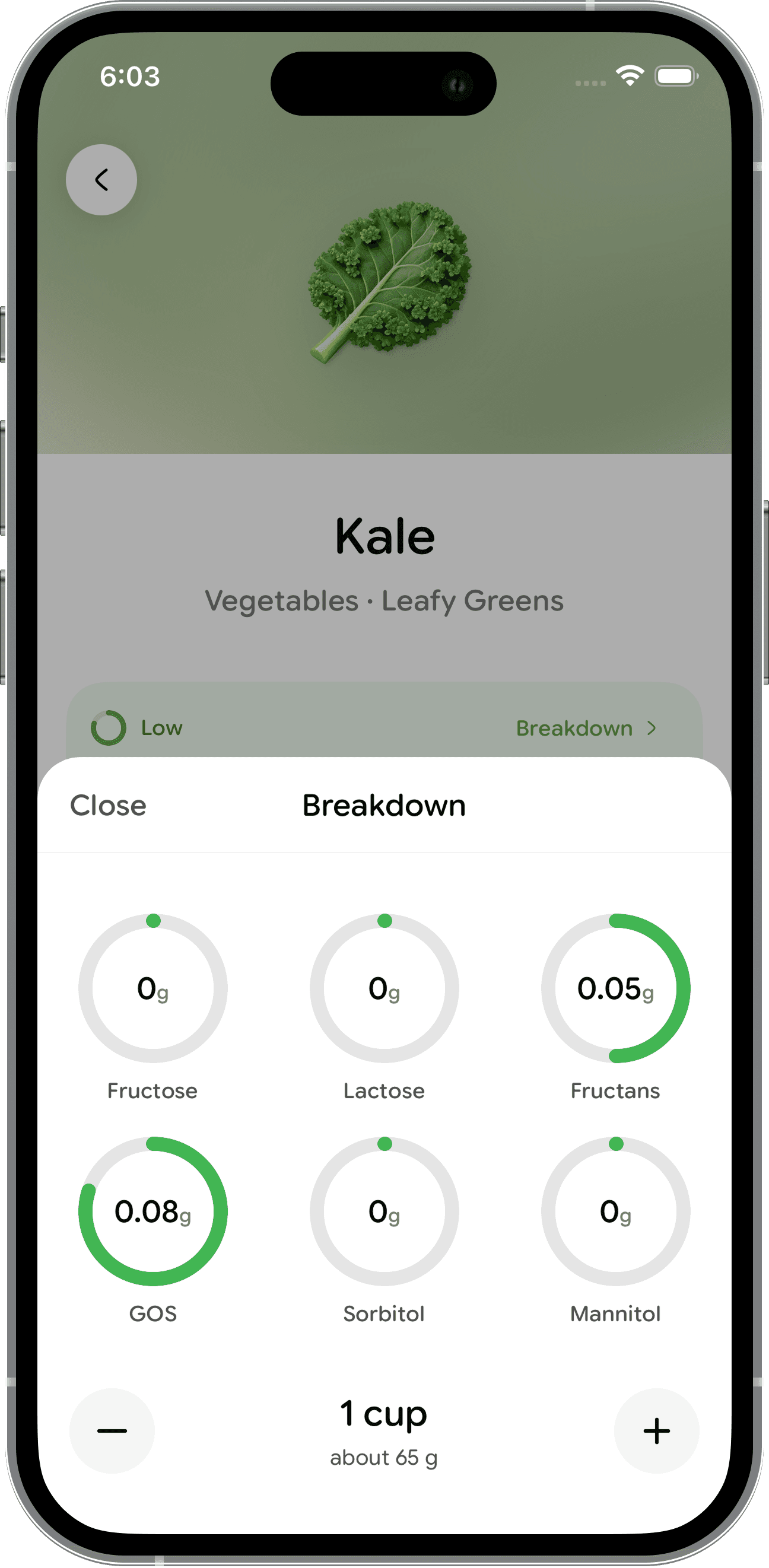
Check a whole plate in seconds.
Not sure about a whole meal? Scan it with the Gut Friendly app.
Get the appRelated foods


Sources and editorial notes
- Monash: FODMAP questions and preparation
General background reading; does not establish the numerical references on this page.