
Butter
Dairy · Cream Butter
Butter is low FODMAP, and the reason is worth understanding: FODMAPs are carbohydrates, and butter is almost entirely fat. The tested serve of 20 g, about a tablespoon and a half, records 0.02 g of lactose. If you have pushed dairy away because milk unsettles you, butter is the first piece you can put back.
Last updated 3 September 2026Serving sizes for butter
The tested serve is 20 g, roughly 1.5 tablespoons, rated green.
Tested serving sizes
| Serving | Amount | Main FODMAP | Rating |
|---|---|---|---|
| 1.5 tablespoons | 20 g | Lactose 0.02 g |
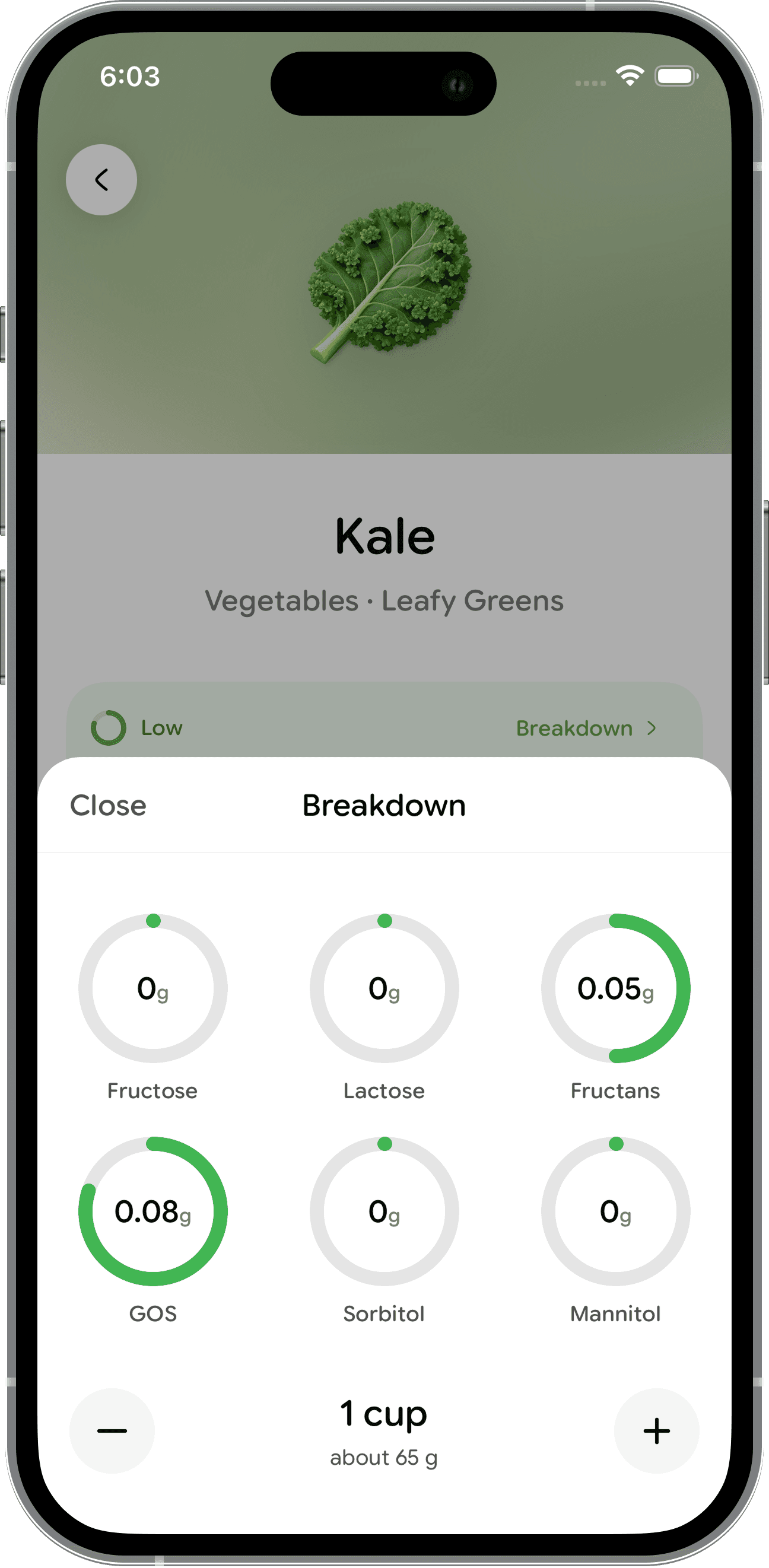
Breakdown for 1.5 tablespoons
Is butter low FODMAP?
Churning splits cream in two, into a fat phase and the watery buttermilk, and lactose, as a sugar dissolved in water, mostly departs with the buttermilk. What stays is a block that is around four-fifths fat with a little water dispersed through it, and the milk sugar in the tested serve comes to 0.02 g. Fat carries no FODMAPs whatsoever, which is why butter behaves nothing like the milk it came from, where a 250 ml cup is rated red.
Butter and IBS: what to know
Lactose is not the only route by which a food can upset an IBS gut, and butter is the clearest illustration. A very rich meal can provoke symptoms in some people through fat load alone, while every FODMAP figure on the plate stays green. If butter-heavy food reliably unsettles you, that is the mechanism worth chasing, rather than a trace of milk sugar. Salted or unsalted makes no difference to any of it, and cultured European-style butters have had bacteria working in the cream beforehand, which if anything pushes in the same direction as ageing does.
Gut-friendly ways to eat butter
Butter is one of the easiest flavour carriers on an elimination diet, because you can infuse it with things whose solids you would never eat. Warm it gently with garlic cloves, strain them out, and you keep the aroma while the fructans stay behind in the discarded solids, the same principle that makes garlic-infused olive oil work. What to skip is shop-bought garlic butter with the pieces still suspended in it. To remove the last of the milk solids, ghee is butter clarified for exactly that purpose, and it takes more heat before it burns.
Recipes with butter


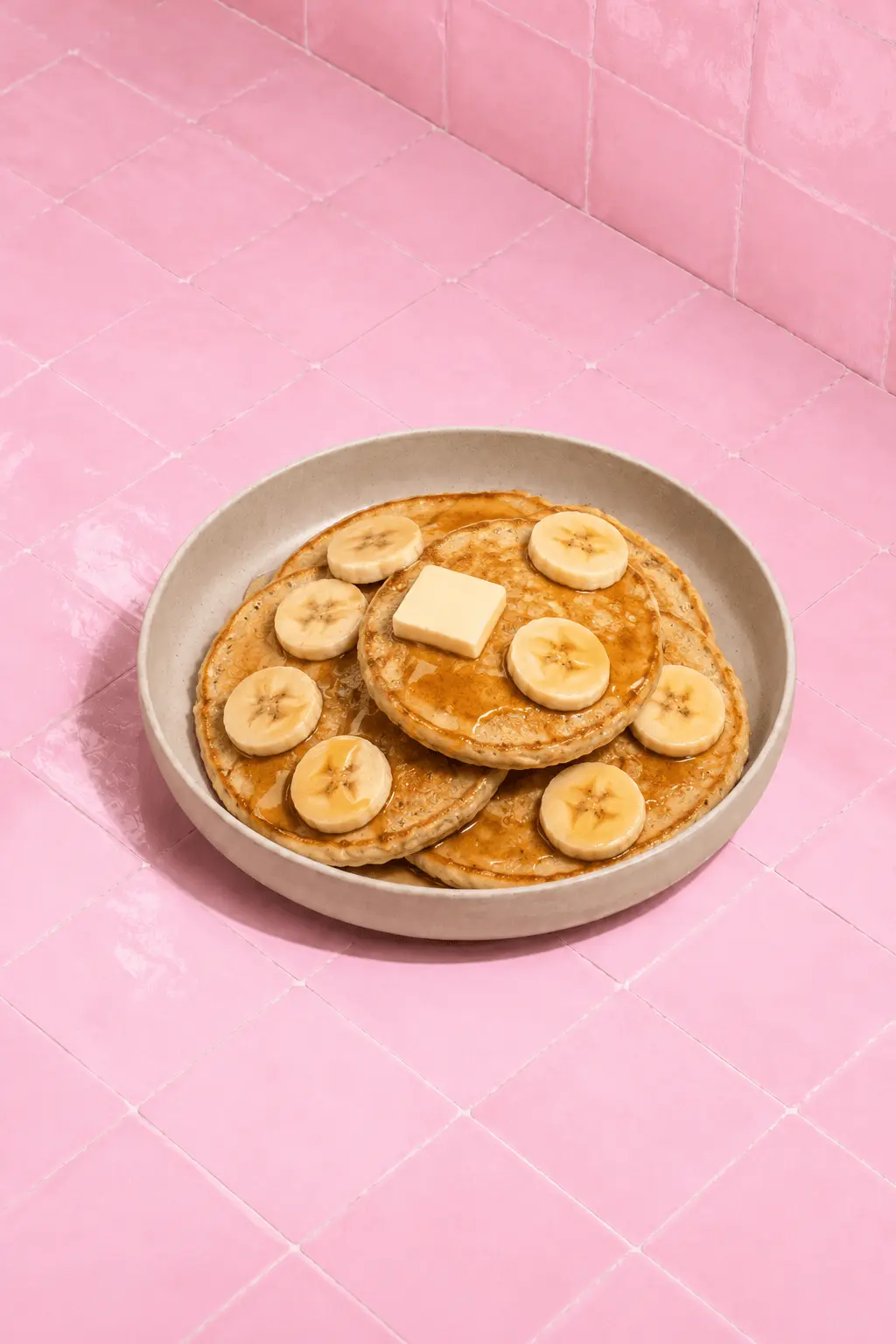
Banana Oat Pancakes
Frequently asked questions
Can I eat butter if I am lactose intolerant?
Nearly always. Buttermilk takes most of the milk sugar with it during churning, leaving a figure of 0.02 g across the tested serve, which is a trace rather than a dose. People who cannot manage a glass of milk usually butter their toast without any trouble at all. If butter alone does bother you, the fat content is the far more likely explanation.
Is butter or margarine better for IBS?
Butter has the advantage of being a known quantity here, with a tested green serve and one FODMAP present in trace amounts. Spreads are a mixed category and the label decides it: some blend in chicory root fibre or inulin as a fat replacer, and inulin is a fructan. A plain oil-based spread without those additions is a reasonable alternative.
Does ghee have less lactose than butter?
It should, since clarifying butter means simmering off the water and straining out the milk solids that carry what little lactose remains. Both are rated green in our guide, so for a low FODMAP diet the swap is about cooking temperature and flavour more than about numbers. Ghee is the safer choice for anyone avoiding milk protein as well.
How much butter can I use in a recipe?
Our data covers 20 g, which is a generous knob rather than a scraping, and a cake or a batch of biscuits divides several times that across many servings. Because the lactose figure is so small, the practical limits on butter come from richness and from what it is cooked with, not from the FODMAP total on your plate.
Check a whole plate in seconds.
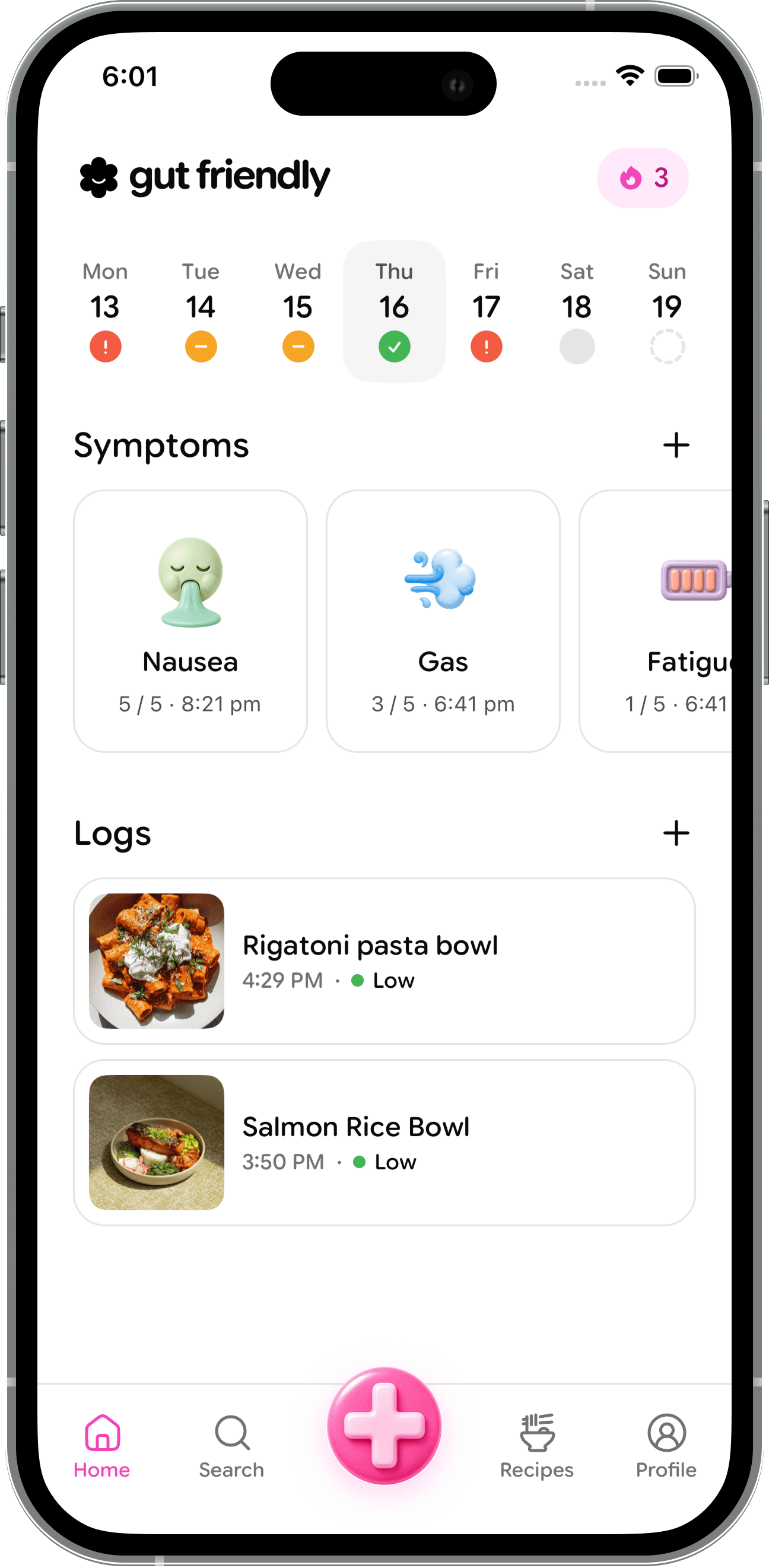
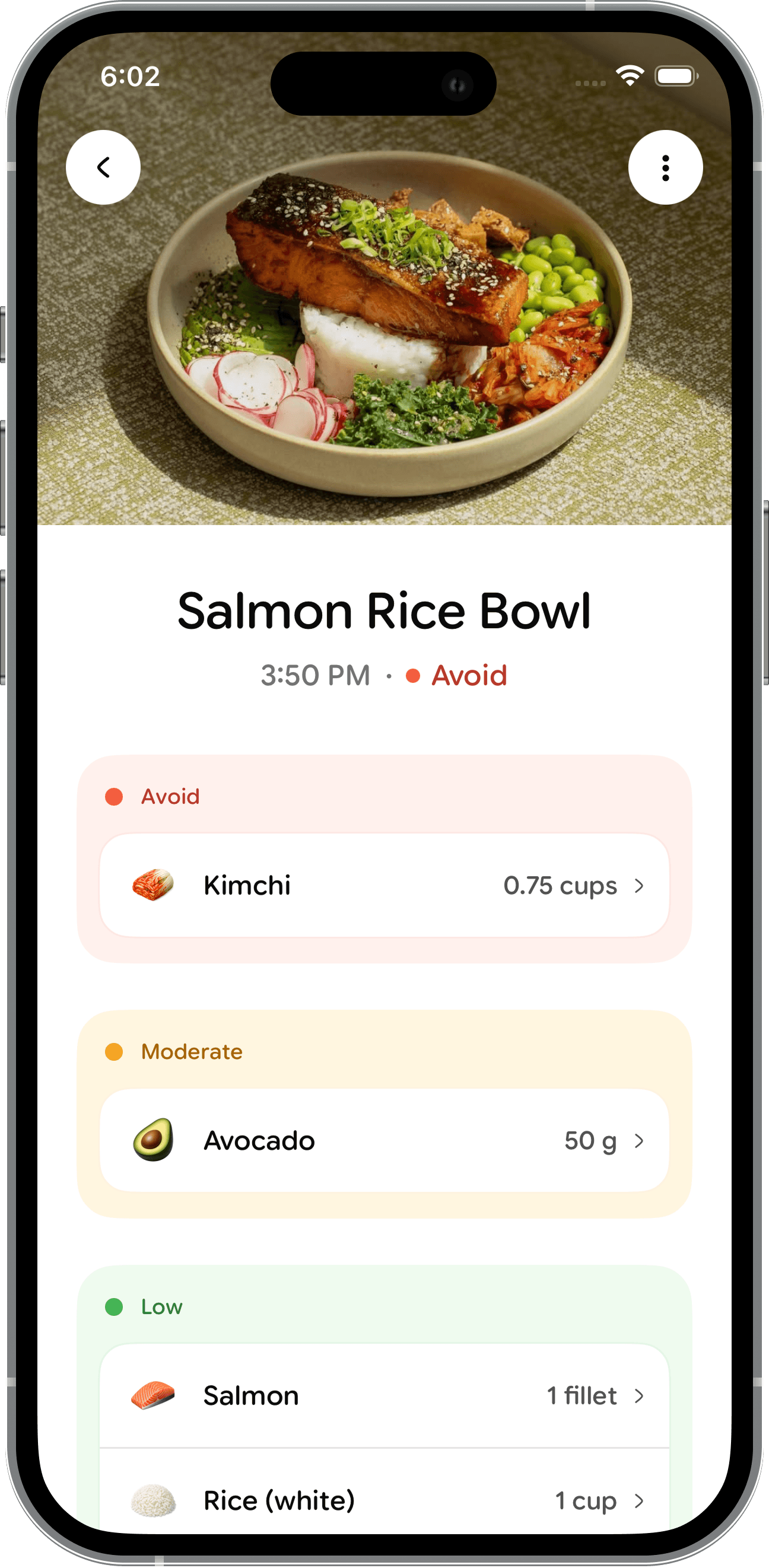
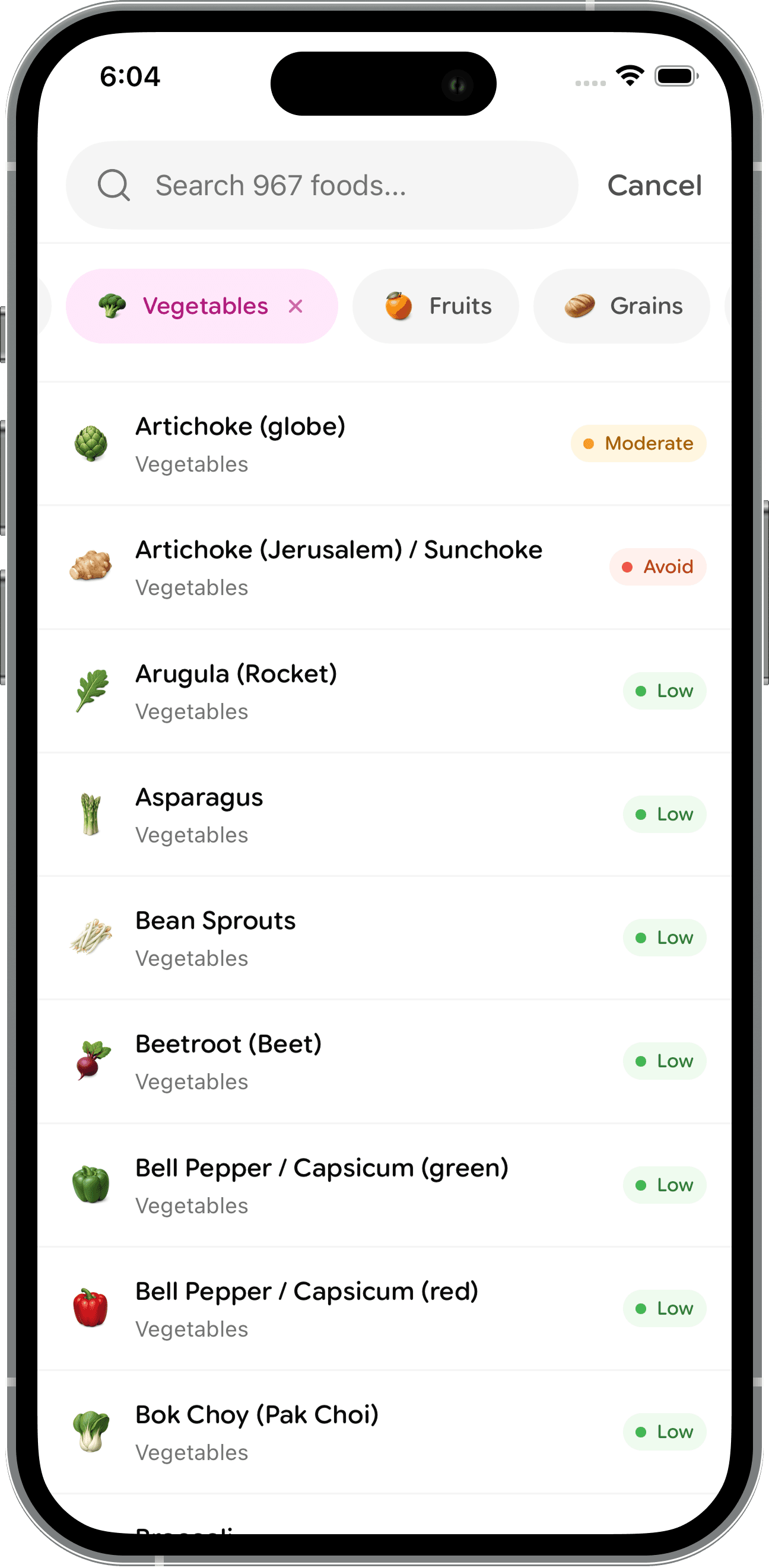
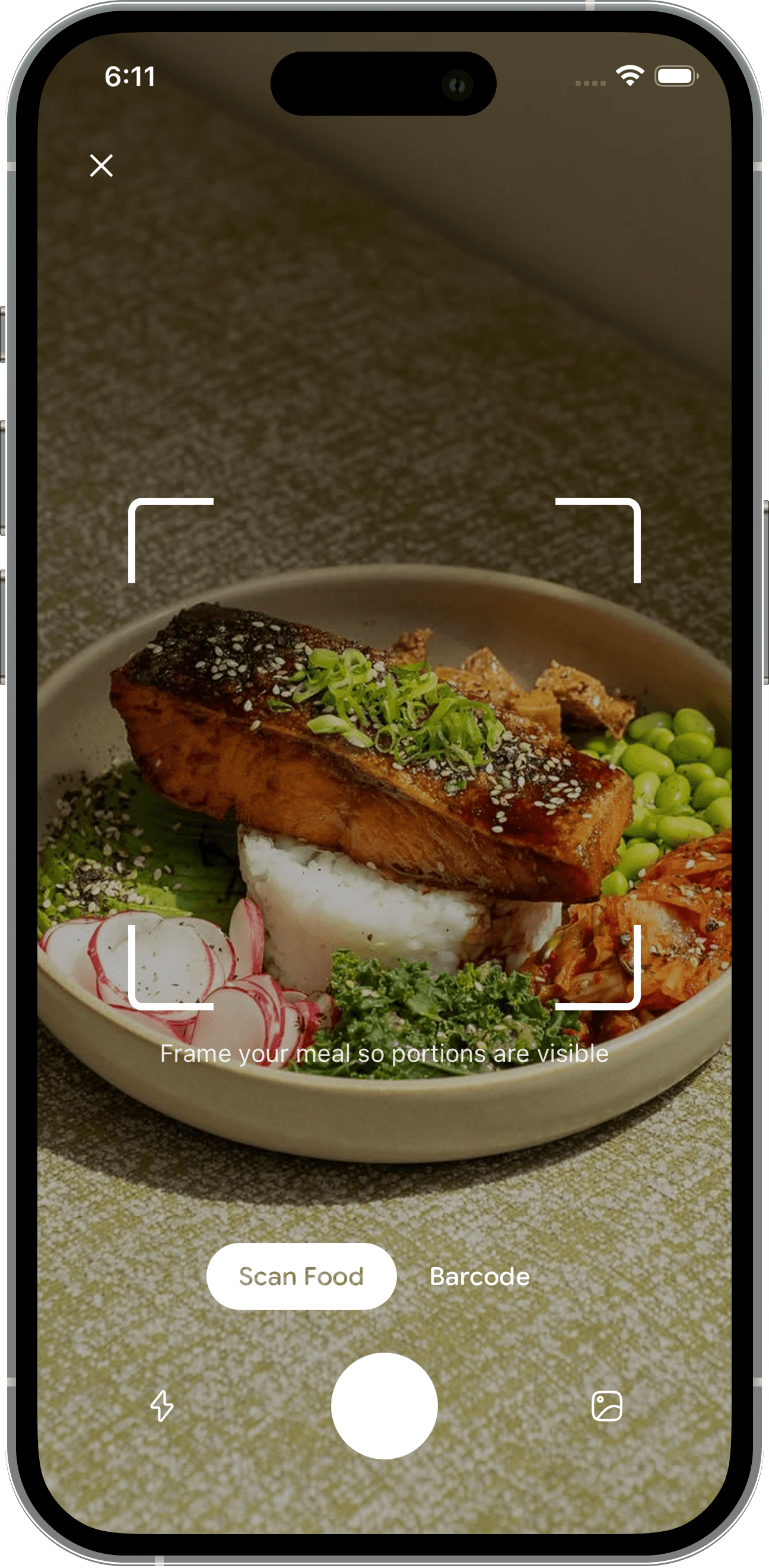
Not sure about a whole meal? Scan it with the Gut Friendly app.
Get the app