

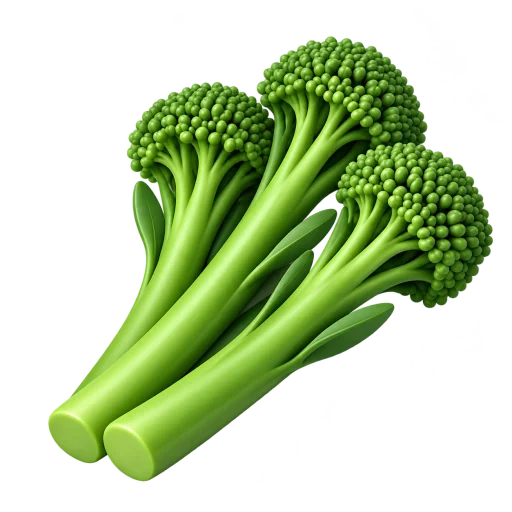
Broccolini (Whole)
Vegetables · Cruciferous
Whole broccolini, with heads and stalks together, is low FODMAP at ½ cup and high in excess fructose at 1 cup in Monash’s November 2017 article. We display those portions as approximately 45 g and 90 g using a separate serving-weight reference; these are estimated conversions, not gram thresholds tested in that article.
Serving sizes for broccolini (whole)
Weight estimates: ½ cup ≈ 45 g; 1 cup ≈ 90 g, based on Lauren Renlund’s September 2018 chart. Cut size, packing and the mix of heads and stalks can change the weight. Monash advises avoiding servings above 70 g if sensitive to excess fructose. Between the two reference portions, the selector shows conservative estimated ratings. Amounts outside 45–90 g remain unrated.
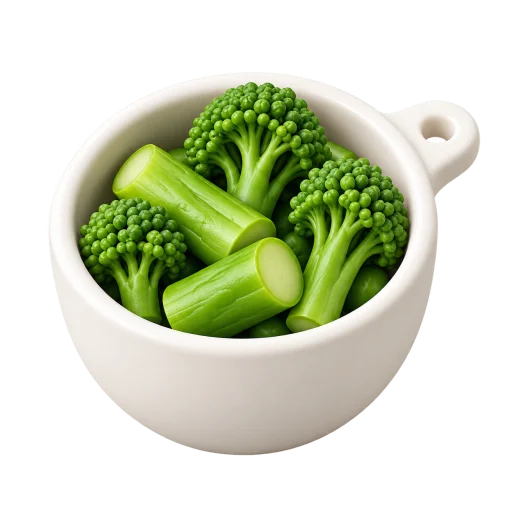
Overall rating: Low (estimated weight). Individual FODMAP amounts are unavailable.
Reference portions
Select an amount or rating to update your portion. These are reference portions, not exact cut-offs or recommended intakes. Estimated portions use the same calculation as the selector and are not published test results.| Serving | Amount | FODMAP rating |
|---|---|---|
| 1/2 cup, heads and stalks | ||
| Estimated portion | ||
| 1 cup, heads and stalks |
Is broccolini (whole) low FODMAP?
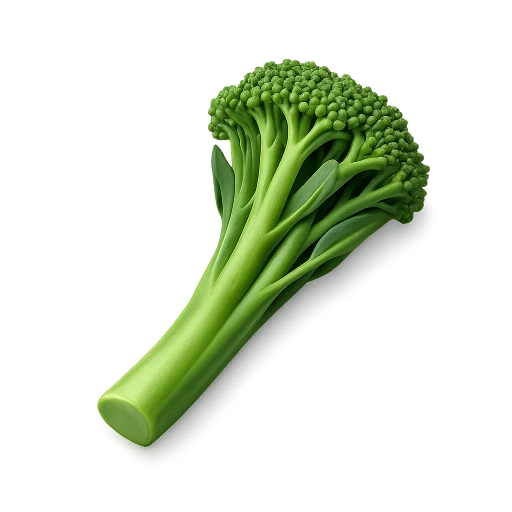
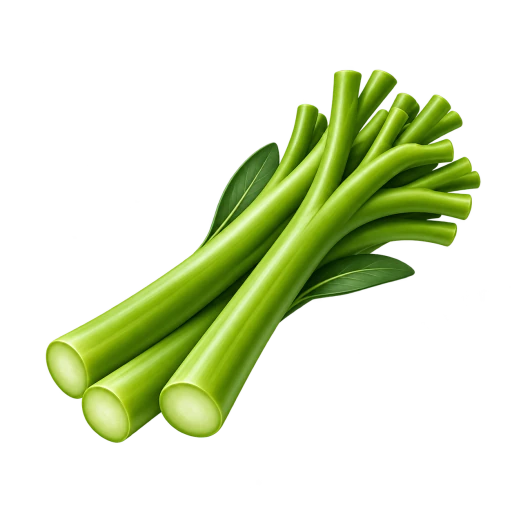
The Monash article identifies excess fructose as the main FODMAP concern and reports a higher concentration in broccolini heads than stalks. This whole-vegetable guide applies when both are eaten together. For a plate containing only one part, use the separate broccolini heads or broccolini stalks guide. Their records are distinct; averaging their ratings would not reproduce a tested whole-food serving.
Broccolini (Whole) and IBS: what to know
A low FODMAP serving is a reference for planning, not a promise that broccolini will suit everyone with IBS. Monash’s three-step approach moves from a short restriction phase to reintroduction and personalisation with a dietitian, so long-term choices reflect your own tolerance. Record the amount of whole broccolini you ate and the other ingredients in the meal when discussing symptoms. A head-only portion or a stalk-only portion is a different food choice from the mixed portion shown here.
Gut-friendly ways to eat broccolini (whole)
Weigh the heads and stalks together before adding them to the rest of the meal. Use the approximate gram amounts as a practical conversion of the article’s cup portions. The serving-weight chart lists broccolini without specifying cut size, packing or preparation, so this conversion cannot establish a cooked-versus-raw equivalent. For a stir-fry or side dish, check sauces and seasonings too: Monash’s cooking guidance identifies onion and garlic as fructan sources and describes garlic-infused oil as a flavouring option.
Frequently asked questions
How much whole broccolini is low FODMAP?
The 2017 Monash article gives a low reference of ½ cup of heads and stalks together and a high reference of 1 cup. We show these as about 45 g and 90 g using the separate serving-weight chart. The weights are estimates, not exact low-to-high boundaries.
Is broccolini the same as broccoli?
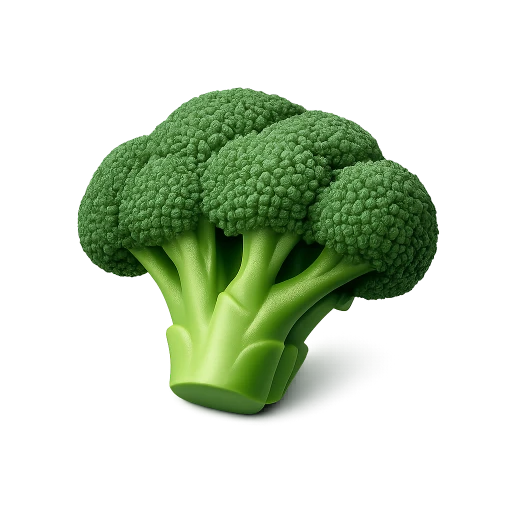
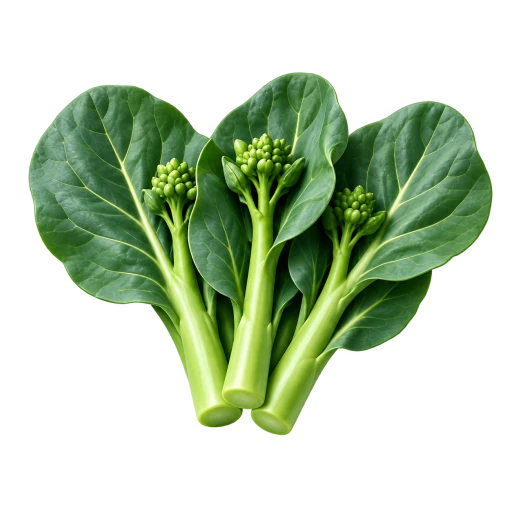
No. Broccolini is a cross between broccoli and Chinese broccoli (gai lan), rather than baby broccoli, as Monash explains. Use the separate broccoli and gai lan guides for those foods.
How many grams is half a cup of broccolini?
Approximately 45 g in Lauren Renlund’s September 2018 chart; doubling that serving gives an estimated 90 g per cup. The chart lists generic broccolini without detailing preparation or packing. Monash’s article supplies the cup-based ratings, not this conversion. Its above-70-g caution should not be interpreted as confirmation that 70 g is low FODMAP.
Does cooking broccolini make a larger portion low FODMAP?
There is no cooked-versus-raw conversion in this whole-broccolini reference. Monash’s general cooking guidance says the effect of cooking on FODMAP content is too variable to rely on it to lower a meal’s FODMAP level. Steaming or roasting therefore does not establish a new low serving here.
Is 70 g of whole broccolini low FODMAP?
The Monash article cautions people sensitive to excess fructose about servings above 70 g, but does not explicitly rate a 70 g portion. At 70 g our selector shows High (estimated), using the conservative model described below. This is an estimate, not a Monash-tested result at 70 g. A published moderate whole-broccolini reference is not available.
Why are the individual FODMAP amounts unavailable?
The source gives whole-broccolini serving ratings and identifies excess fructose at the high serving, but does not publish quantities for the six FODMAP groups. We keep those amounts unknown. A missing number does not mean zero FODMAPs, and the whole-food rating cannot supply a numerical total for a mixed meal.
How are ratings between the reference portions estimated?
We assume that the rating increases steadily between the approximate 45 g low reference and 90 g high reference, and round toward the higher category. Above 45 g through 67.5 g the selector shows Moderate (estimated); above 67.5 g and below 90 g it shows High (estimated). The midpoint is an arithmetic choice, not a measured FODMAP cut-off. These estimates are not laboratory results or a guarantee of personal tolerance. The two reference ratings stay unchanged, and individual FODMAP amounts remain unknown. We do not estimate outside 45–90 g.
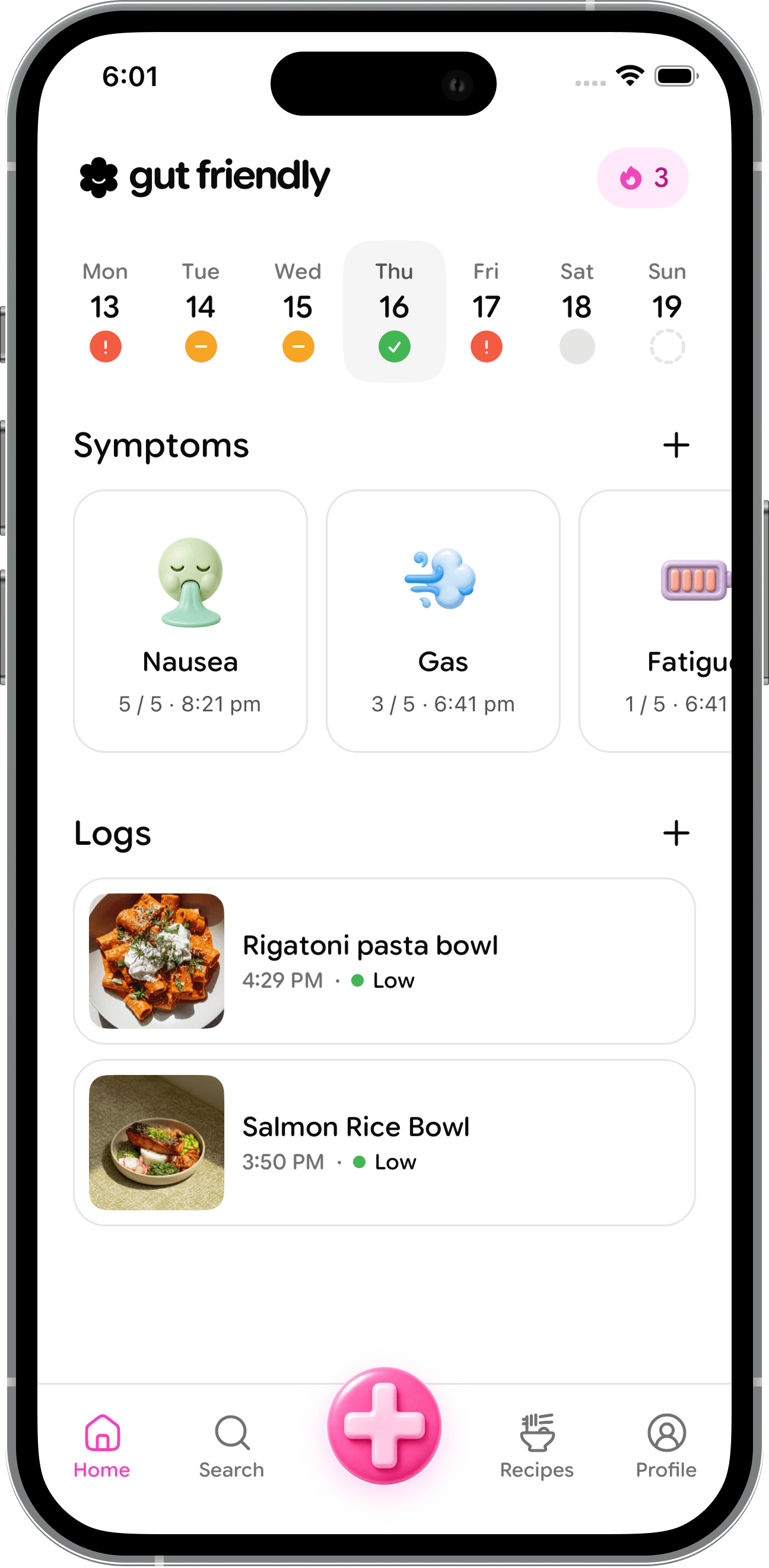
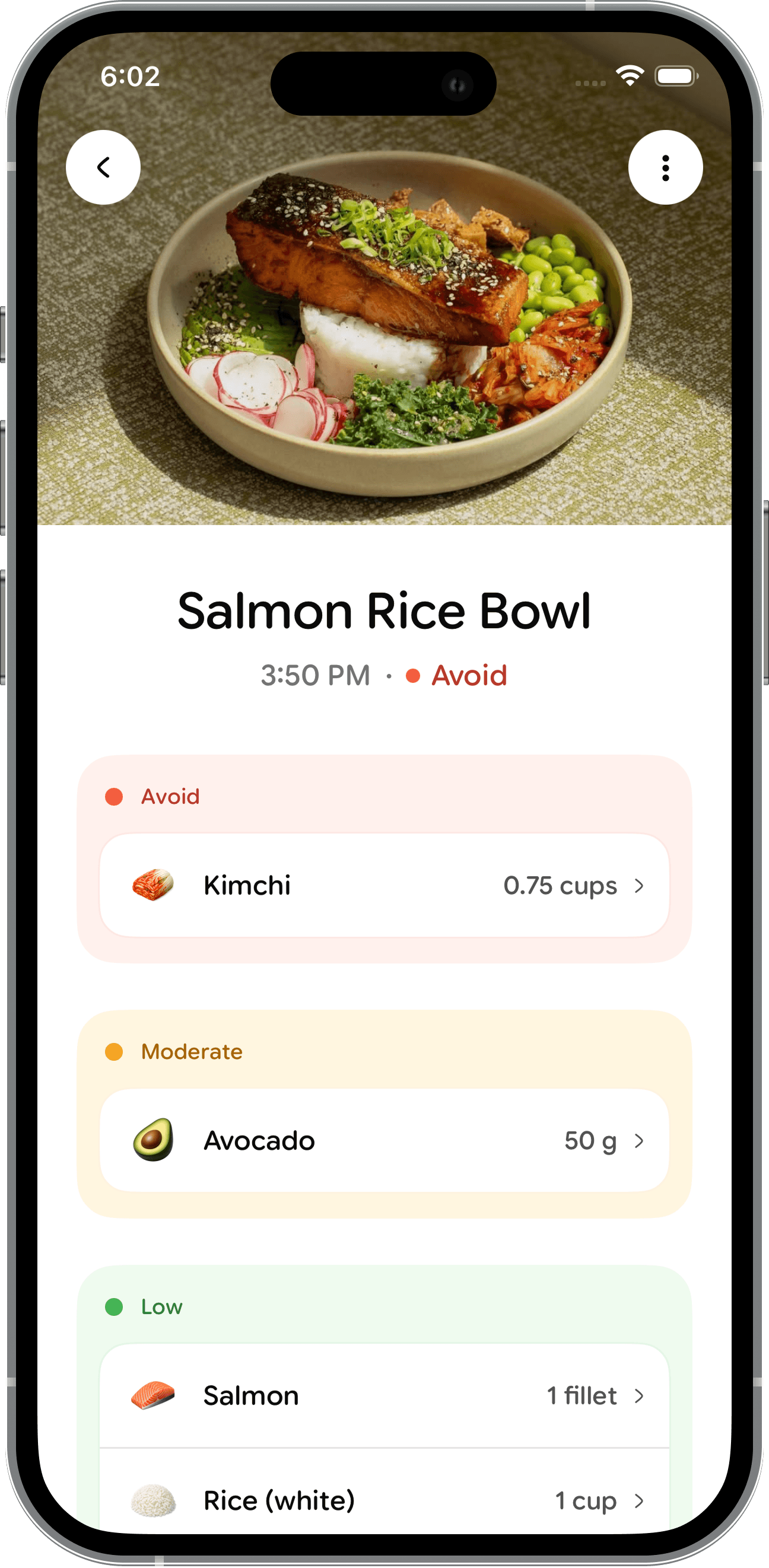
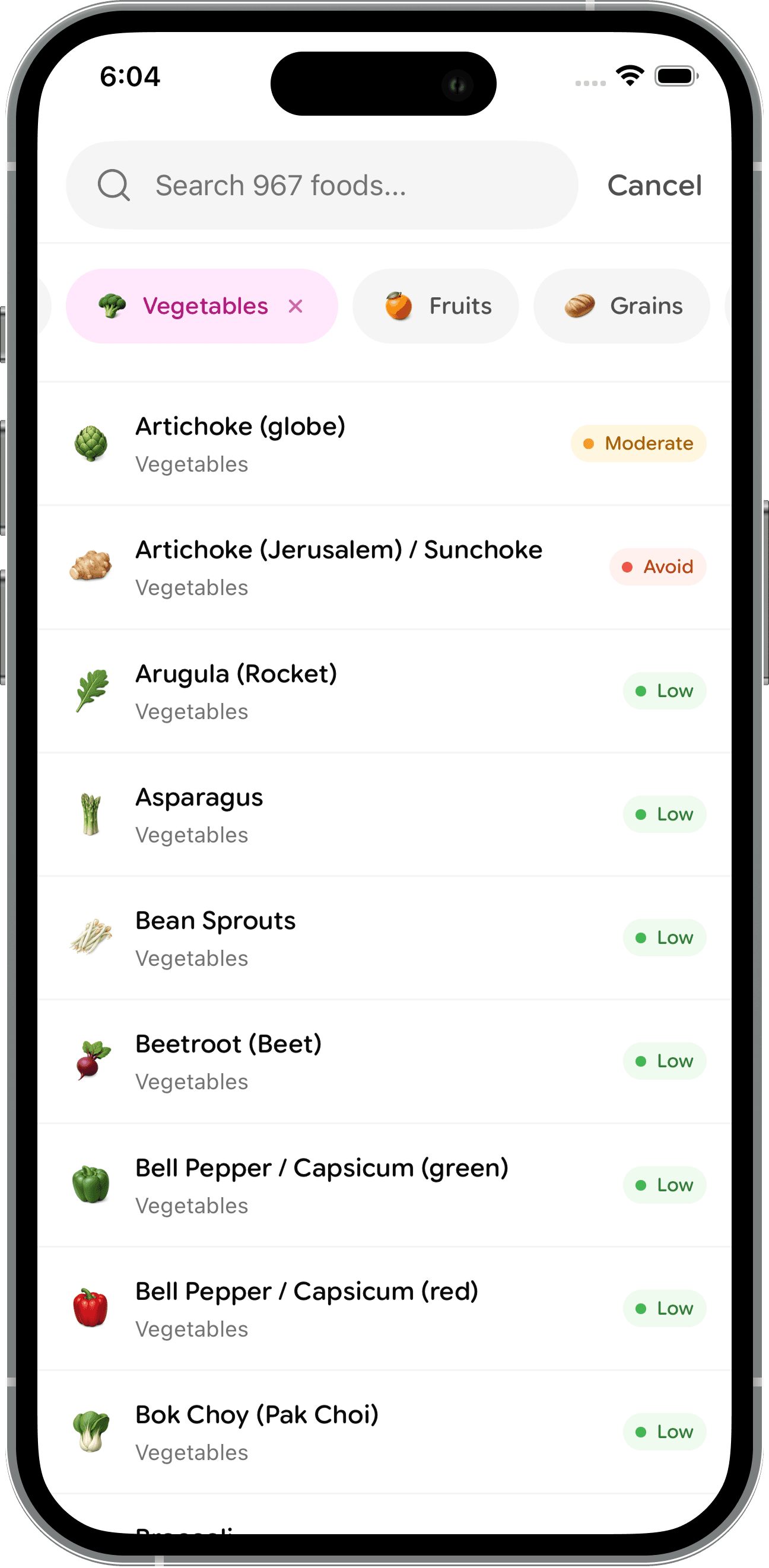
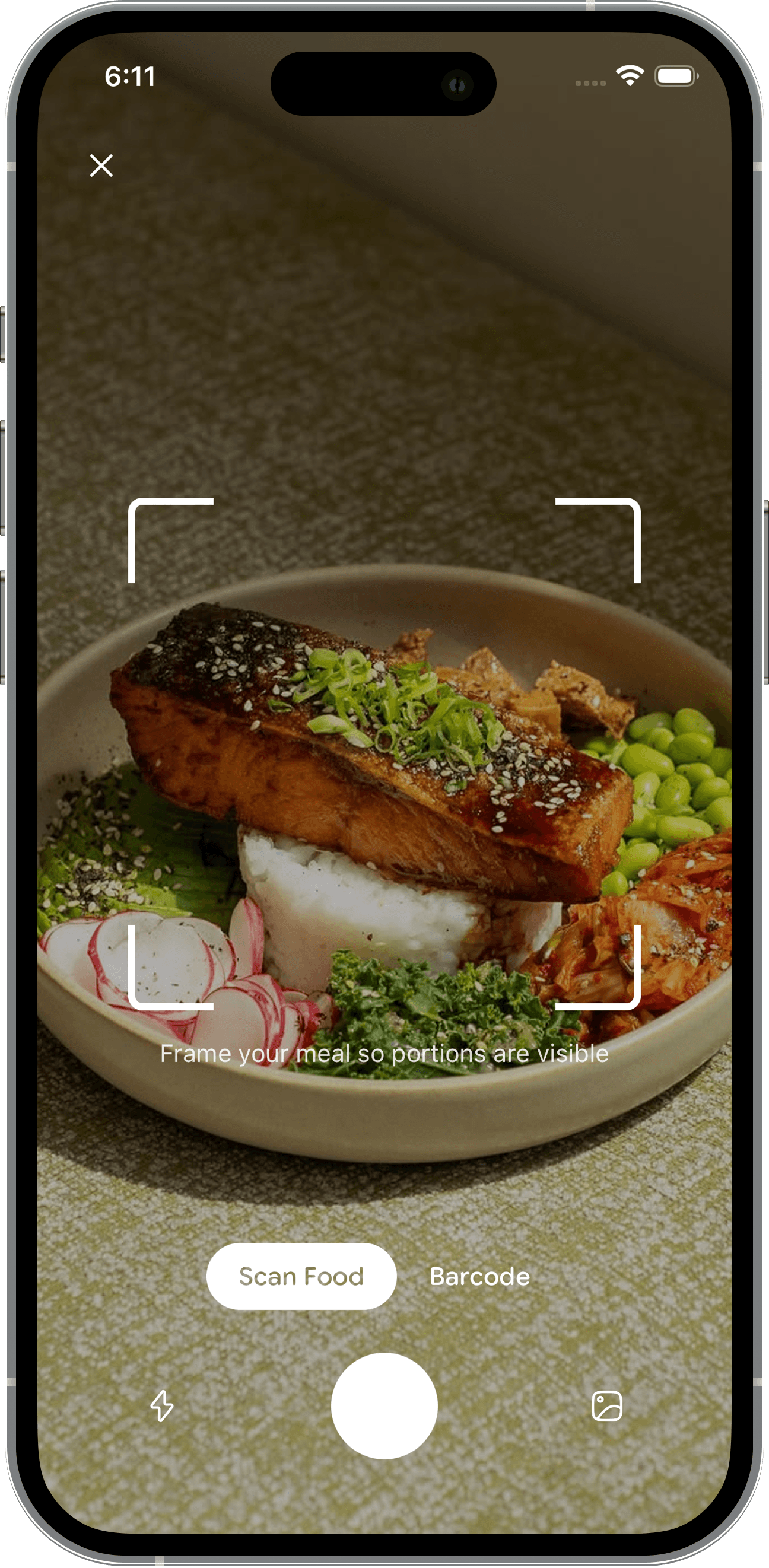
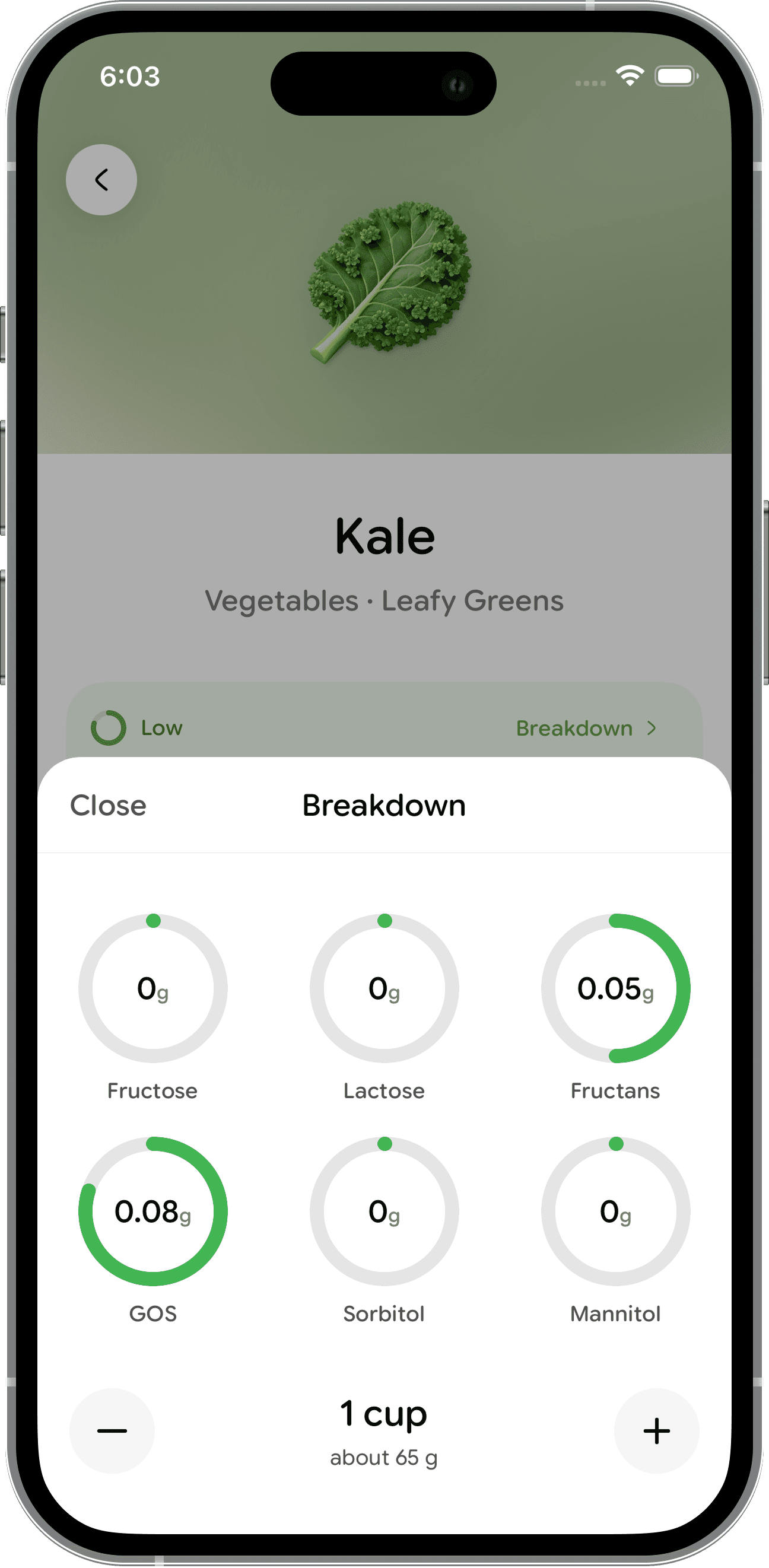
Check a whole plate in seconds.
Not sure about a whole meal? Scan it with the Gut Friendly app.
Get the appRelated foods
Sources and editorial notes
- Monash University: FODMAP content of broccoli and Broccolini
Published 22 November 2017. Source for the whole-vegetable ½-cup low and 1-cup high ratings, excess-fructose finding, plant identity and differences between heads and stalks. These are historical article values, not a claim of a new laboratory test.
- Lauren Renlund: FODMAP foods chart, September 2018
Lists generic broccolini as ½ cup / 45 g. Used only for an approximate serving-weight conversion: 45 ÷ 0.5 = 90 g per cup. Preparation, packing and head-to-stalk ratio are unspecified. FODMAP ratings on this page continue to come from the 2017 Monash article, not this chart.
- Monash University: starting the low FODMAP diet
General IBS guidance on restriction, reintroduction and personalisation with a dietitian. Does not substantiate the broccolini portions.
- Monash University: FODMAP frequently asked questions
General guidance on cooking, fructans in onion and garlic, and garlic-infused oil. Does not establish a cooking conversion for broccolini.