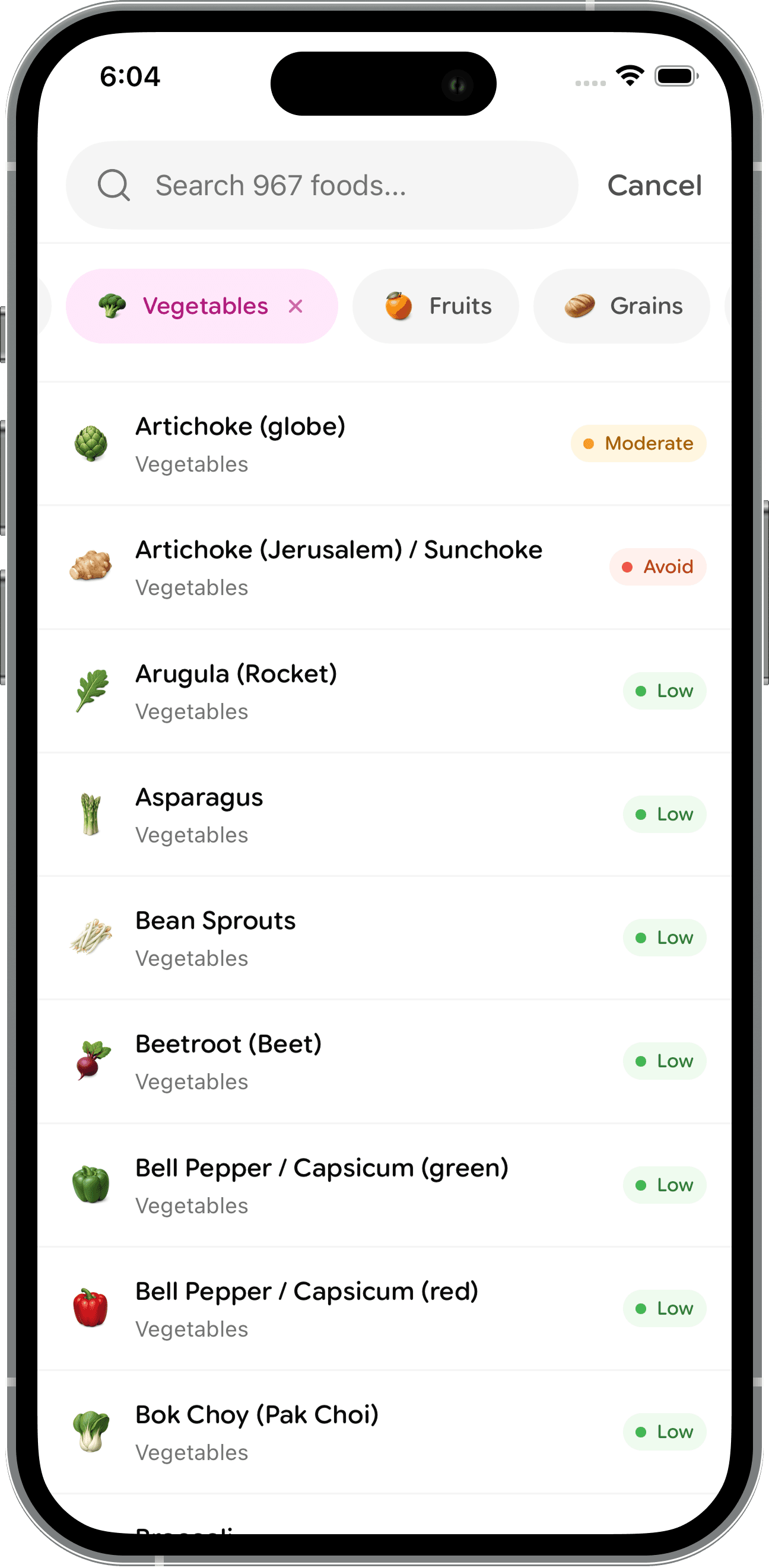

Bean Sprouts

TLDRLast updated 4 September 2026

A cup of bean sprouts, 90 g, is rated green, on 0.05 g of GOS and a trace of fructans. That is a legume clearing a whole cup, which sits strangely beside the rest of the bean shelf, where portions are handed out in quarter cups. Germination is the reason. A sprouting seed spends its own stored sugar to grow.

Last updated 4 September 2026

Serving sizes for bean sprouts

One cup (90 g) is the tested serve, rated green. It is the only portion measured, and it is a full side of vegetables.

Low
1 cupabout 90 g

Tested serving sizes

Tested serving sizes for Bean Sprouts and their Gut Friendly rating
ServingAmountMain FODMAPRating
1 cup90 gGOS 0.05 gLow

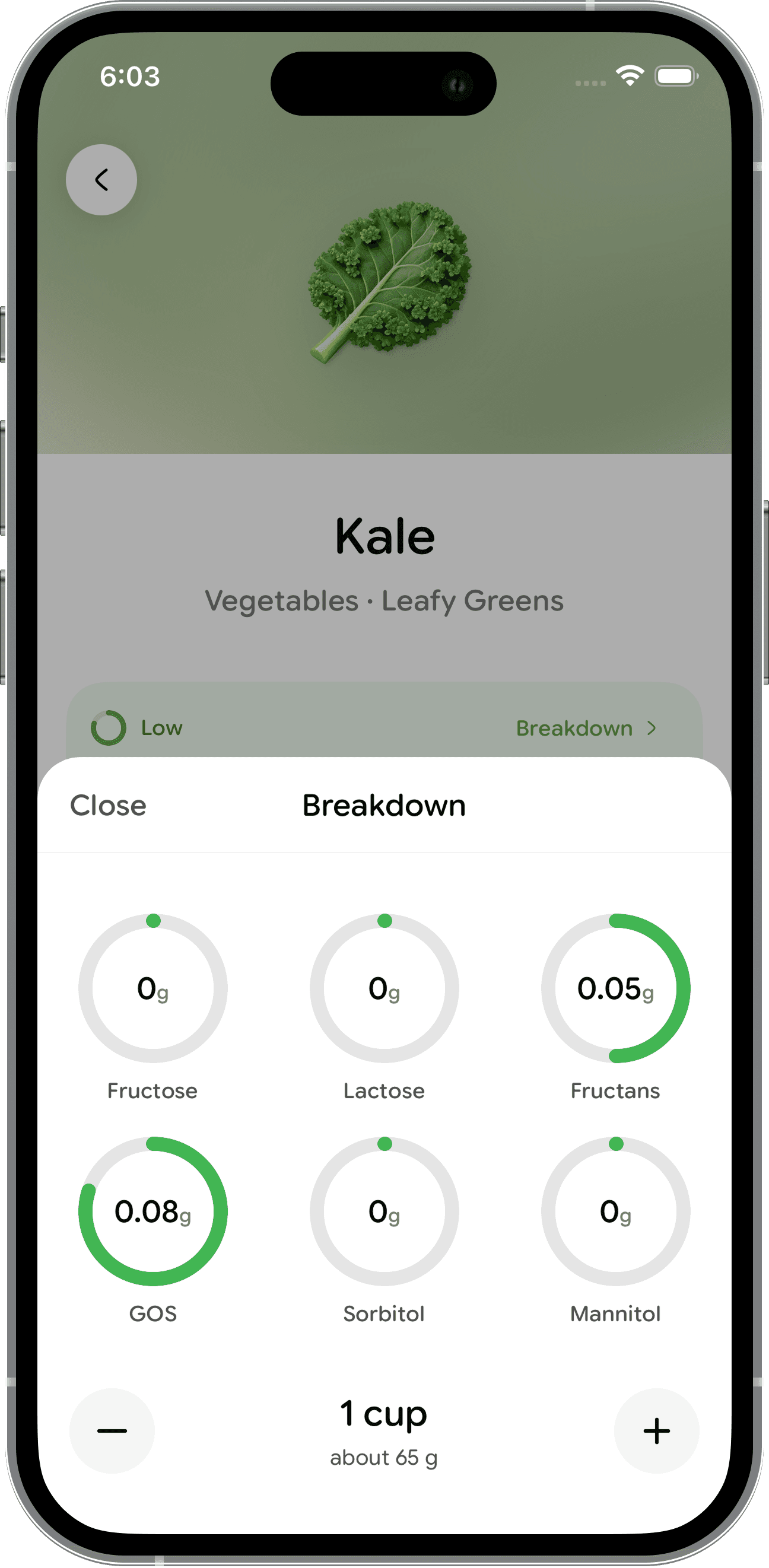
Breakdown for 1 cup

0gFructose
0gLactose
0.02gFructans
0.05gGOS
0gSorbitol
0gMannitol
1 cupabout 90 g

Is bean sprouts low FODMAP?

GOS sets the ceiling on beans, and a cup of sprouts holds 0.05 g of it, half the level at which a portion begins to rate moderate, with fructans at 0.02 g and the remaining four groups at zero. Set that against canned chickpeas, carrying 0.18 g of GOS in a drained quarter cup, or canned black beans at 0.15 g for the same scoop. Sprouting is what separates them: GOS is the seed’s own fuel reserve, and the germinating bean draws that reserve down to build the white shoot you eat.

Bean Sprouts and IBS: what to know

Two practical things, neither of them about FODMAPs. Sprouts are grown warm and damp, which is exactly the environment bacteria enjoy, so they are treated as a highly perishable fresh food: buy them crisp and cold, keep them refrigerated, use them within a couple of days, and cook them if you would rather not eat them raw at all. That is ordinary kitchen practice rather than advice about your gut. The second is quantity, because sprouts vanish under heat. A stir-fry for one can comfortably start with three cups, so judge the amount while they are still raw.

Gut-friendly ways to eat bean sprouts

They are the crunch that survives a hot pan, provided you throw them in last: thirty seconds is plenty and anything more turns them limp and watery. A handful finishes a bowl of rice noodles, folds through a bok choy stir-fry, or goes in raw with mint, coriander, lime and chilli, which is a dressing that never wanted garlic in the first place. Rinse them under cold water and pinch off any browning tails before use, since the tails are where a bag starts to turn.

Frequently asked questions

Why are bean sprouts low FODMAP when beans are not?

Because a sprout is a bean partway through eating itself. The GOS that makes legumes difficult is stored energy for germination, and once the seed starts growing it spends that store on the shoot. What you buy is the result: 0.05 g of GOS in a full cup, where the dried or canned bean would be rationed by the quarter cup. The same seed, caught at a different moment.

How many bean sprouts can I eat at once?

A cup is the measured amount and it is rated green, which is a proper side rather than a garnish. Larger piles are untested rather than ruled out. Judge it raw, since sprouts collapse dramatically in a wok and a bowl of noodle soup topped with a generous handful is easy to underestimate. Two cups eaten raw is also a fair amount of insoluble fibre at one sitting.

Are mung bean sprouts and soybean sprouts the same thing?

No, and only one of them is on this page. The short white sprouts sold in bags and piled on pad thai are mung bean sprouts, and they are what has been measured here. Soybean sprouts are longer with a yellow head, common in Korean cooking, and they have no separate tested serve in this guide. Alfalfa, broccoli and radish sprouts are different plants again.

Can I use bean sprouts to test my tolerance to beans?

No, and this is a common mistake in reintroduction. Sprouting has already drawn down most of the GOS, so a cup of sprouts tells you almost nothing about how you handle the group. Test GOS with the food that actually carries it, such as canned lentils or chickpeas at a measured quarter cup, and keep the sprouts as an everyday vegetable rather than a challenge food.

Check a whole plate in seconds.

Not sure about a whole meal? Scan it with the Gut Friendly app.

Get the app