


Almonds
Nuts & Seeds · Tree Nuts
Raw shelled almonds have a low FODMAP reference of 22 g. The 25 g reference is moderate and 30 g is high.
Serving sizes for almonds
Raw shelled almonds: 22 g low, 25 g moderate and 30 g high. Reference portions are not exact transition cutoffs.

Reference portions
Select an amount or rating to update your portion. These are reference portions, not exact cut-offs or recommended intakes.| Serving | Amount | FODMAP rating |
|---|---|---|
| 18 nuts | ||
| 21 nuts | ||
| 25 nuts |
Is almonds low FODMAP?
Compare the whole-nut guide with almond meal and almond milk. Their reference portions describe different products.
Almonds and IBS: what to know
For raw shelled almonds, record the amount you actually eat rather than only the name of the food. The 22 g reference describes this preparation, not a personal tolerance limit. Nut FODMAPs include GOS and fructans. Food-group background.
Gut-friendly ways to eat almonds
Weigh the nuts before chopping them into a recipe; a handful does not give a fixed almond weight. Compare almond butter using its own serving guide.
Frequently asked questions
What is the low FODMAP portion for almonds?
The low reference is 22 g, approximately 18 nuts. The moderate reference is 25 g and the high reference is 30 g.
Can I use the same portion for a different preparation?
This guide describes raw shelled almonds. Use the separate guide for almond butter rather than transferring this portion.
How should I measure a shared recipe?
Measure the total amount of raw shelled almonds before combining it with the other ingredients, then divide by the number of equal portions. Keep the 22 g low reference in mind for each portion.

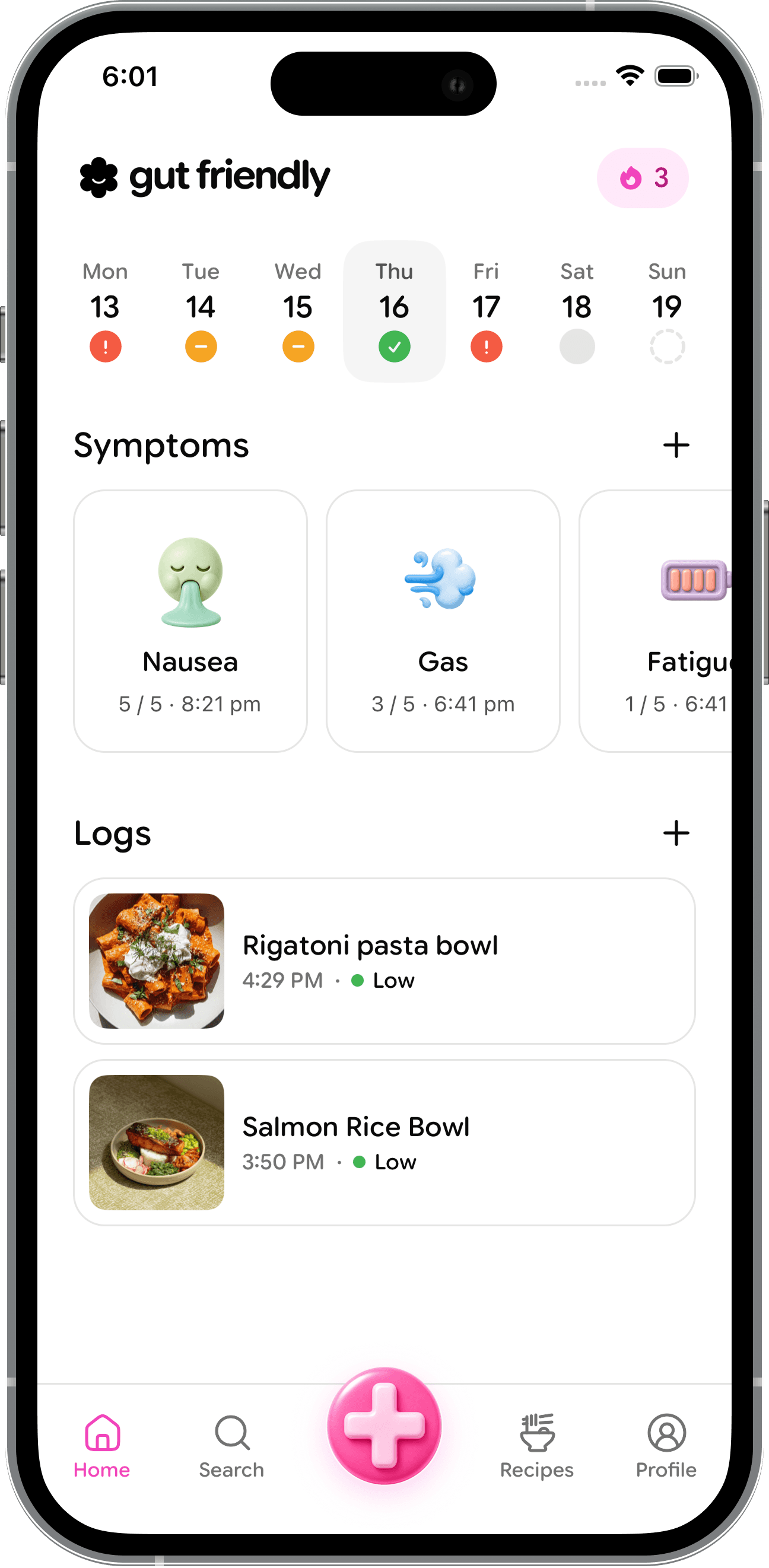
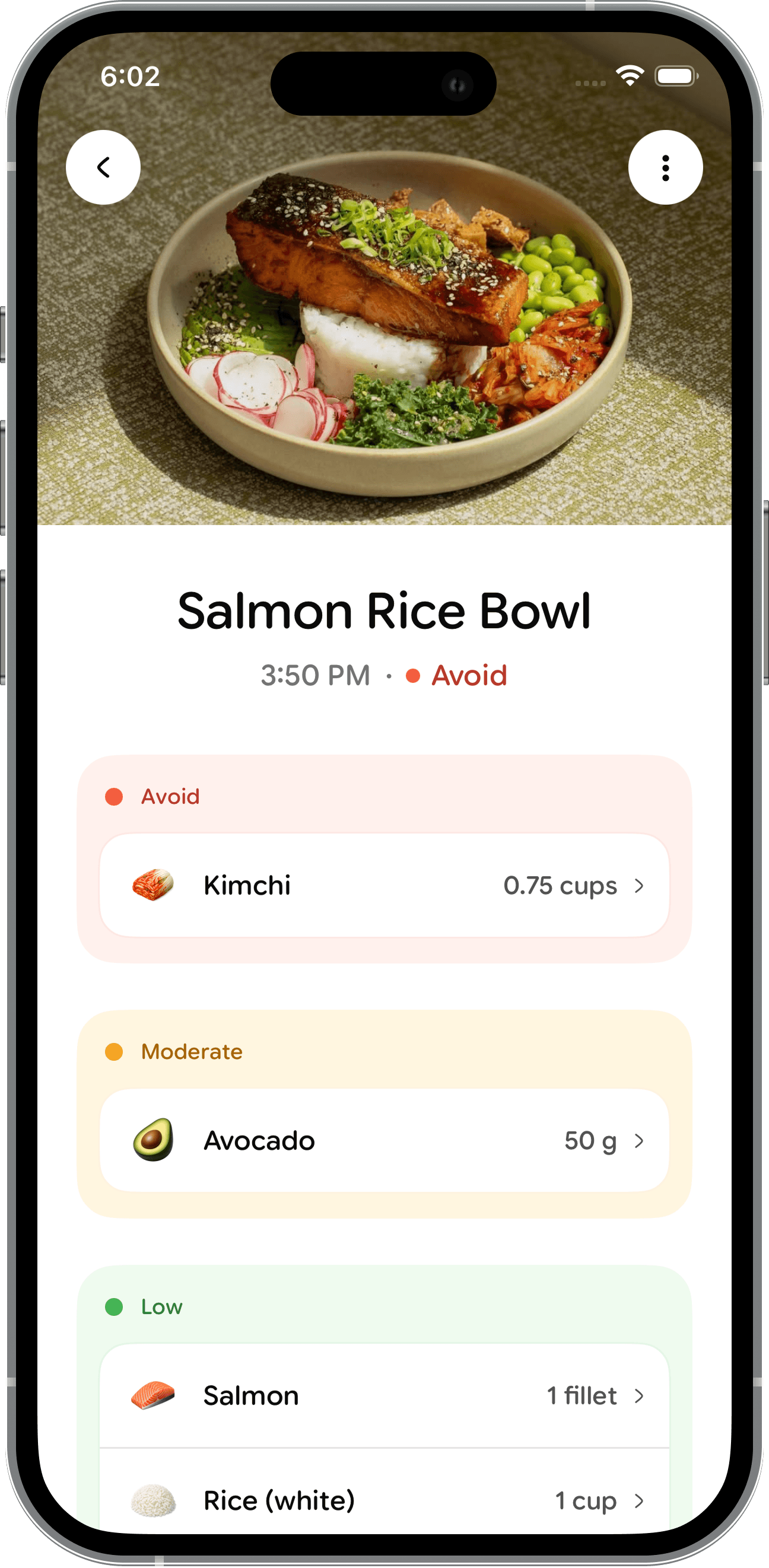
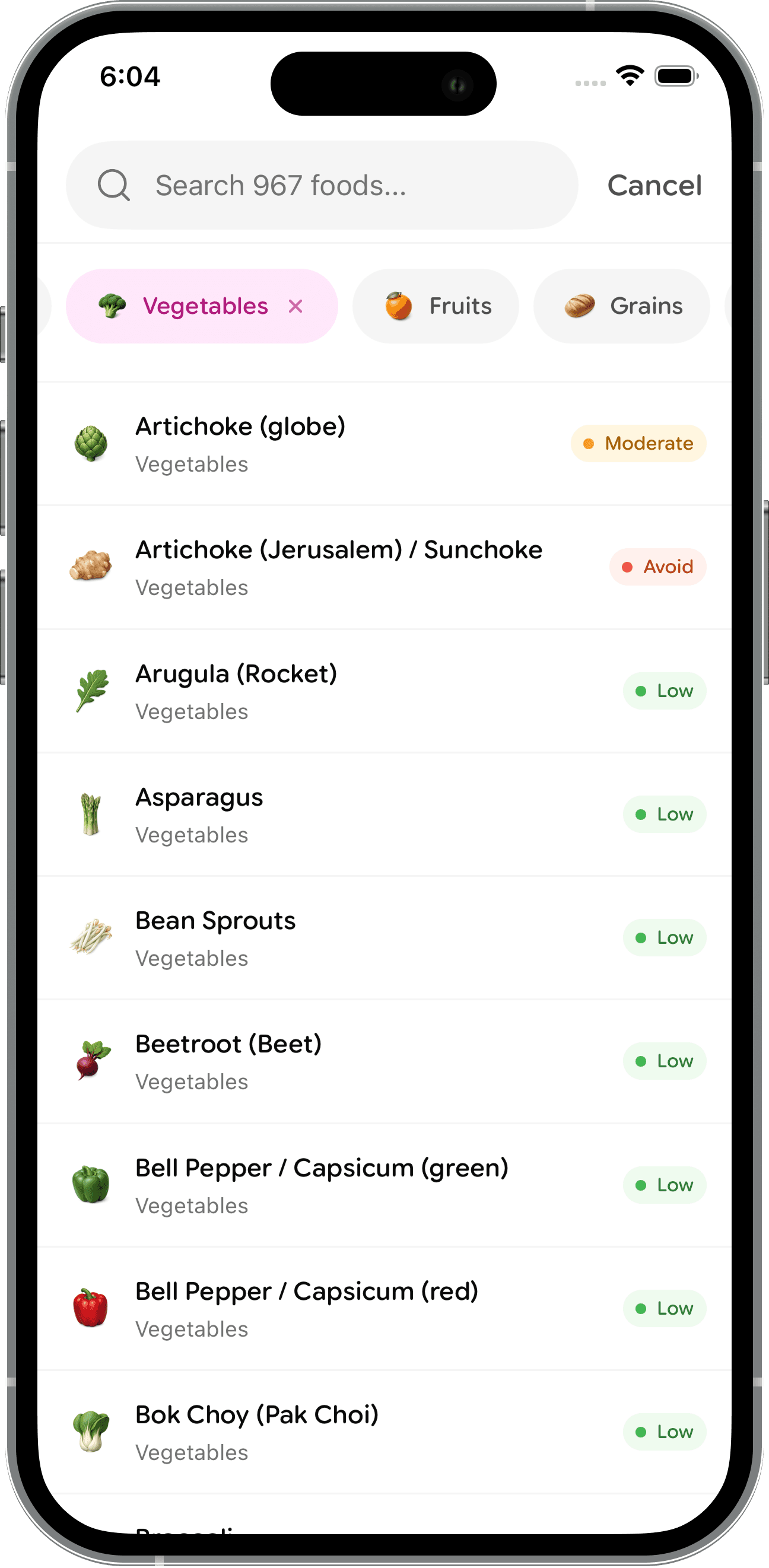
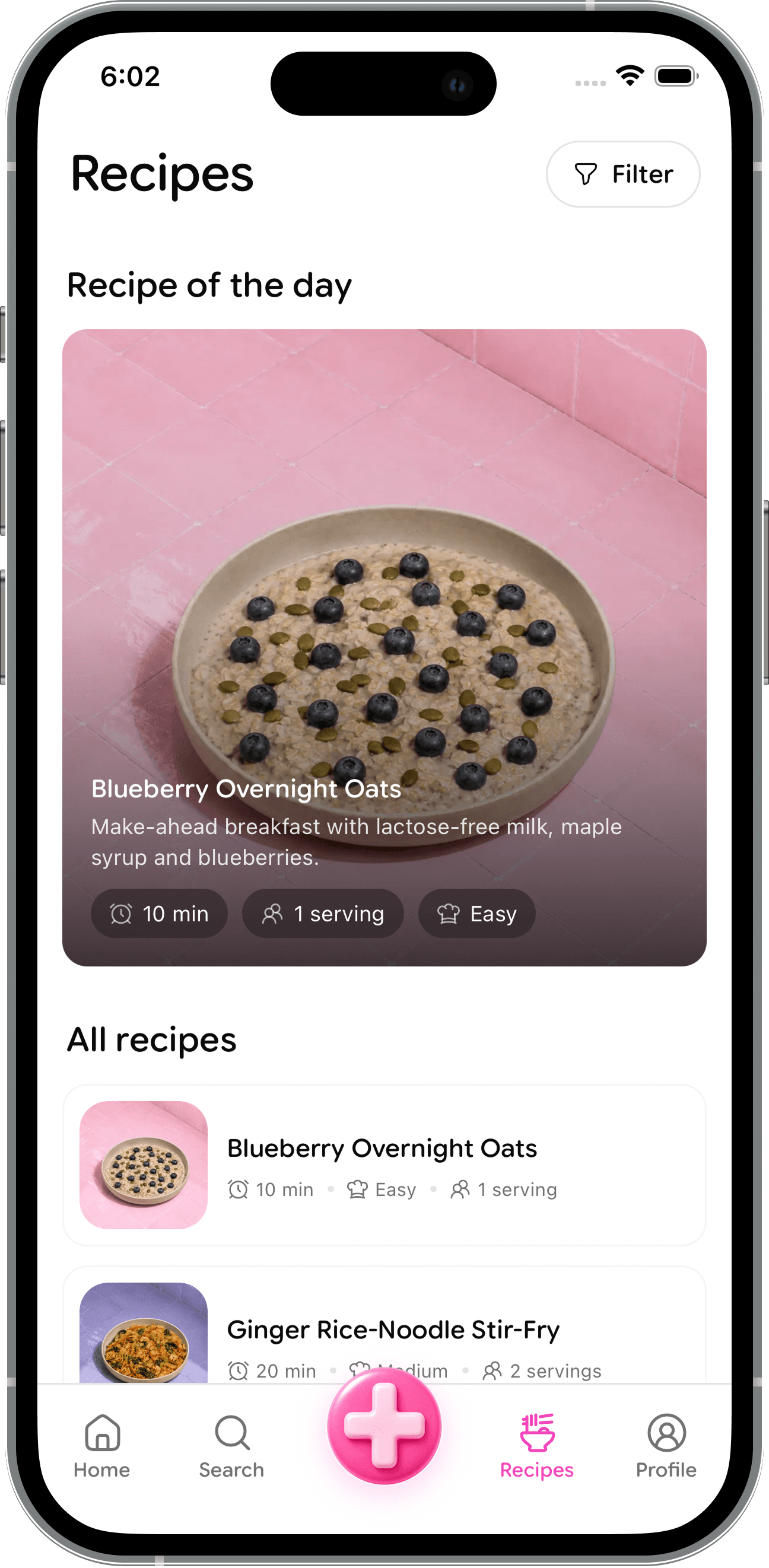

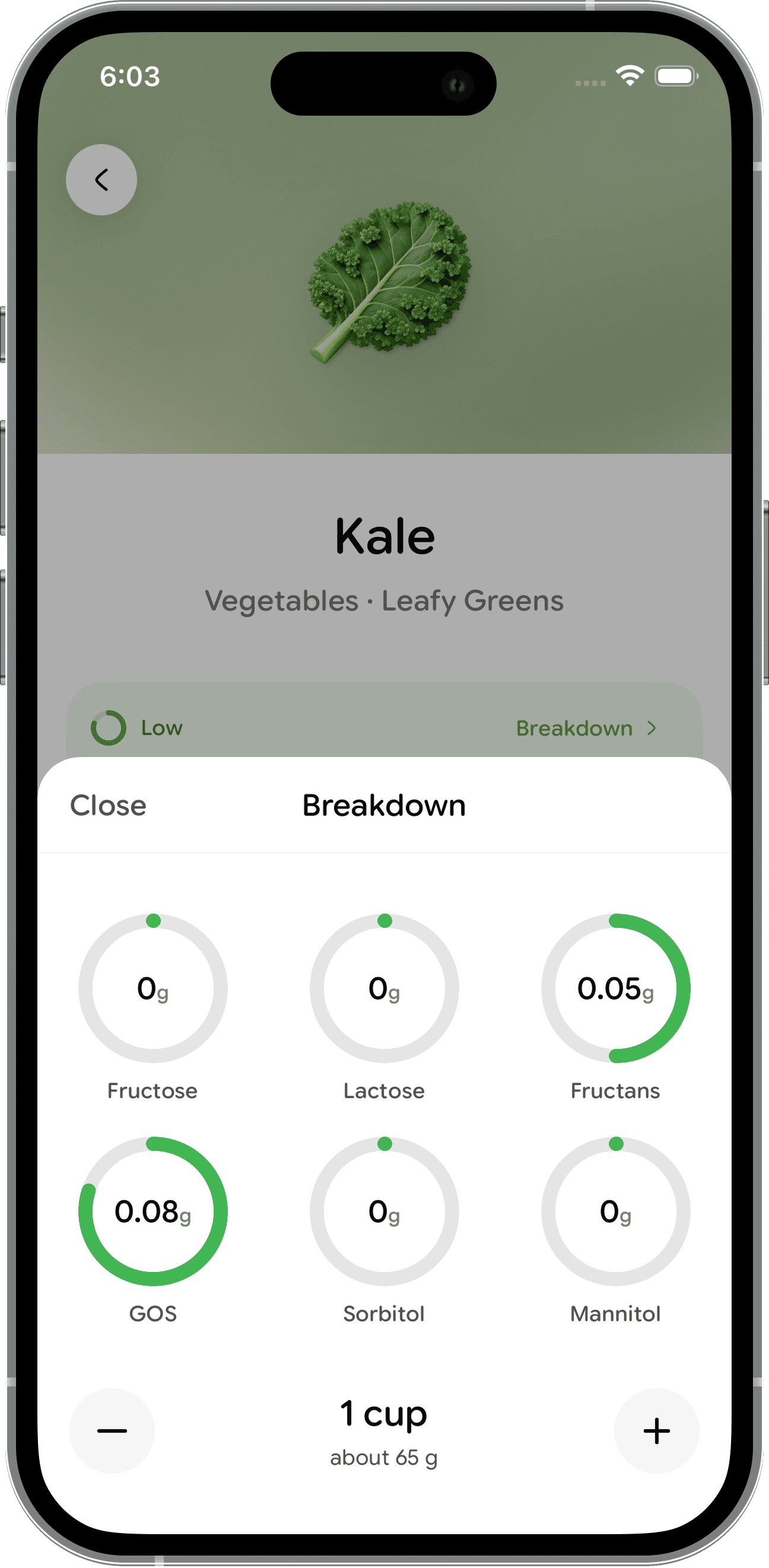
Check a whole plate in seconds.
Not sure about a whole meal? Scan it with the Gut Friendly app.
Get the appRelated foods


Sources and editorial notes
- Monash: FODMAP food groups
Nut-group background only.