


Almond Meal
Grains · Flours
Almond meal has a low FODMAP reference of 33 g. The 39 g reference is moderate and 48 g is high.
Serving sizes for almond meal
Almond meal: 33 g low, 39 g moderate and 48 g high. Reference portions are not exact transition cutoffs.

Reference portions
Select an amount or rating to update your portion. These are reference portions, not exact cut-offs or recommended intakes.| Serving | Amount | FODMAP rating |
|---|---|---|
| 1/3 cup | ||
| 0.41 cups | ||
| 1/2 cup |
Is almond meal low FODMAP?
Almond meal uses its own 33 g low reference. Do not substitute the weight limit for almond butter or whole nuts.
Almond Meal and IBS: what to know
For almond meal, record the amount you actually eat rather than only the name of the food. The 33 g reference describes this preparation, not a personal tolerance limit. Nut FODMAPs include GOS and fructans. Food-group background.
Gut-friendly ways to eat almond meal
For baking, weigh the almond meal for the whole recipe and divide by the number of equal portions. Compare whole almonds using its own serving guide.
Frequently asked questions
What is the low FODMAP portion for almond meal?
The low reference is 33 g, approximately 1/3 cup. The moderate reference is 39 g and the high reference is 48 g.
Can I use the same portion for a different preparation?
This guide describes almond meal. Use the separate guide for whole almonds rather than transferring this portion.
How should I measure a shared recipe?
Measure the total amount of almond meal before combining it with the other ingredients, then divide by the number of equal portions. Keep the 33 g low reference in mind for each portion.

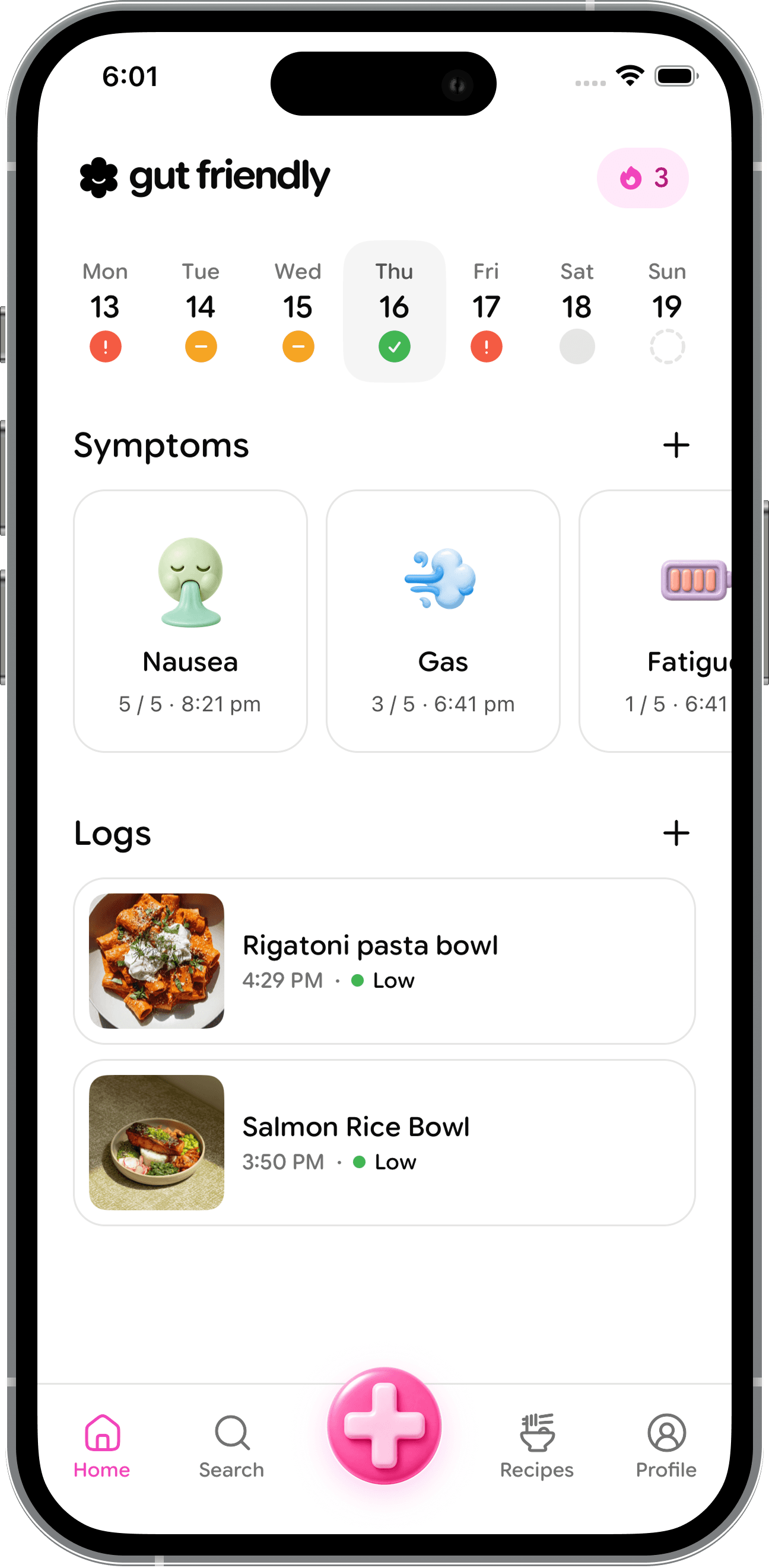
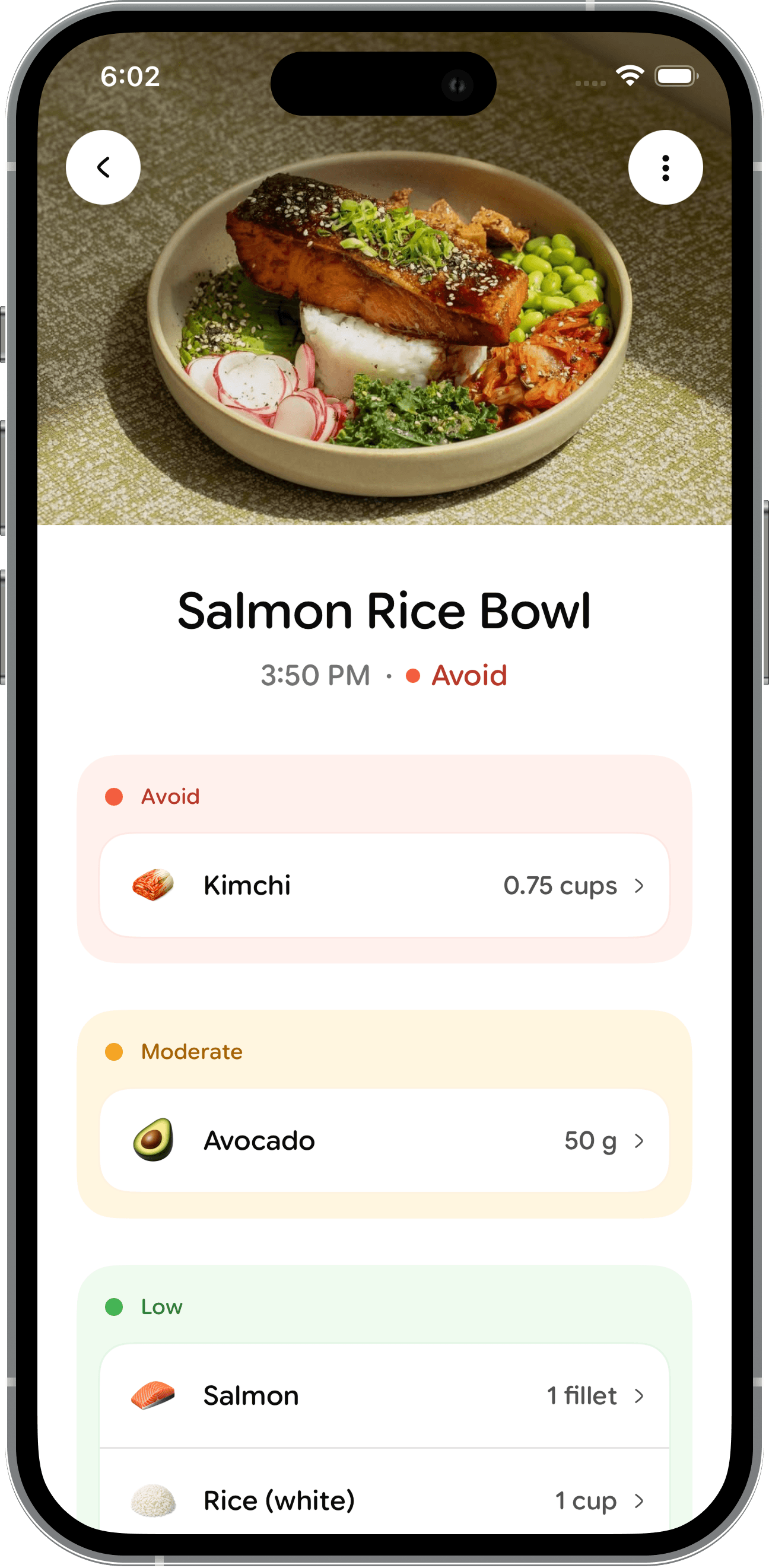
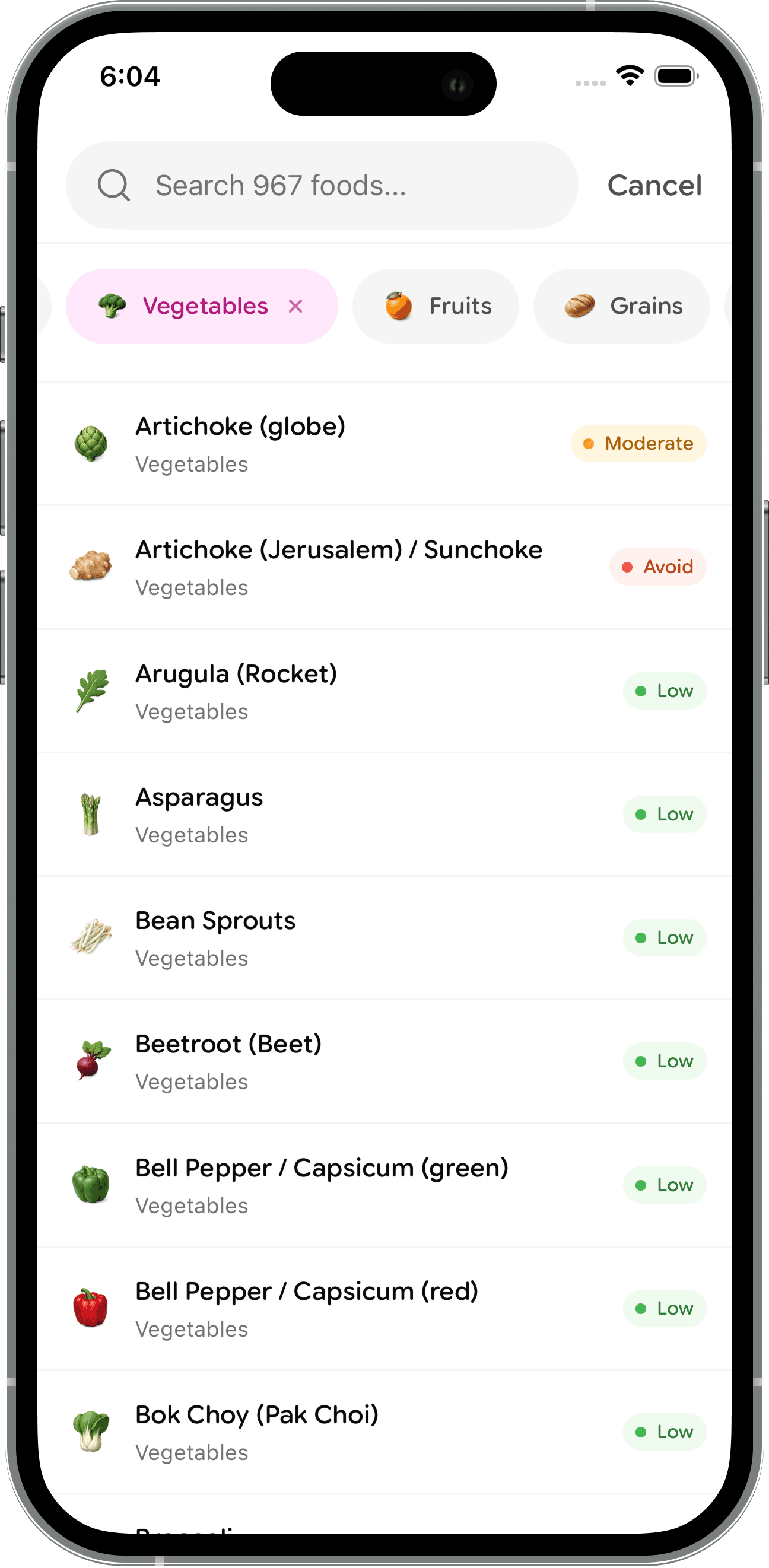
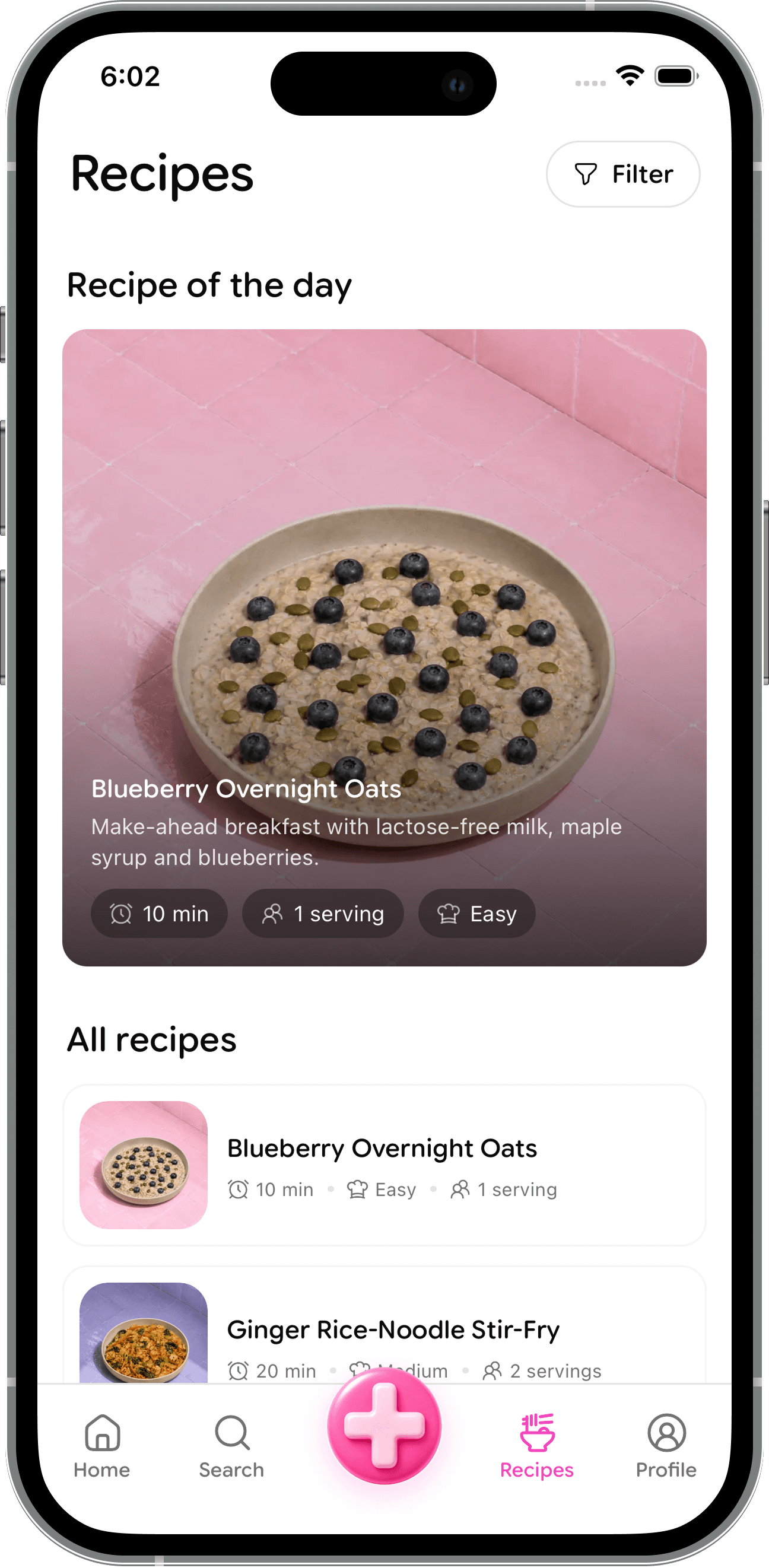
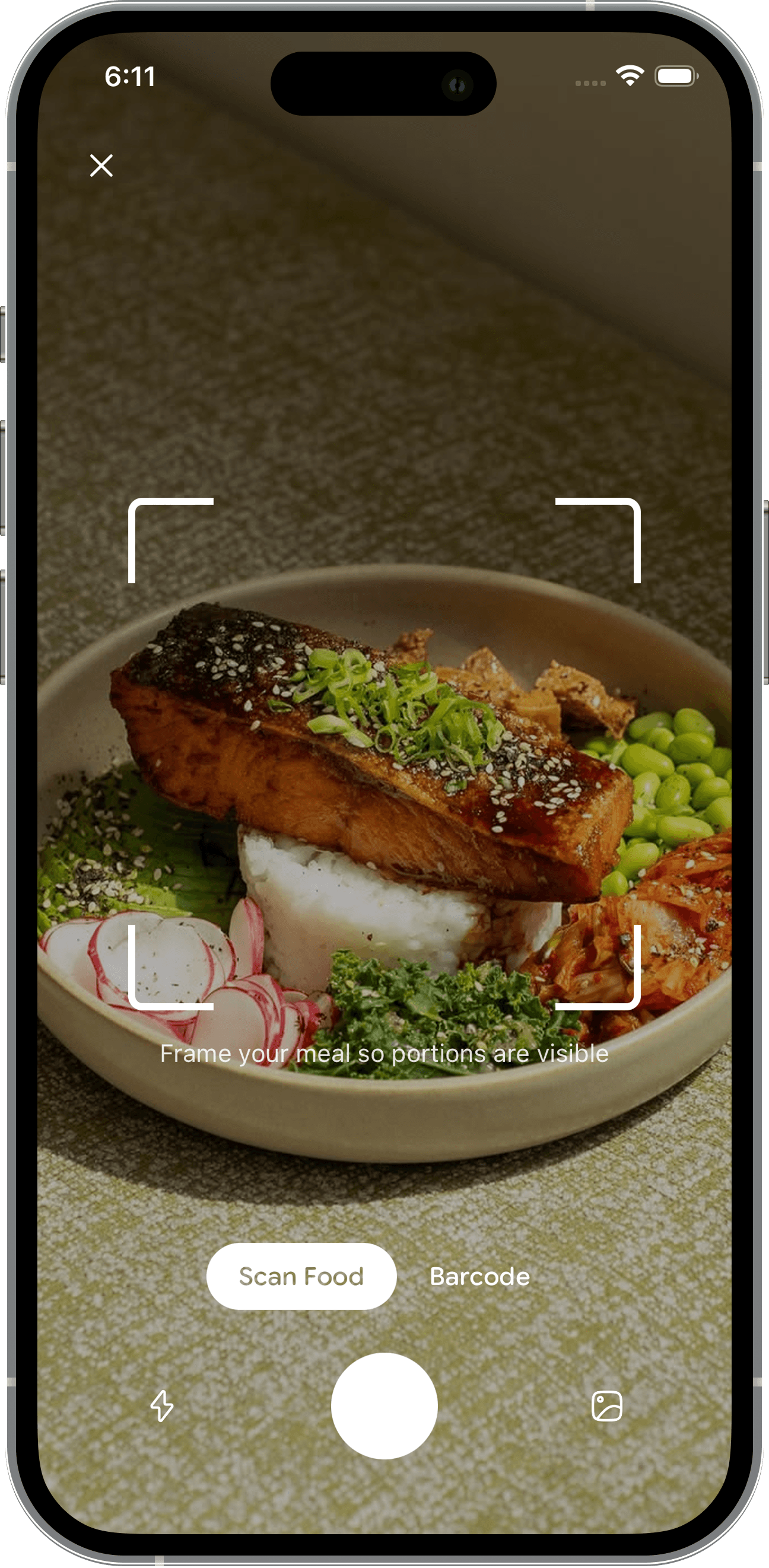
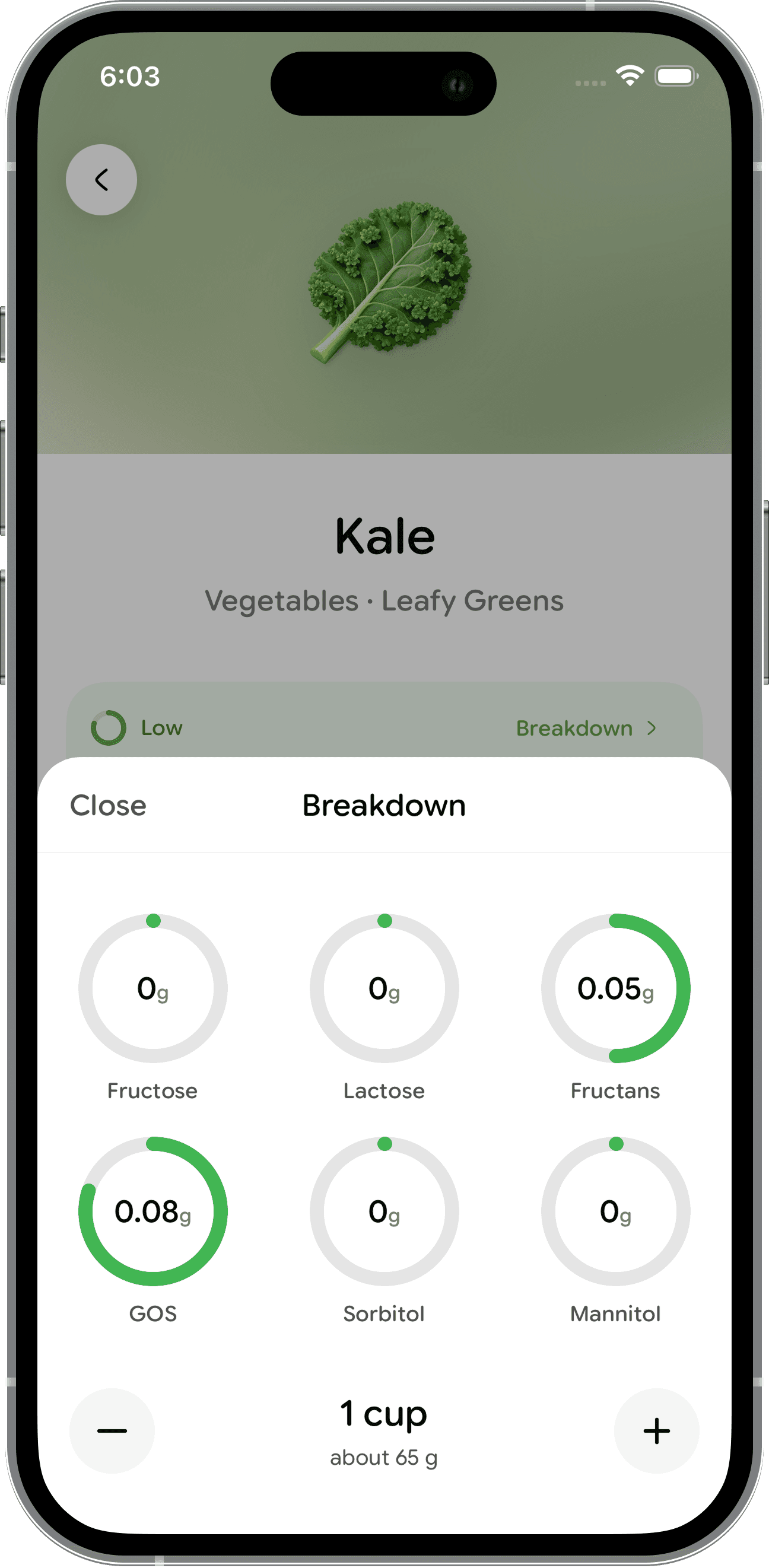
Check a whole plate in seconds.
Not sure about a whole meal? Scan it with the Gut Friendly app.
Get the appRelated foods


Sources and editorial notes
- Monash: FODMAP food groups
Nut-group background only.