


Turnip
Vegetables · Root Vegetables
Raw peeled white turnip has a low FODMAP reference of 75 g. The 93 g reference is moderate and 135 g is high. These are listed reference portions, not exact transition cutoffs.
Serving sizes for turnip
75 g low; 93 g moderate; 135 g high. Use the stated raw preparation.

Reference portions
Select an amount or rating to update your portion. These are reference portions, not exact cut-offs or recommended intakes.| Serving | Amount | FODMAP rating |
|---|---|---|
| 1/2 medium | ||
| 2/3 medium | ||
| 1 medium |
Is turnip low FODMAP?
At 75 g, all listed FODMAP components are low. At 93 g, sorbitol and GOS are moderate. At 135 g, GOS is moderate; sorbitol is high. Compare the separate variety and preparation guides before substituting another food.
Turnip and IBS: what to know
Peel the white turnip before weighing the raw portion. The 75 g reference is about half a medium turnip, but individual roots vary in size. Supporting background: Monash: Food processing and FODMAPs. Background on variation and preparation; does not establish the numerical references here.
Gut-friendly ways to eat turnip
Track the peeled turnip separately in a mash with white potato, or compare parsnip. Swede is a separate entry with an unpeeled weighing basis.
Frequently asked questions
What is the low FODMAP portion of raw peeled white turnip?
The low reference is 75 g; the moderate reference is 93 g and the high reference is 135 g. Match the preparation and use the gram weight.
Is swede the same preparation as white turnip?
No. This guide uses peeled white turnip, while the swede guide uses raw unpeeled swede. Keep the preparation with the weight.
Should I use the cooked weight?
These references describe raw peeled white turnip. Keep the starting raw ingredient weight for a cooked recipe; no raw-to-cooked conversion is established here.

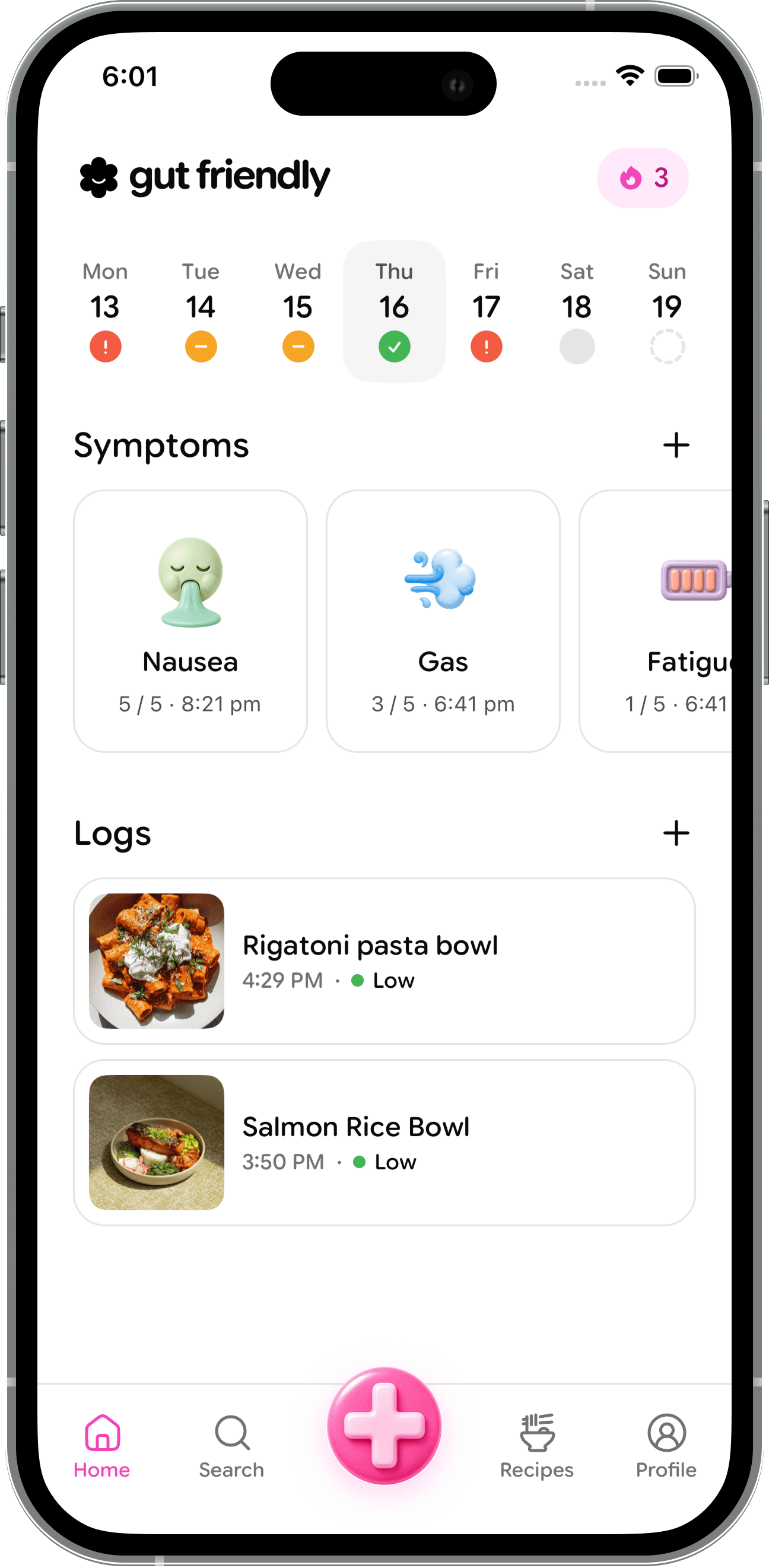
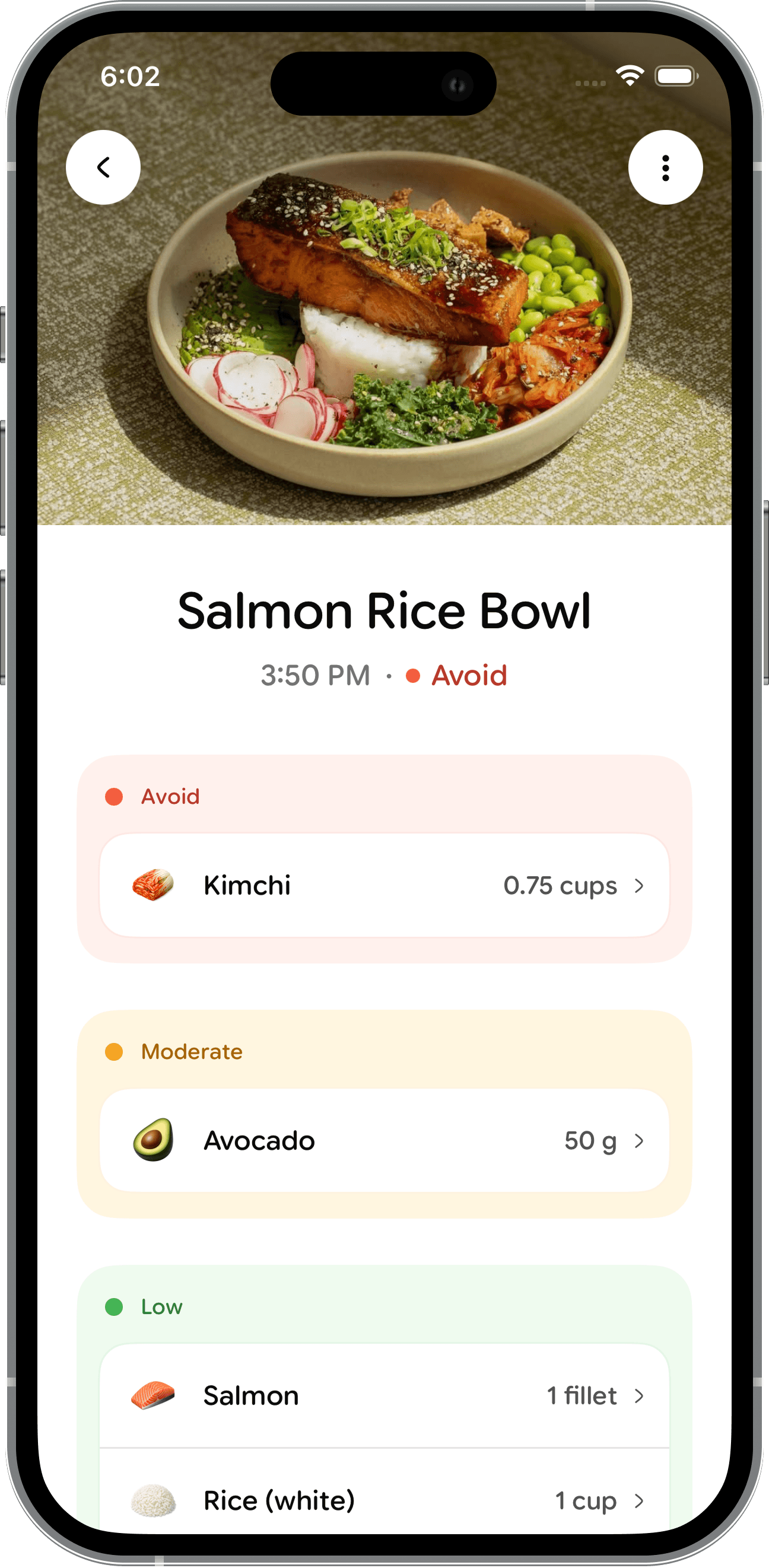
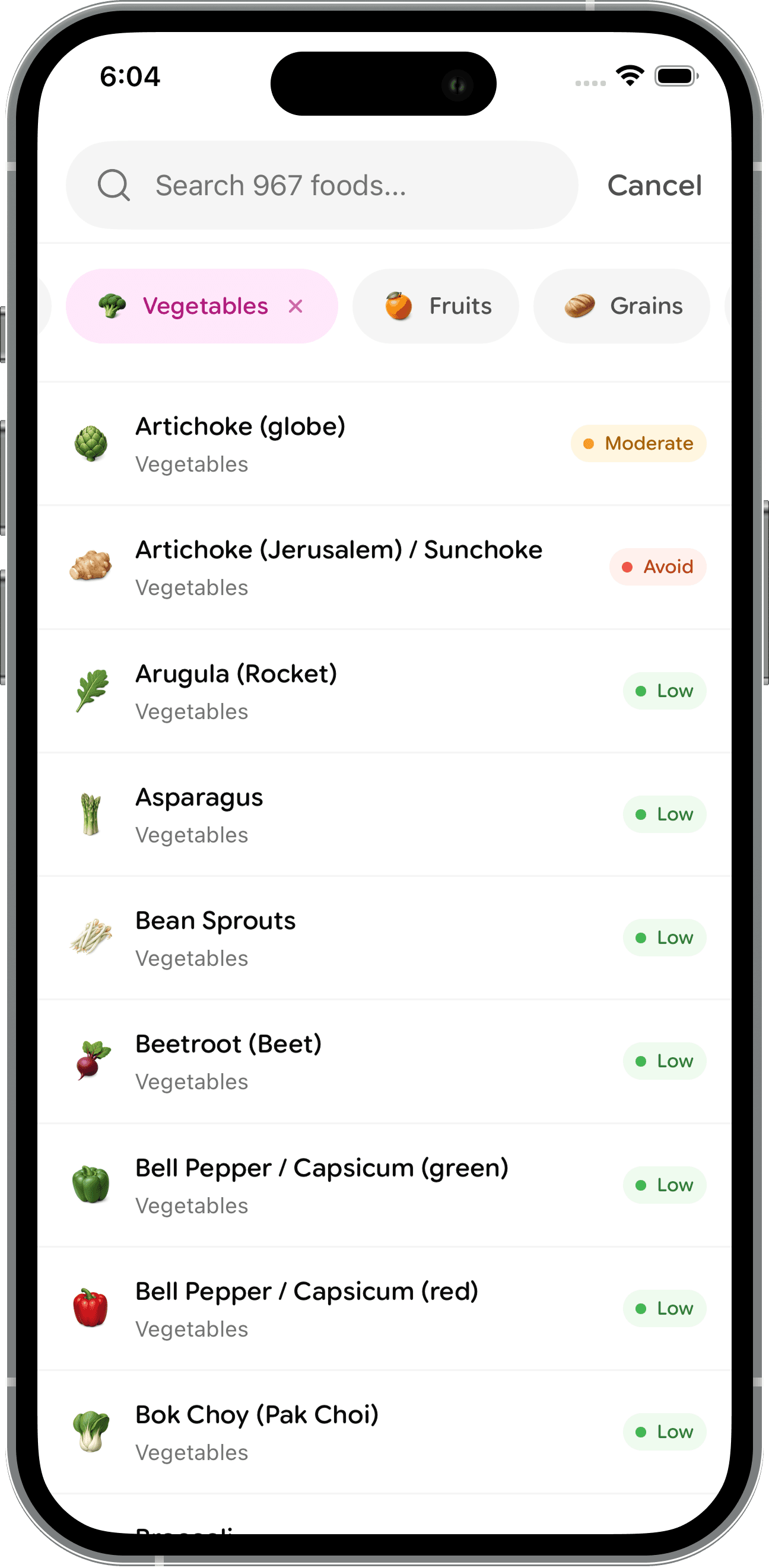


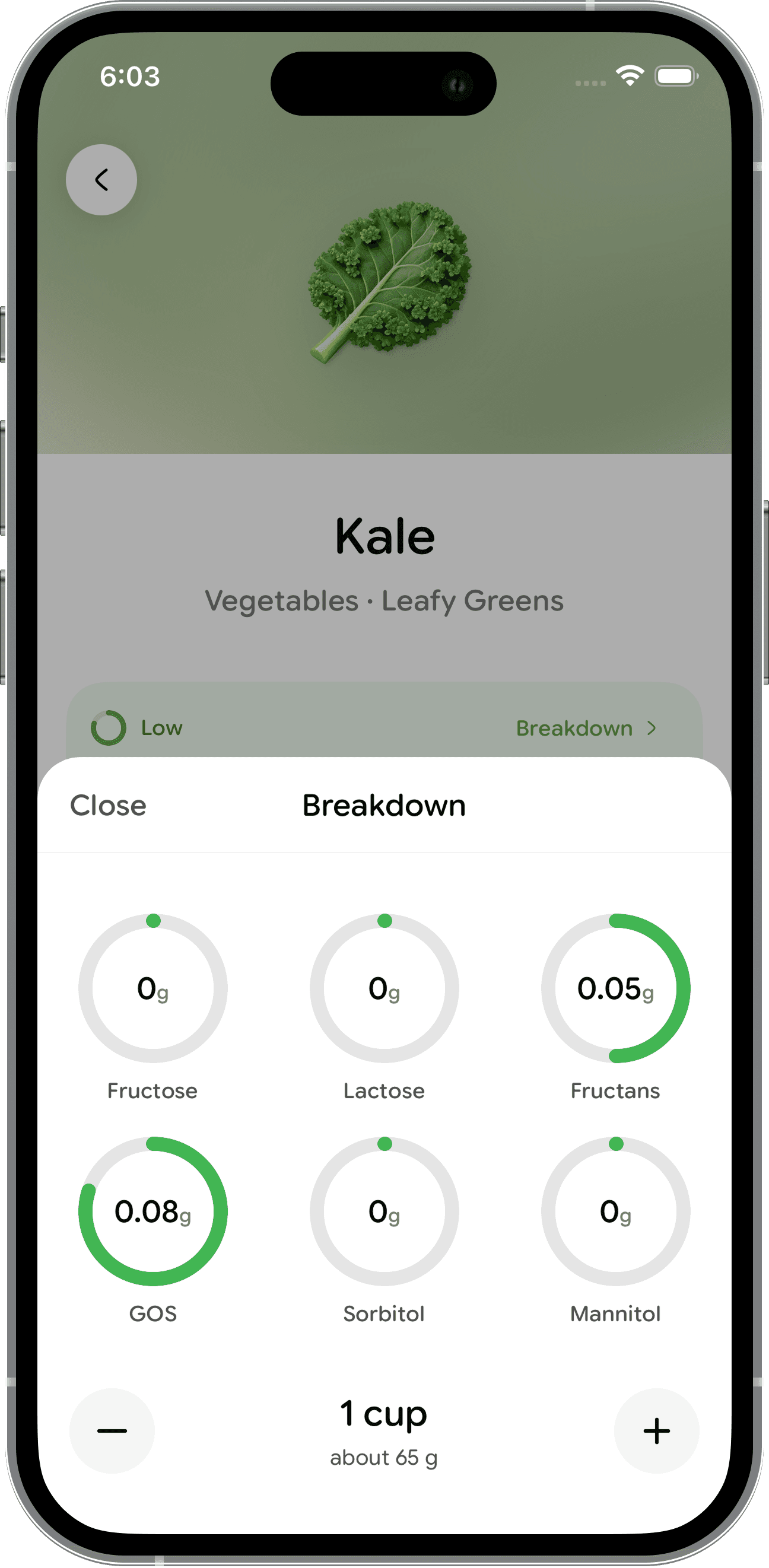
Check a whole plate in seconds.
Not sure about a whole meal? Scan it with the Gut Friendly app.
Get the appRelated foods


Sources and editorial notes
- Monash: Food processing and FODMAPs
Background on variation and preparation; does not establish the numerical references here.