


Spaghetti Squash
Vegetables · Squash
Spaghetti Squash: the low FODMAP reference is 75 g. Measure squash, spaghetti, peeled, cooked after cooking. Dry and cooked weights are not interchangeable.
Serving sizes for spaghetti squash
Squash, spaghetti, peeled, cooked: 75 g low, 388 g moderate, 488 g high. Use the stated preparation and unit.

Reference portions
Select an amount or rating to update your portion. These are reference portions, not exact cut-offs or recommended intakes.| Serving | Amount | FODMAP rating |
|---|---|---|
| 75 g reference portion | ||
| 388 g reference portion | ||
| 488 g reference portion |
Is spaghetti squash low FODMAP?
The references for squash, spaghetti, peeled, cooked are 75 g low, 388 g moderate, 488 g high. They are comparison portions, not exact transition cutoffs or personal tolerance limits.
Spaghetti Squash and IBS: what to know
For spaghetti squash, keep the exact form and amount in mind. Portion size and preparation affect how food references should be compared. Monash: FODMAP questions and food preparation. This public source supplies background, not verification of the numerical table.
Gut-friendly ways to eat spaghetti squash
Measure squash, spaghetti, peeled, cooked after cooking. Dry and cooked weights are not interchangeable. Compare Pumpkin (Japanese/Kent), Swiss Chard (Silverbeet). These guides describe their own preparations and portions.
Frequently asked questions
What is the FODMAP portion for spaghetti squash?
Spaghetti Squash: 75 g low, 388 g moderate, 488 g high. These values apply to squash, spaghetti, peeled, cooked.
How should I measure or check spaghetti squash?
Measure squash, spaghetti, peeled, cooked after cooking. Dry and cooked weights are not interchangeable.
Which other guides are useful when comparing spaghetti squash?
Compare Pumpkin (Japanese/Kent), Swiss Chard (Silverbeet). These guides describe their own preparations and portions.

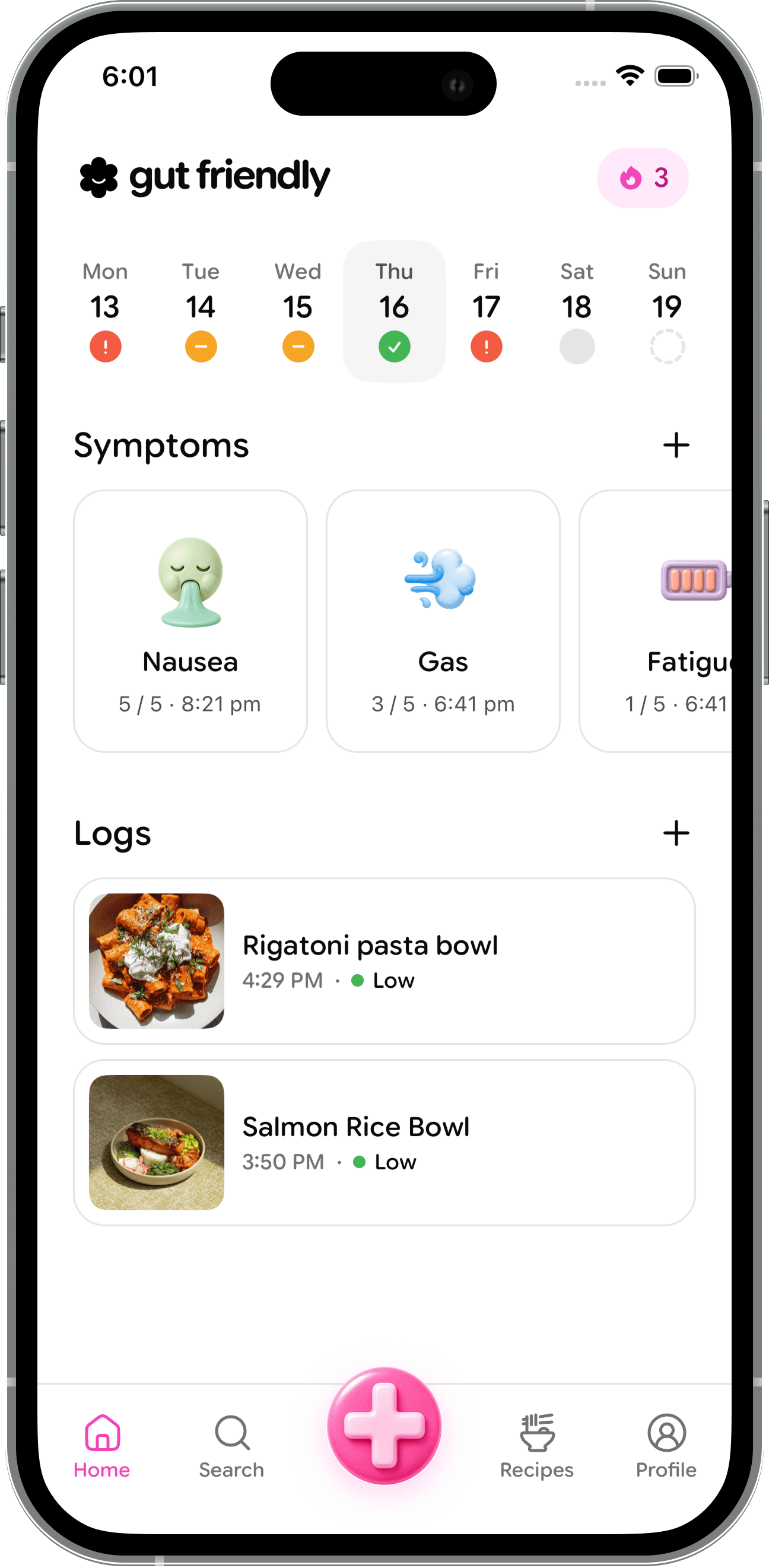
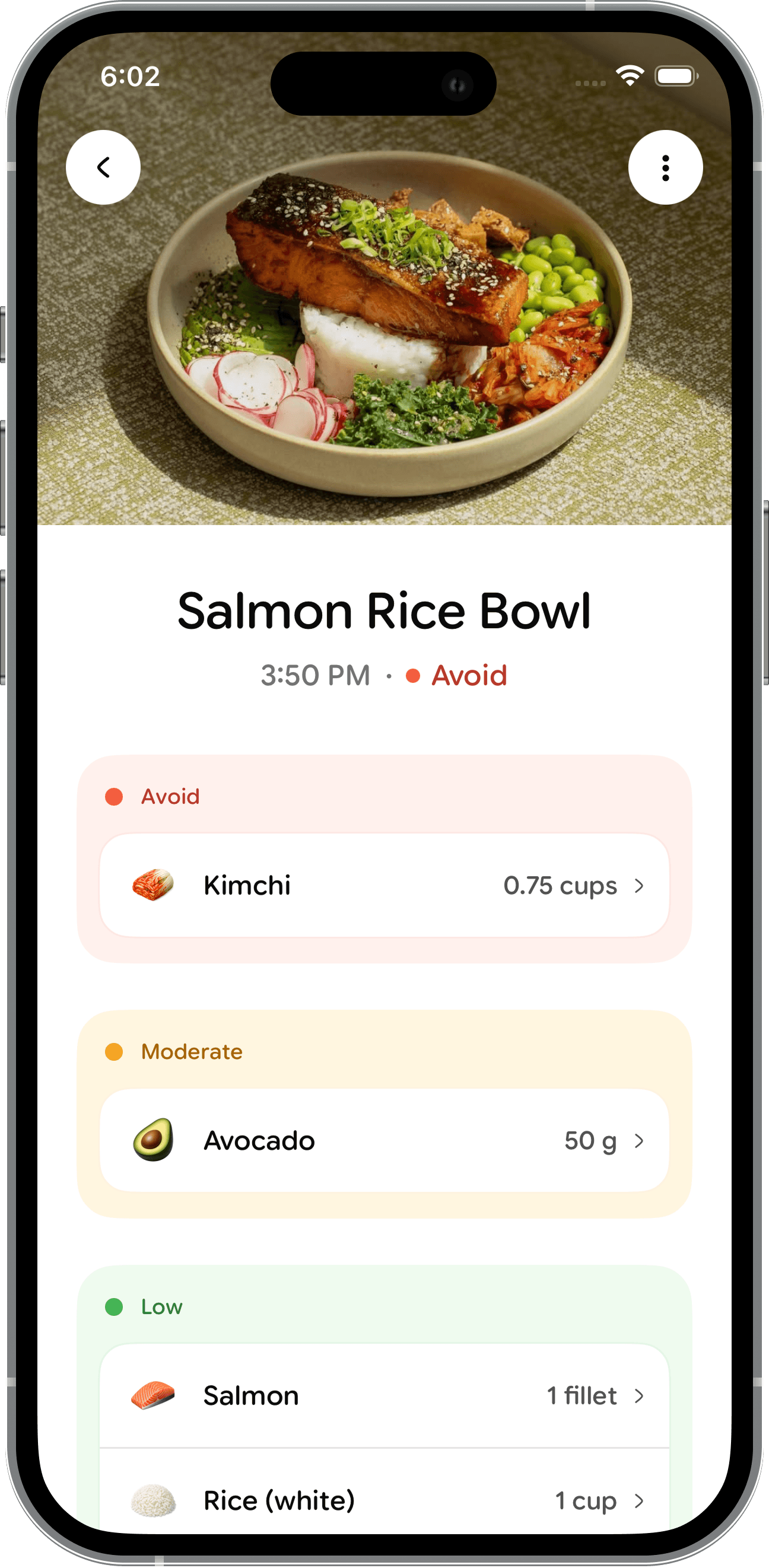
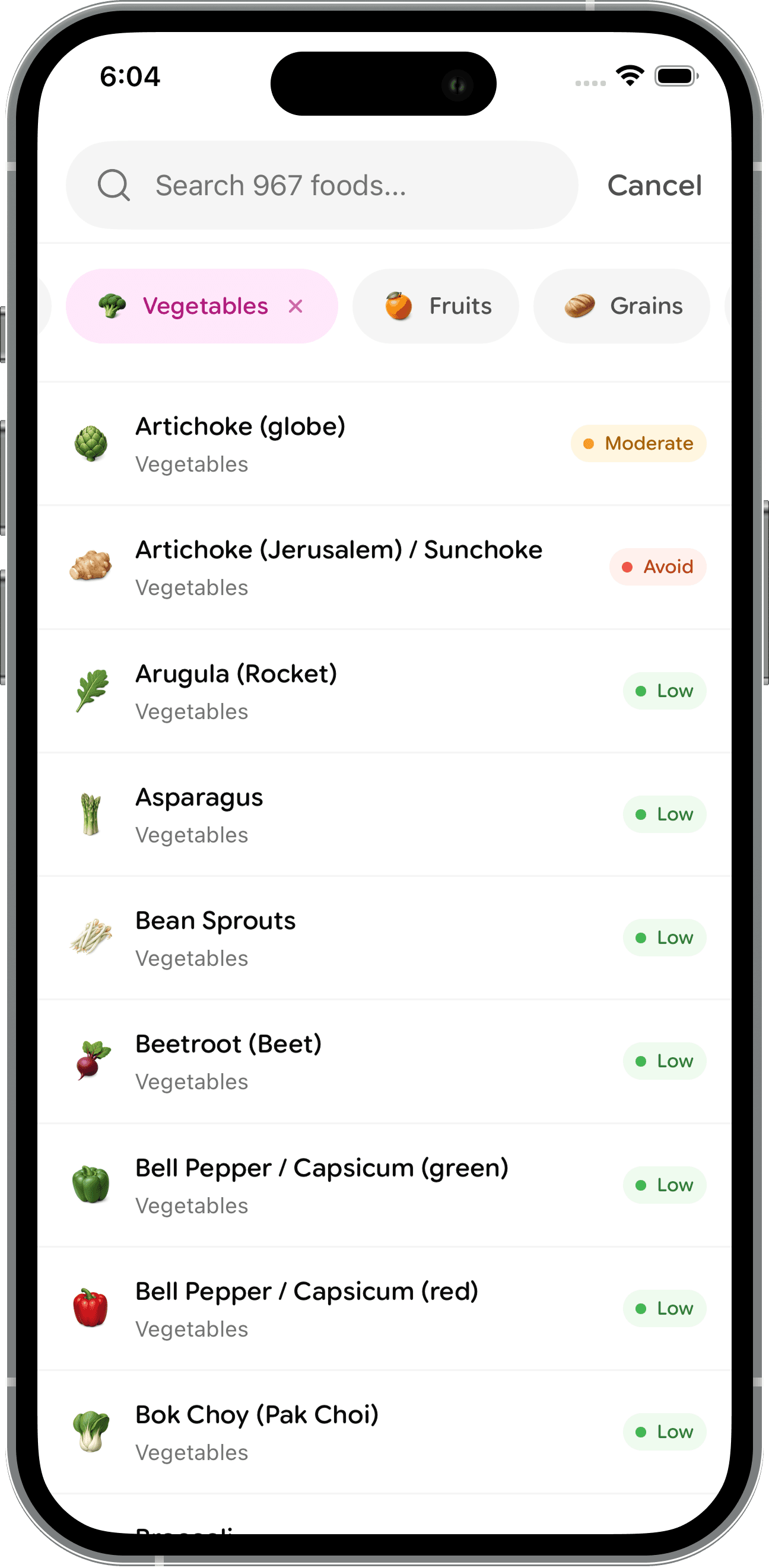
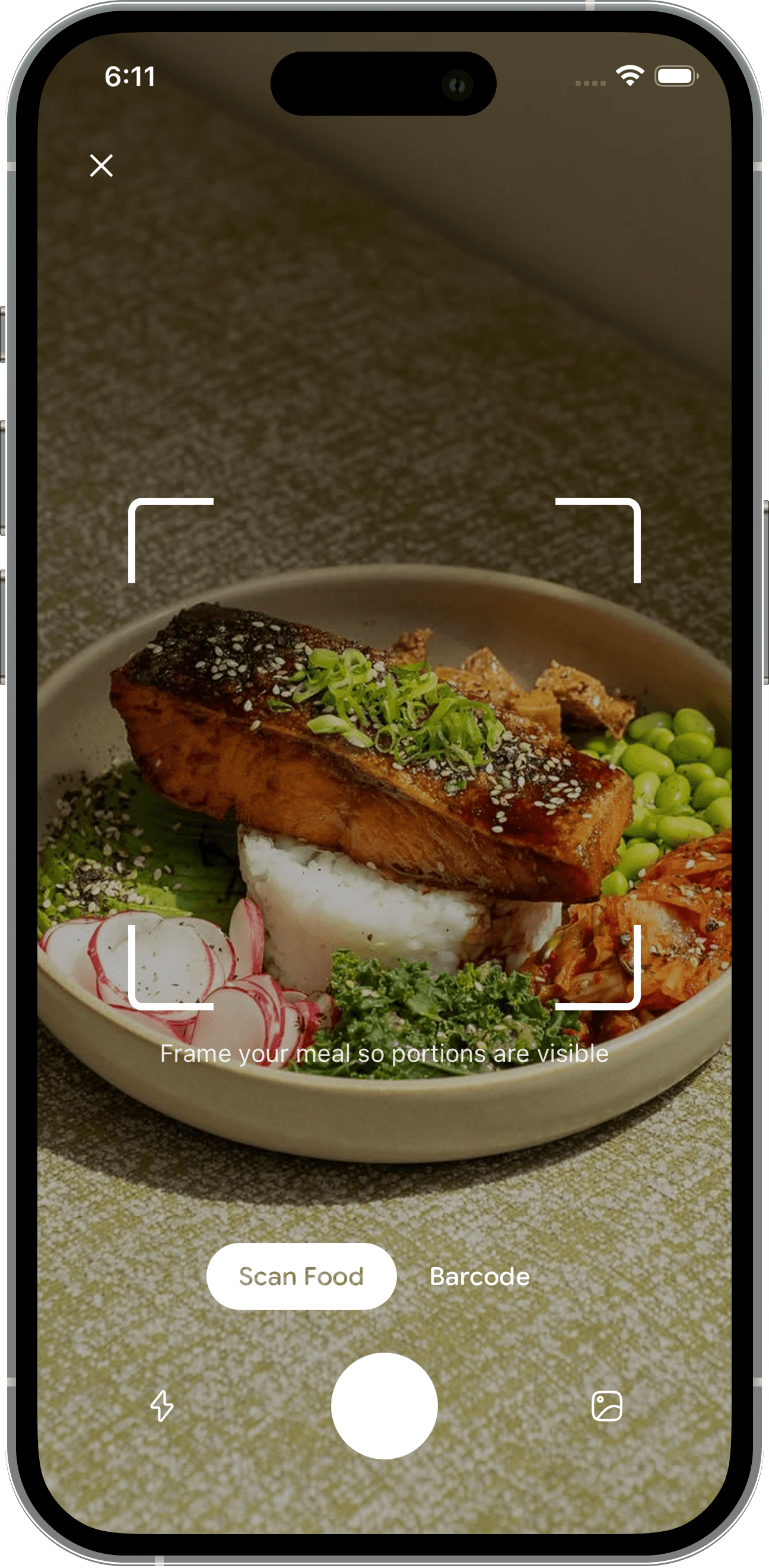
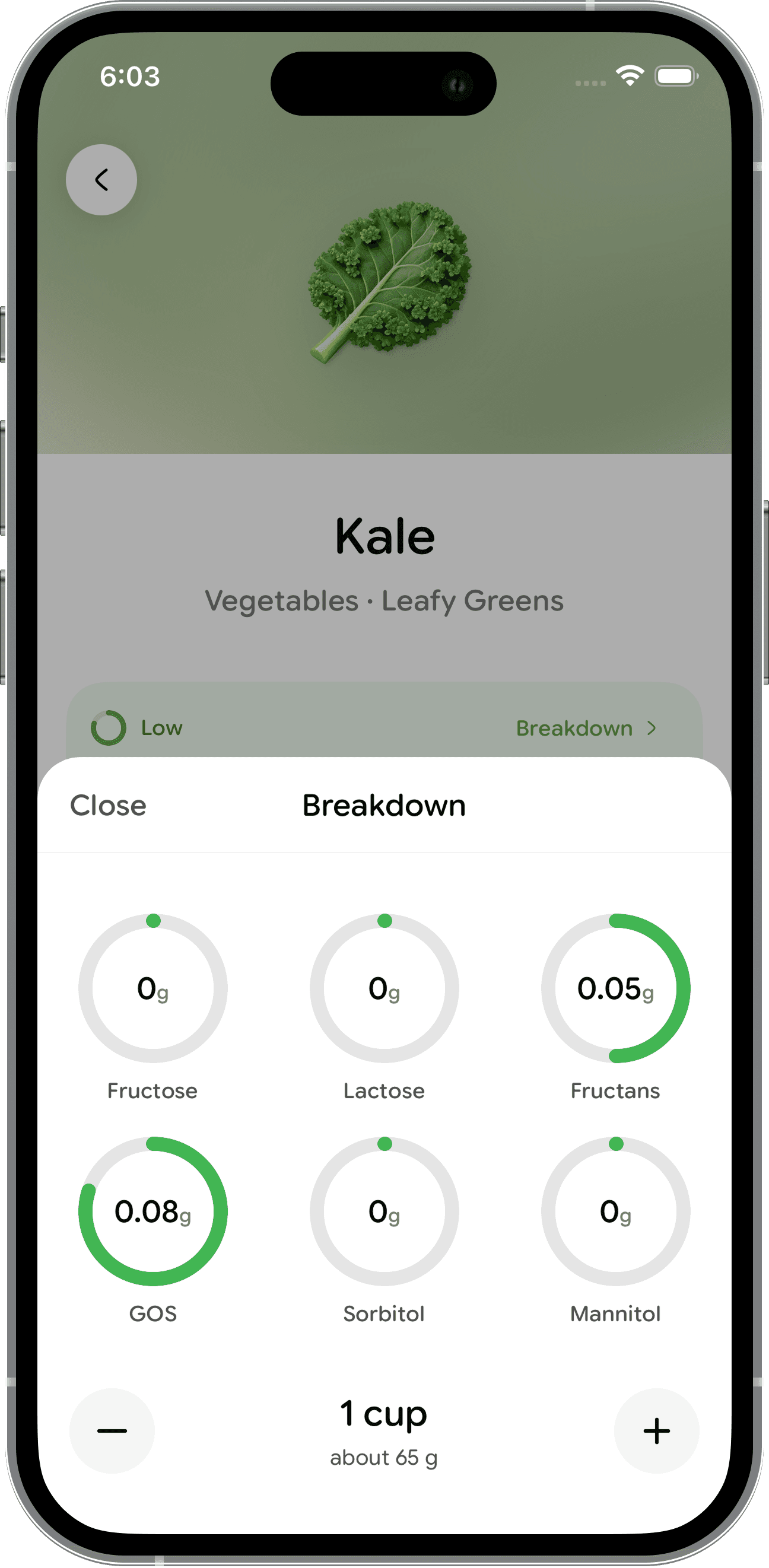
Check a whole plate in seconds.
Not sure about a whole meal? Scan it with the Gut Friendly app.
Get the appRelated foods


Sources and editorial notes
- Monash: FODMAP questions and food preparation
Explains FODMAPs, portion dependence and preparation differences; not a citation for this numerical reference table.