


Seitan (wheat gluten)
Legumes & Tofu · Tofu Tempeh
Prepared seitan and vital wheat gluten flour are different foods. The flour is an ingredient and its dry weight does not establish the portion for cooked seitan with seasonings.
Serving sizes for seitan (wheat gluten)
Verification pending for this exact preparation. A different ingredient, variety or product does not verify these numerical references.

Reference portions
Select an amount or rating to update your portion. These are reference portions, not exact cut-offs or recommended intakes.| Serving | Amount | FODMAP rating |
|---|---|---|
| 1 serving | ||
| Reference portion | Not available | |
| Reference portion | Not available |
Is seitan (wheat gluten) low FODMAP?
Prepared seitan and vital wheat gluten flour are different foods. The flour is an ingredient and its dry weight does not establish the portion for cooked seitan with seasonings. The existing numerical table remains unverified for this exact preparation.
Seitan (wheat gluten) and IBS: what to know
For seitan (wheat gluten), keep the exact form and amount in mind. Portion size and preparation affect how food references should be compared. Monash: FODMAP questions and food preparation. This public source supplies background, not verification of the numerical table.
Gut-friendly ways to eat seitan (wheat gluten)
Prepared seitan and vital wheat gluten flour are different foods. The flour is an ingredient and its dry weight does not establish the portion for cooked seitan with seasonings. Compare Vital Wheat Gluten Flour. These are different preparations, not verified equivalents of this entry.
Frequently asked questions
What needs to be confirmed for this food?
Identify the finished wheat-gluten product or recipe, seasoning and cooked weight, then match its reference.
Can the related foods use the same portion?
Prepared seitan and vital wheat gluten flour are different foods. The flour is an ingredient and its dry weight does not establish the portion for cooked seitan with seasonings. Compare Vital Wheat Gluten Flour. These are different preparations, not verified equivalents of this entry.

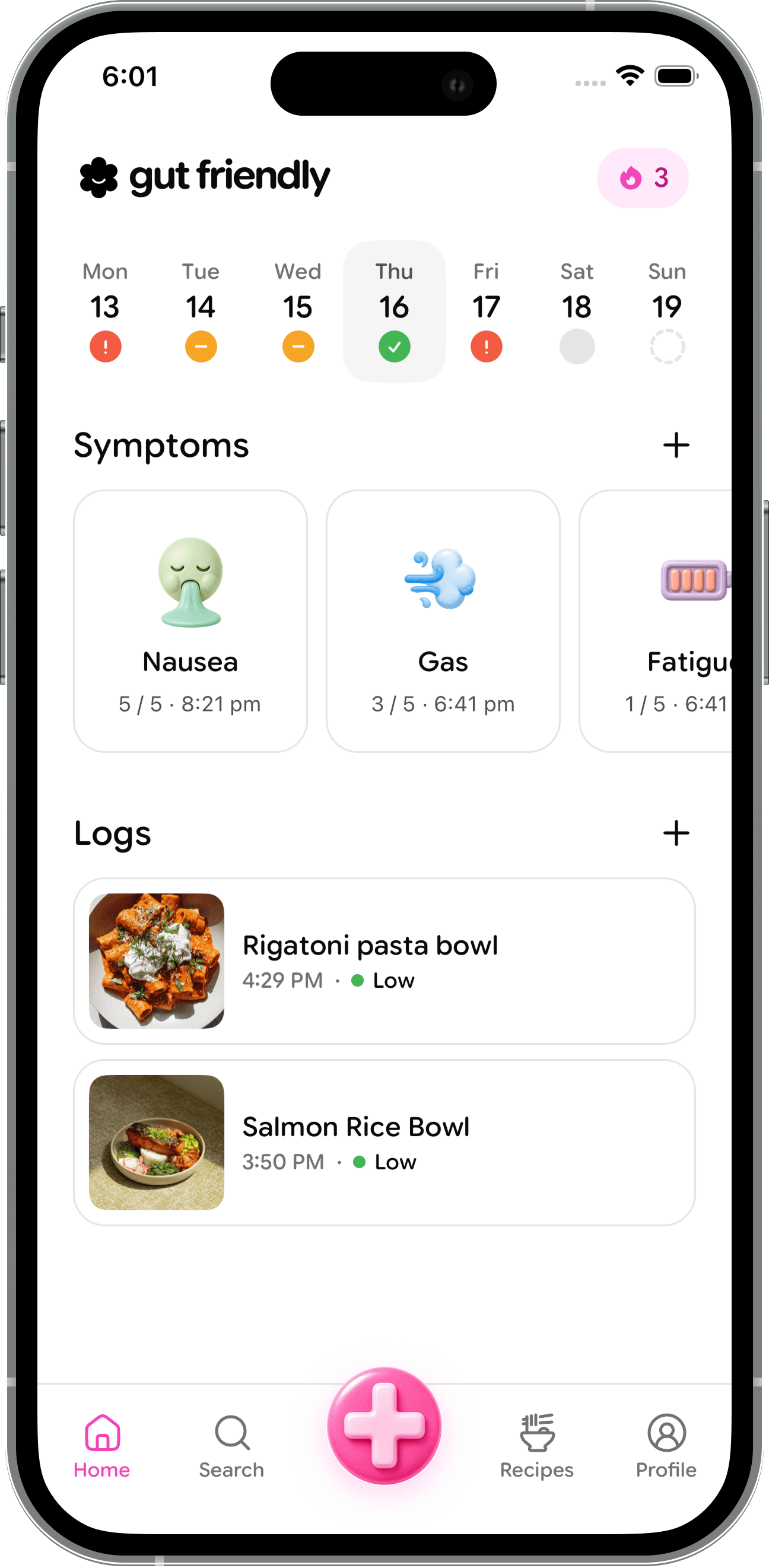
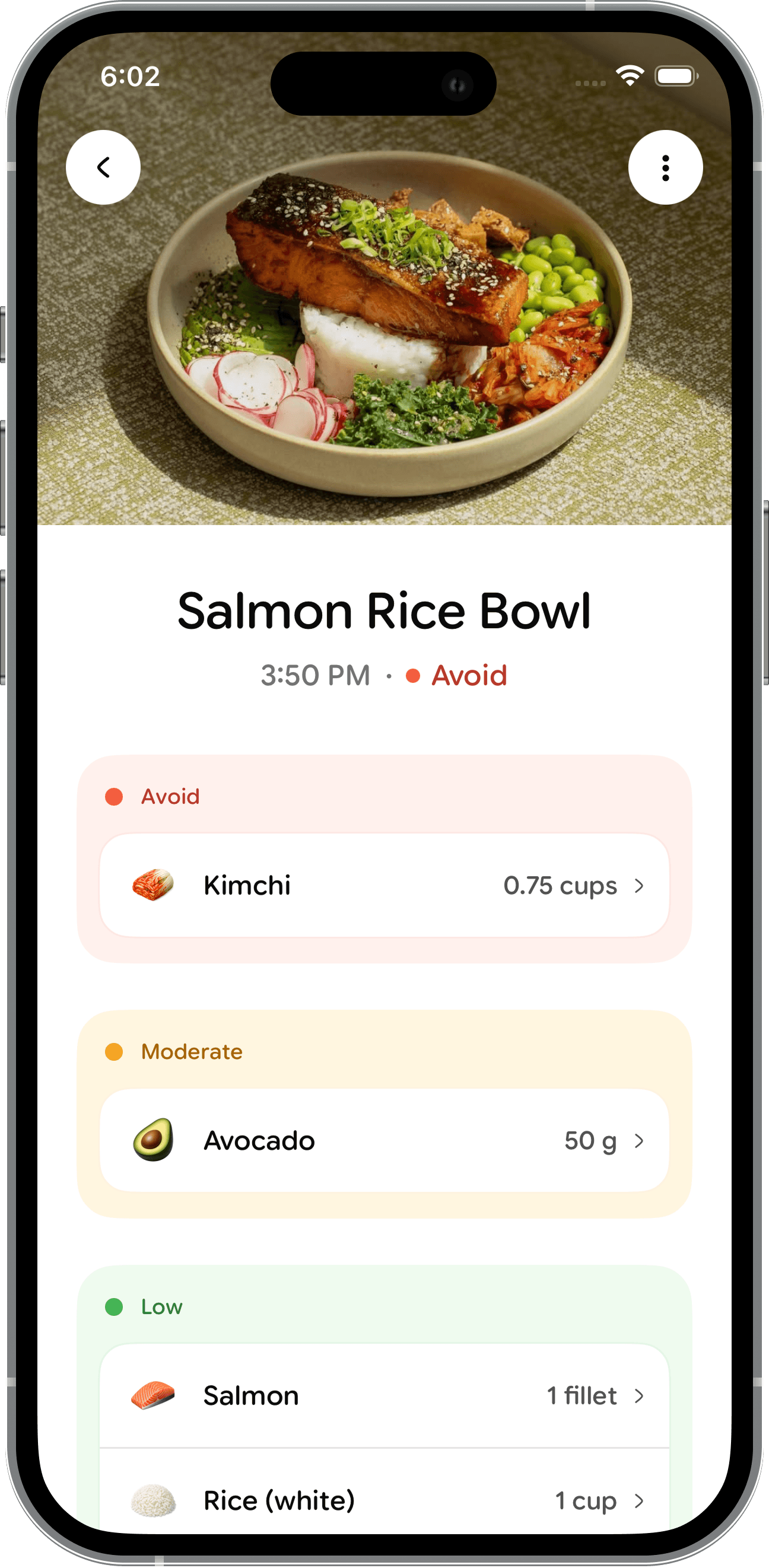
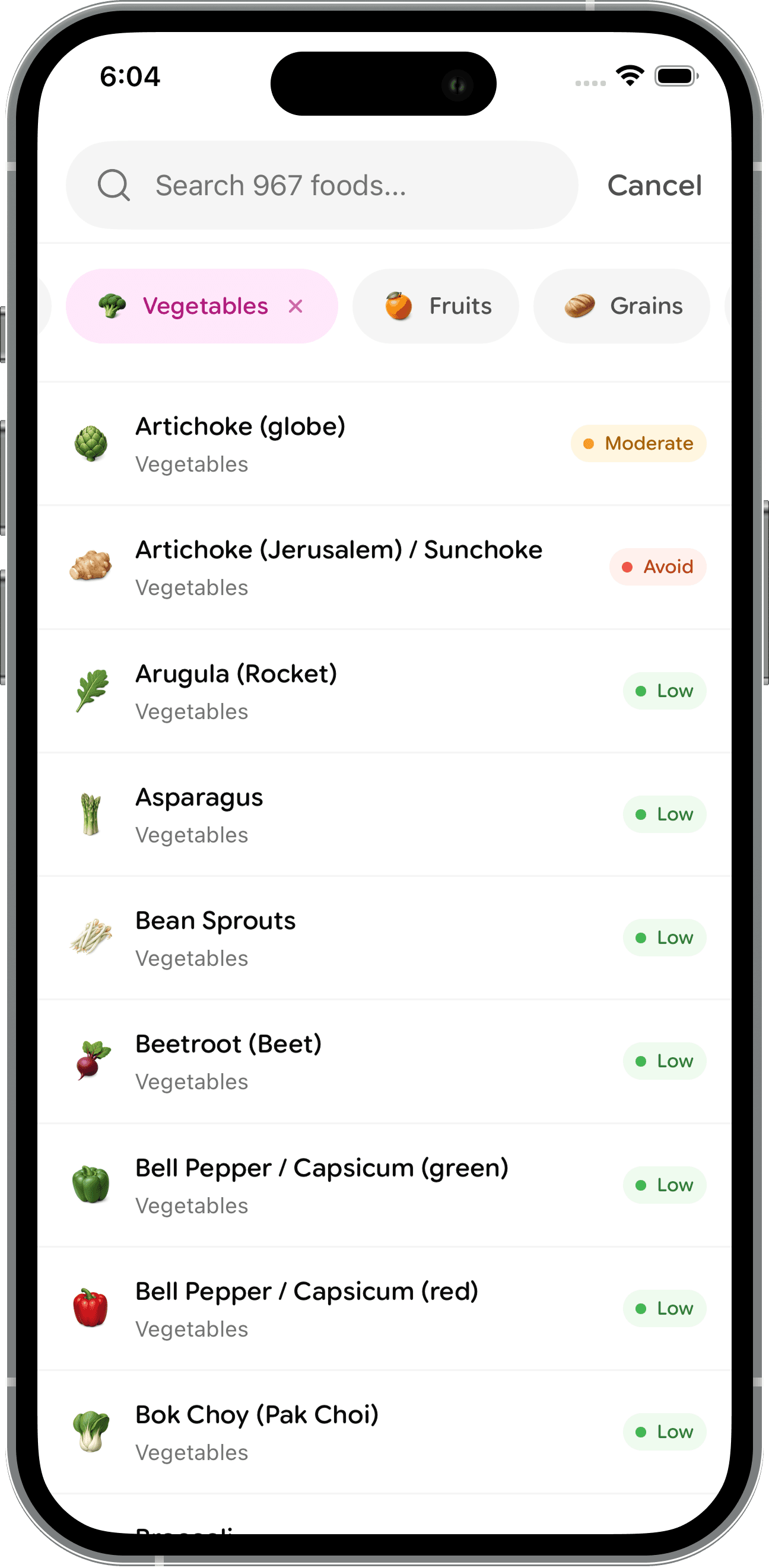
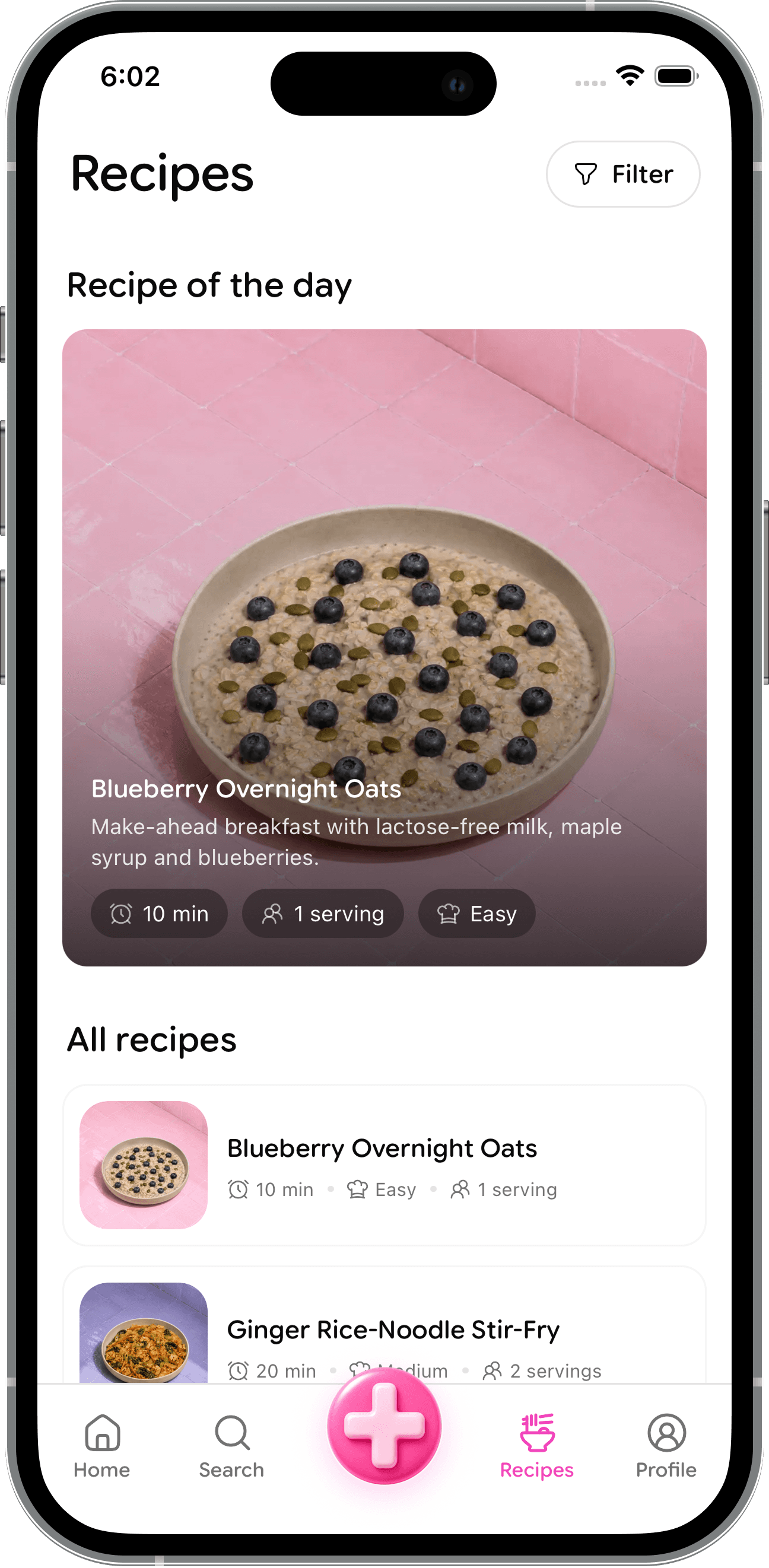
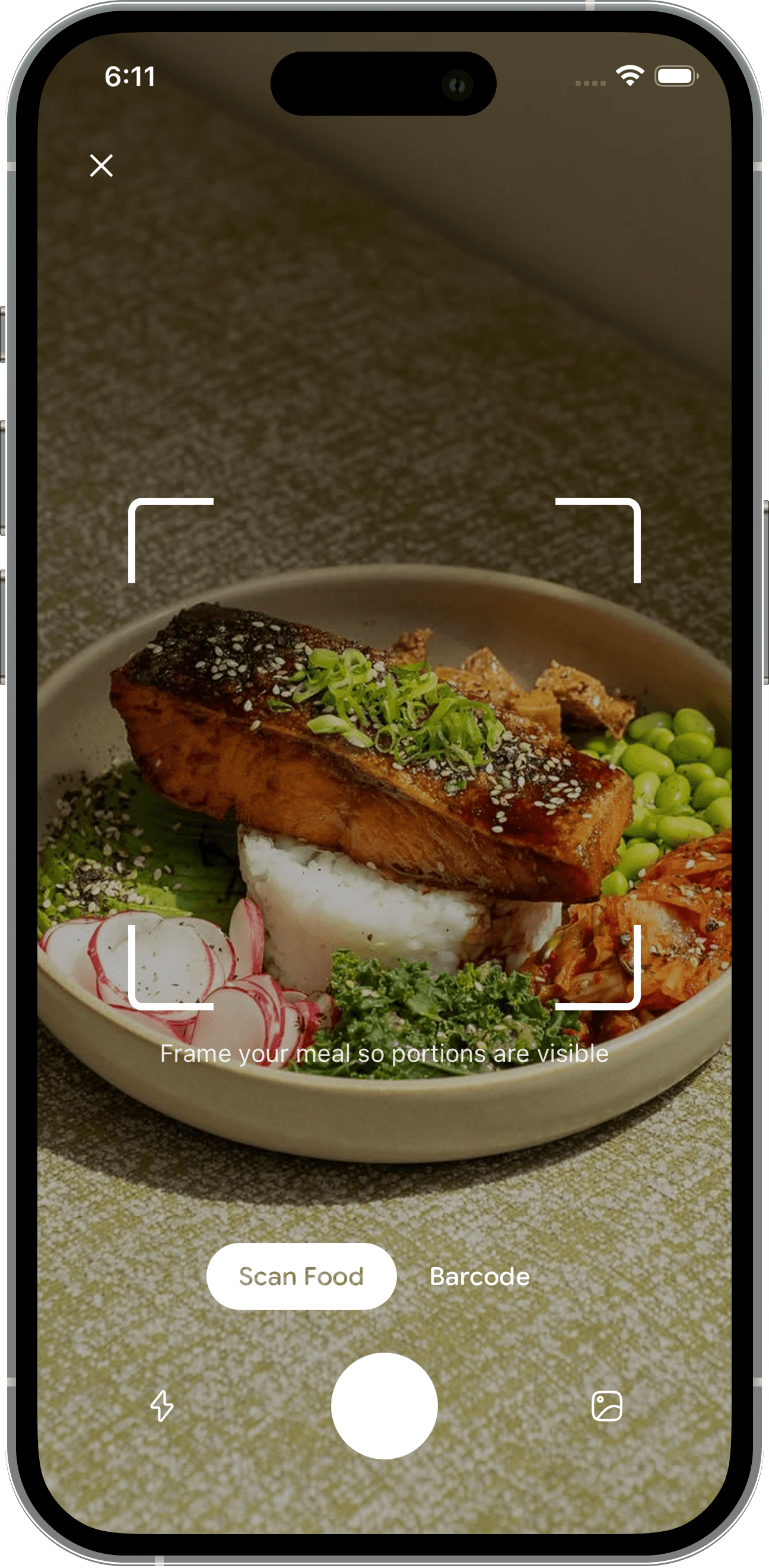
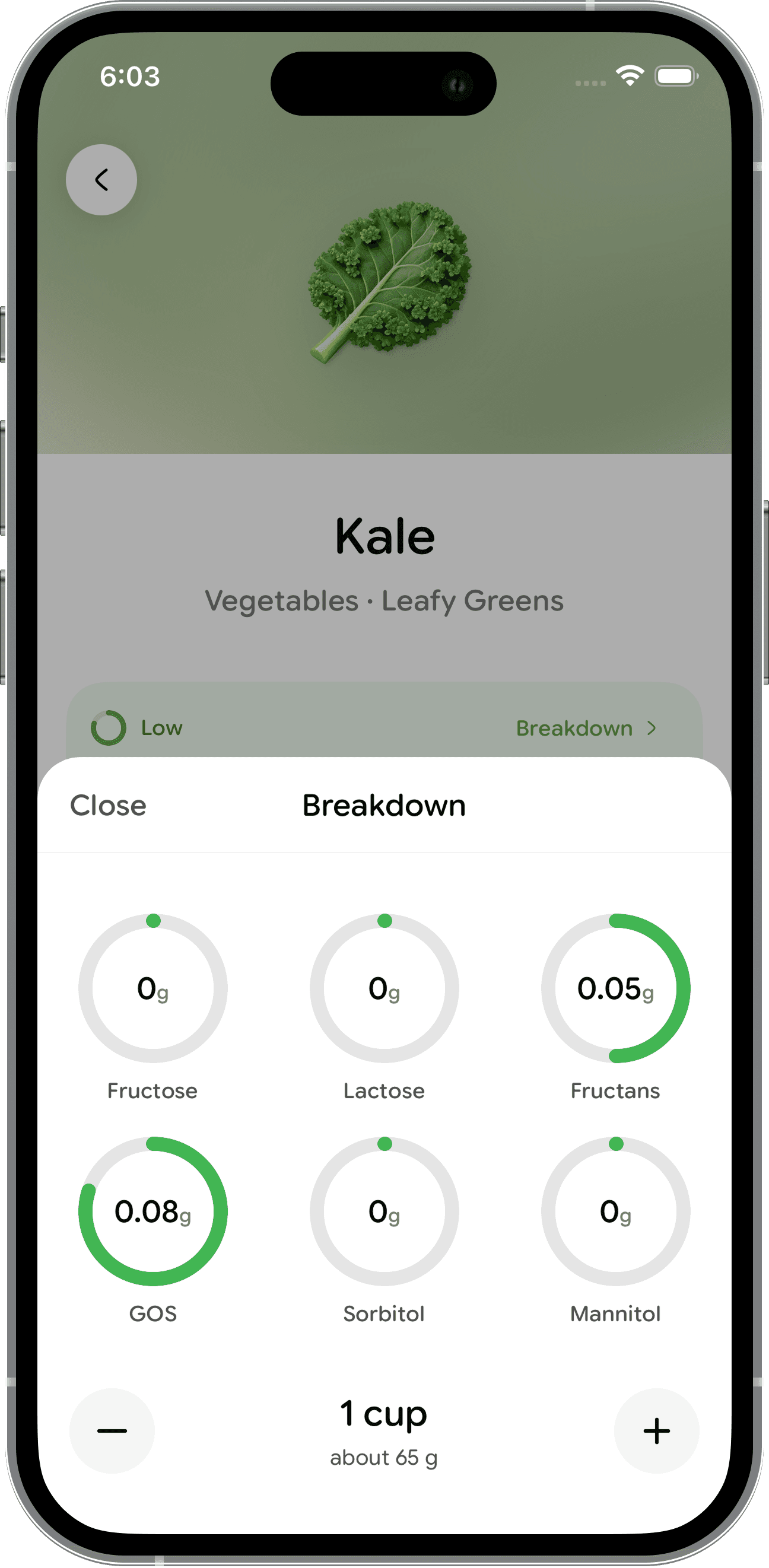
Check a whole plate in seconds.
Not sure about a whole meal? Scan it with the Gut Friendly app.
Get the appRelated foods


Sources and editorial notes
- Monash: FODMAP questions and food preparation
Explains FODMAPs, portion dependence and preparation differences; not a citation for this numerical reference table.