
Quinoa

TLDRLast updated 3 September 2026

A full cup of cooked quinoa, 155 g, is rated green, which makes it one of the few grains whose tested portion is the size of an actual dinner. The cup holds 0.05 g of GOS and 0.03 g of fructans and nothing else. Quinoa is a seed rather than a cereal, and naturally gluten free.

Last updated 3 September 2026

Serving sizes for quinoa

The tested serve is one cup cooked (155 g), rated green: a full dinner portion, not a measured half cup.

Low
1 cupabout 155 g

Tested serving sizes

Tested serving sizes for Quinoa and their Gut Friendly rating
ServingAmountMain FODMAPRating
1 cup cooked155 gGOS 0.05 gLow

Breakdown for 1 cup

0gFructose
0gLactose
0.03gFructans
0.05gGOS
0gSorbitol
0gMannitol
1 cupabout 155 g

Is quinoa low FODMAP?

Two groups register at all, and both in traces: 0.05 g of GOS and 0.03 g of fructans in the cup, each under the 0.1 g mark where a portion starts to count as moderate. Fructose, lactose, sorbitol and mannitol all sit at zero. The reason quinoa is so quiet is botanical. It is the seed of a leafy plant related to spinach and beetroot, not a cereal grass, so it never inherited the fructan load that limits wheat: half a cup of cooked couscous already carries 0.12 g.

Quinoa and IBS: what to know

One portion has been tested, the cooked cup, and it comes back green; that is a solid point to plan around rather than an invitation to stop thinking about it. Quinoa carries more fibre than white grains do, which suits a constipation-predominant pattern and can feel like a lot arriving at once mid-flare. Rinsing the seed before cooking washes off its bitter saponin coating, a flavour job that leaves the FODMAP figures untouched. Quinoa flakes and quinoa flour come from the same seed, but the serve above describes cooked seed only.

Gut-friendly ways to eat quinoa

Treat it as the base rather than the side. Quinoa takes the same dressings, herbs and roasted vegetables as couscous does, and it holds a whole cup where a cup of couscous is rated amber, so the bowl can be built the way you would have built it before IBS. Cook it in water or a low FODMAP stock, since most cubes and cartons start with onion. Cooled, it keeps its texture for lunch salads better than brown rice, which is worth knowing if you batch cook on a Sunday.

Recipes with quinoa

Frequently asked questions

How much quinoa can I eat with IBS?

One cup cooked is the portion that has been measured, and it rates green, so a dinner-sized serve needs no rationing. Past that cup you are extrapolating rather than reading data, though the trace amounts involved leave plenty of headroom. What can still catch you out is volume: a very large plate of any high-fibre food sits heavily whatever its rating.

Is quinoa gluten free?

Yes. It is the seed of a broadleaf plant, unrelated to wheat, barley and rye, so there is no gluten in it at all. That matters here for a different reason than most people assume: gluten free and low FODMAP are separate questions, and quinoa is one of the few staples that answers both without a portion caveat. If you have coeliac disease, check the packet for shared-line warnings.

Are red and black quinoa different from white quinoa?

Not for FODMAP purposes. The colours are varieties of the same seed, and one entry in this guide covers them. Red and black hold their shape a little more firmly after cooking, which is a texture difference rather than a chemical one. Tricolour packets are simply the three mixed together, so the cooked cup applies to those as well.

Why does my quinoa salad still upset me?

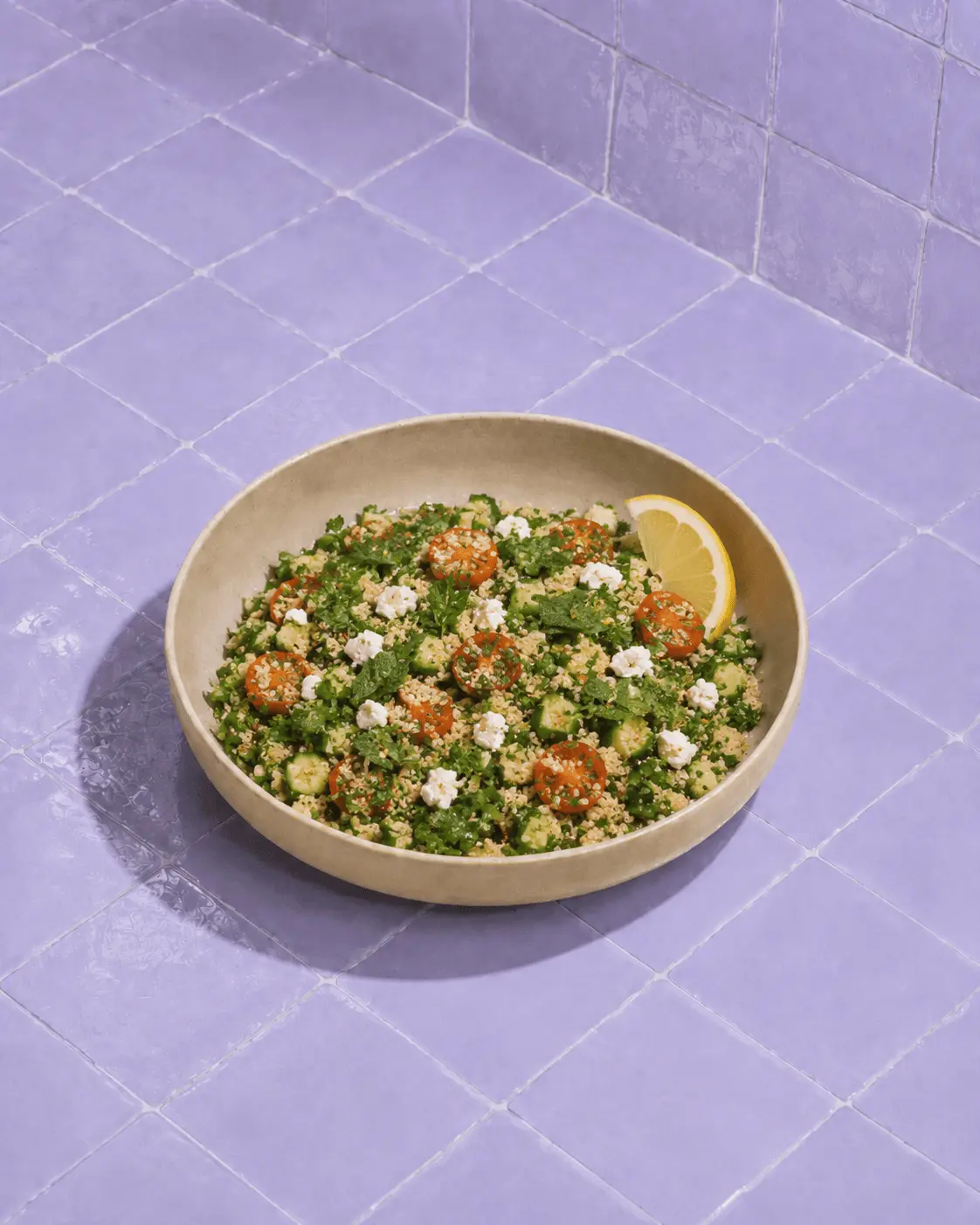
Look past the grain. Quinoa salads are usually built on the things that do carry a load: onion, a dressing made with garlic, chickpeas by the cupful, or a scatter of dried fruit. The seed underneath contributes almost nothing to that total. Rebuild the same salad with garlic-infused oil, lemon, parsley, cucumber and feta, and see whether it still bothers you.

Check a whole plate in seconds.

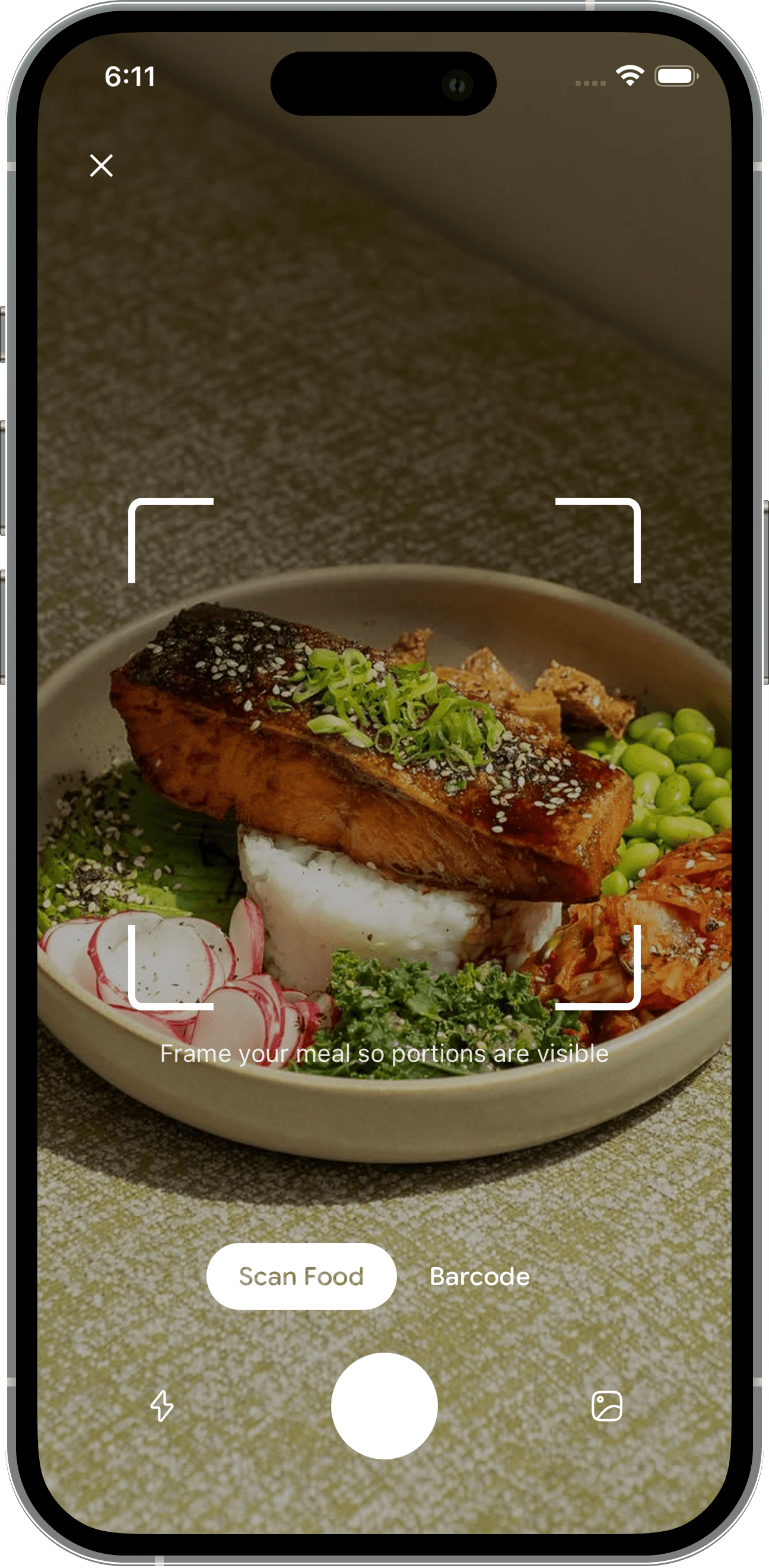
Not sure about a whole meal? Scan it with the Gut Friendly app.

Get the app
Ratings based on published FODMAP research. Gut Friendly provides general information, not medical advice.