


Crackers (rice)
Grains · Bread
Identify plain rice crackers versus flavoured or coated products. A separate plain rice cracker entry has a verified reference; rice cakes and seasoned crackers are different foods. See Rice Crackers (Plain). Select only a preparation that matches your food.
Serving sizes for crackers (rice)
Verification pending for this broad entry. Use the matching specific food for portion guidance; these legacy figures are not a shared allowance for every preparation.

Reference portions
Select an amount or rating to update your portion. These are reference portions, not exact cut-offs or recommended intakes.| Serving | Amount | FODMAP rating |
|---|---|---|
| 17.65 crackers | ||
| Reference portion | Not available | |
| Reference portion | Not available |
Is crackers (rice) low FODMAP?
Identify plain rice crackers versus flavoured or coated products. A separate plain rice cracker entry has a verified reference; rice cakes and seasoned crackers are different foods. This broad entry does not establish a verified portion for every food covered by its name.
Crackers (rice) and IBS: what to know
For crackers (rice), keep the exact form and amount in mind. Check the complete ingredient list when comparing products. Gluten-free or similar front-of-pack wording is not a portion-specific FODMAP assessment. Monash: ingredient labels and FODMAPs. This public source supplies background, not verification of the numerical table.
Gut-friendly ways to eat crackers (rice)
Identify plain rice crackers versus flavoured or coated products. A separate plain rice cracker entry has a verified reference; rice cakes and seasoned crackers are different foods. See Rice Crackers (Plain). Select only a preparation that matches your food.
Frequently asked questions
Which preparation should I choose?
Identify plain rice crackers versus flavoured or coated products. A separate plain rice cracker entry has a verified reference; rice cakes and seasoned crackers are different foods. See Rice Crackers (Plain). Select only a preparation that matches your food.
Can these preparations share one portion table?
Use the reference for the exact preparation. The existing broad table has not been verified for all of the foods covered by its name.

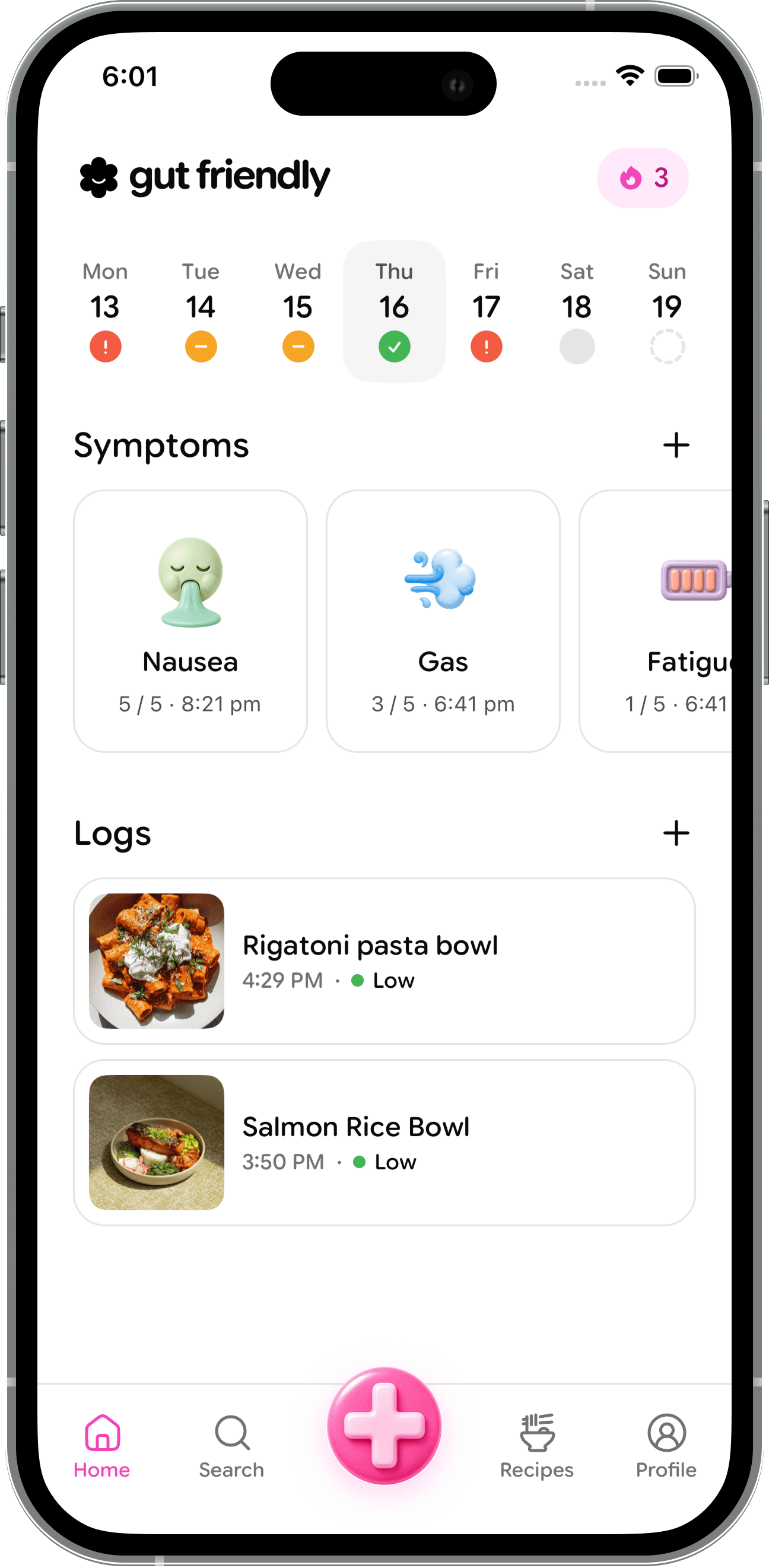
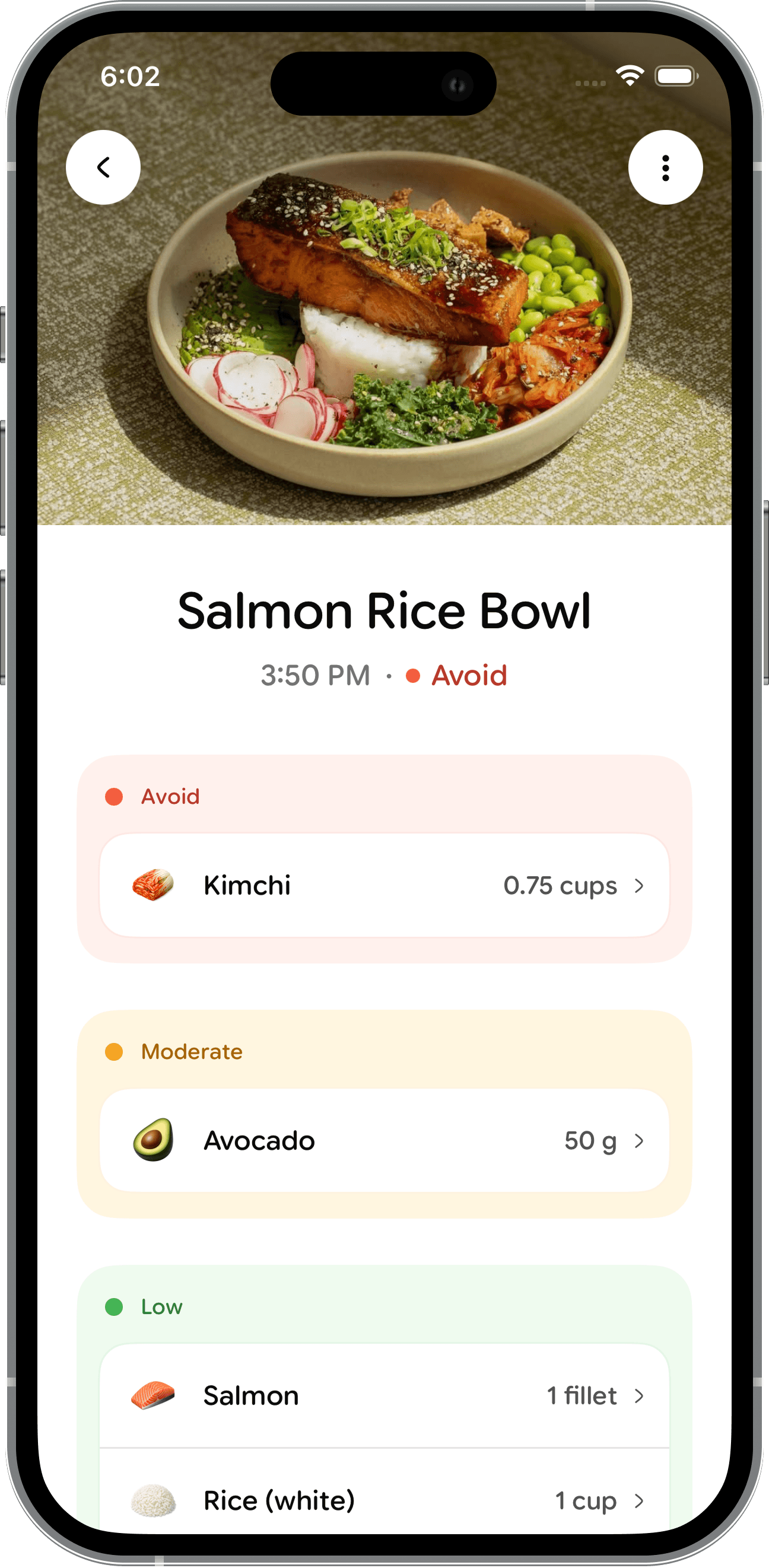
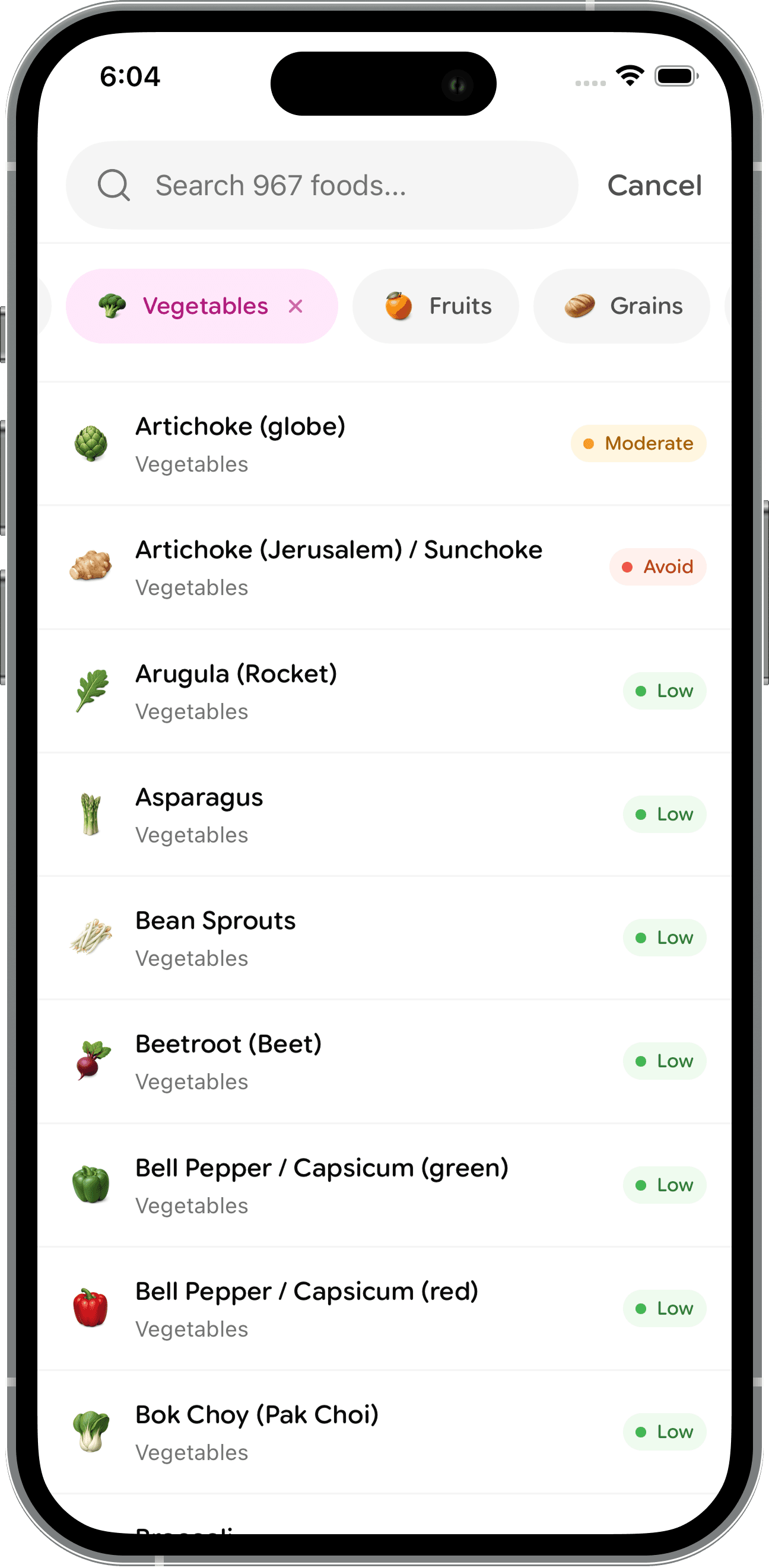
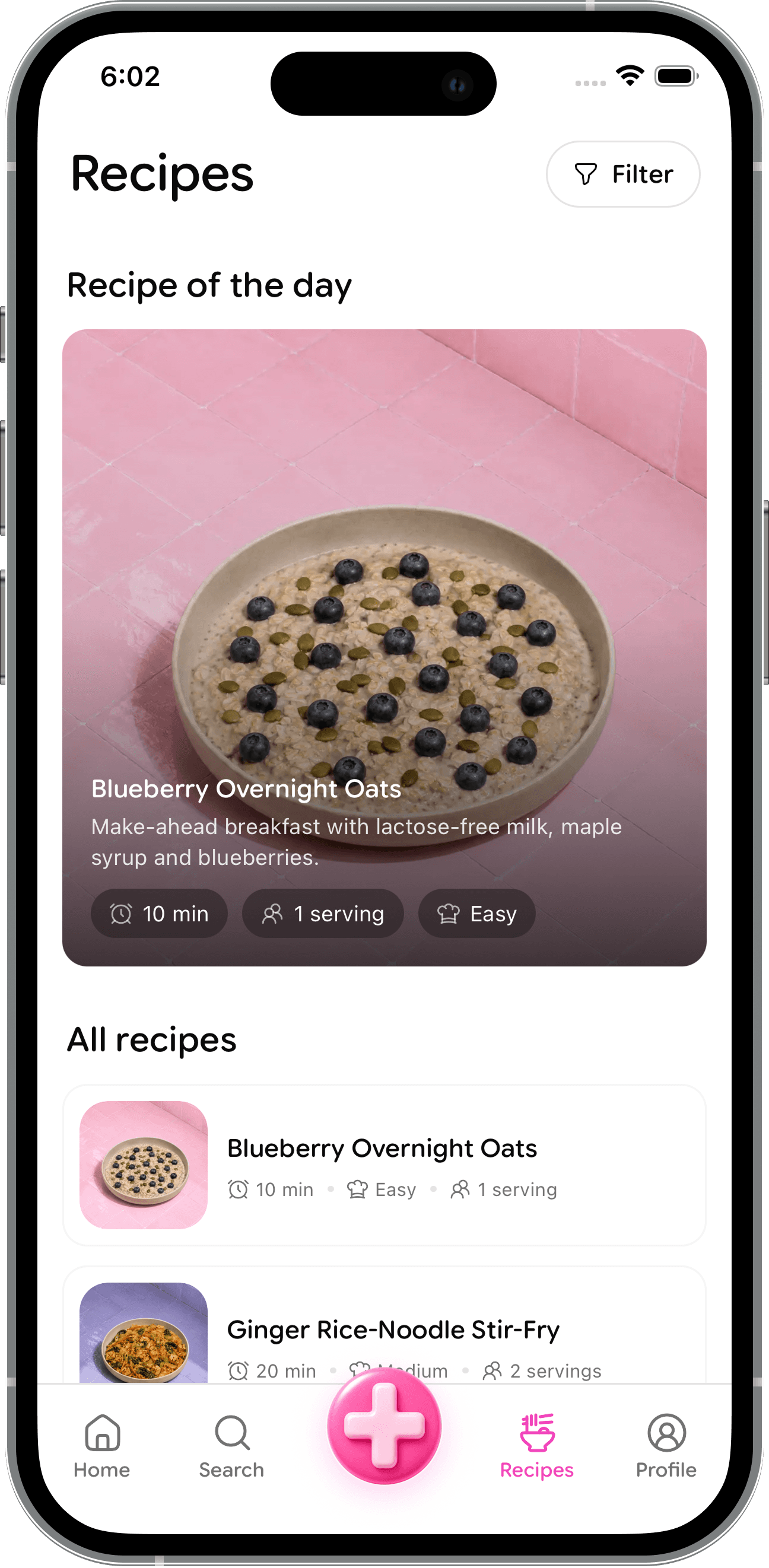
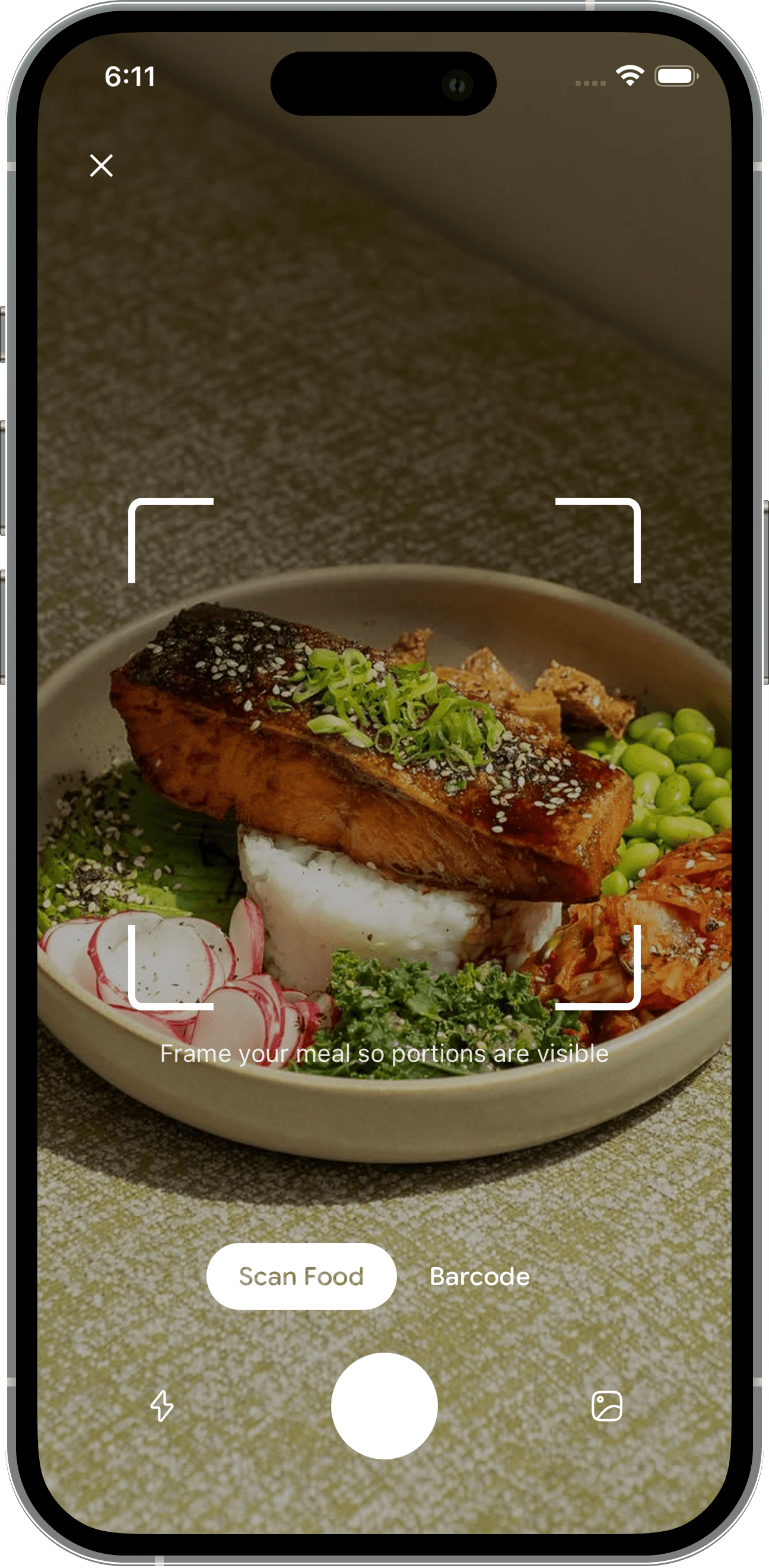
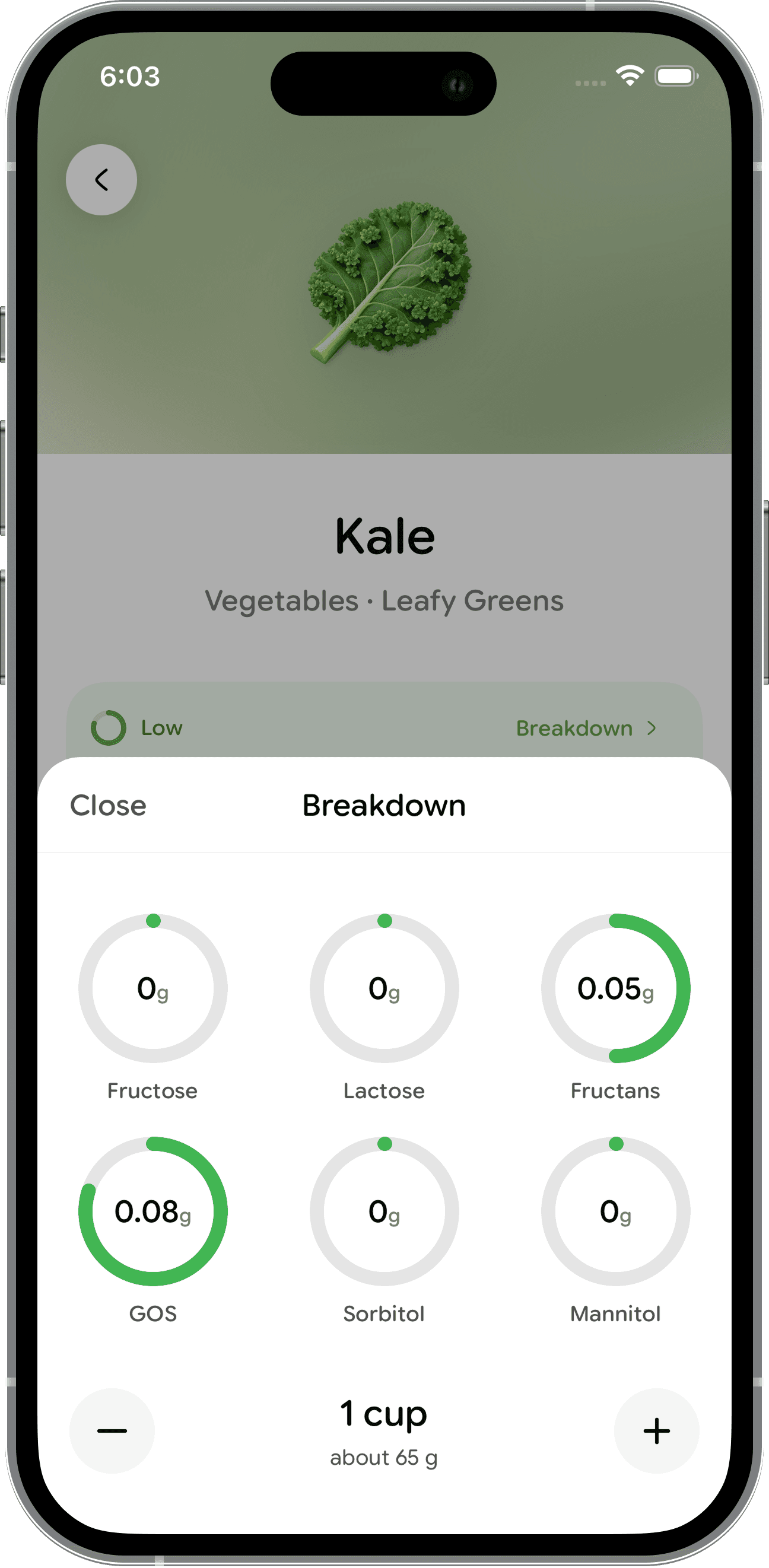
Check a whole plate in seconds.
Not sure about a whole meal? Scan it with the Gut Friendly app.
Get the appRelated foods


Sources and editorial notes
- Monash: ingredient labels and FODMAPs
Supports checking formulations and distinguishing gluten-free claims from low FODMAP; does not verify this product or its numerical portions.