


Asparagus
Vegetables · Other Vegetables
Green asparagus, raw: the recorded FODMAP references are 42 g low, 57 g moderate, 75 g high.
Serving sizes for asparagus
Green asparagus, raw: 42 g low, 57 g moderate, 75 g high. Use the stated preparation and unit; intermediate amounts are not separately verified.

Reference portions
Select an amount or rating to update your portion. These are reference portions, not exact cut-offs or recommended intakes.| Serving | Amount | FODMAP rating |
|---|---|---|
| 2.8 spears | ||
| 3.8 spears | ||
| 5 spears |
Is asparagus low FODMAP?
These references apply to green asparagus, raw. They describe individual reference portions, not exact transition cutoffs or a personal tolerance limit. Compare Asparagus / Yardlong / Snake Bean (Raw), Bok Choy (Pak Choi). Each guide describes its own preparation; a related food is not automatically a like-for-like substitute.
Asparagus and IBS: what to know
Use this guide to distinguish the named preparation from the related entries. The source below is background reading and does not independently verify the numerical table.
Gut-friendly ways to eat asparagus
Weigh the edible raw portion in the preparation stated here. Keep sauces and other additions separate when checking a meal.
Frequently asked questions
What is the low FODMAP portion for asparagus?
The low reference is 42 g. The full references are 42 g low, 57 g moderate, 75 g high.
Can another preparation use these portions?
Compare Asparagus / Yardlong / Snake Bean (Raw), Bok Choy (Pak Choi). Each guide describes its own preparation; a related food is not automatically a like-for-like substitute.
How should I measure this food?
Weigh the edible raw portion in the preparation stated here. Keep sauces and other additions separate when checking a meal.



Check a whole plate in seconds.
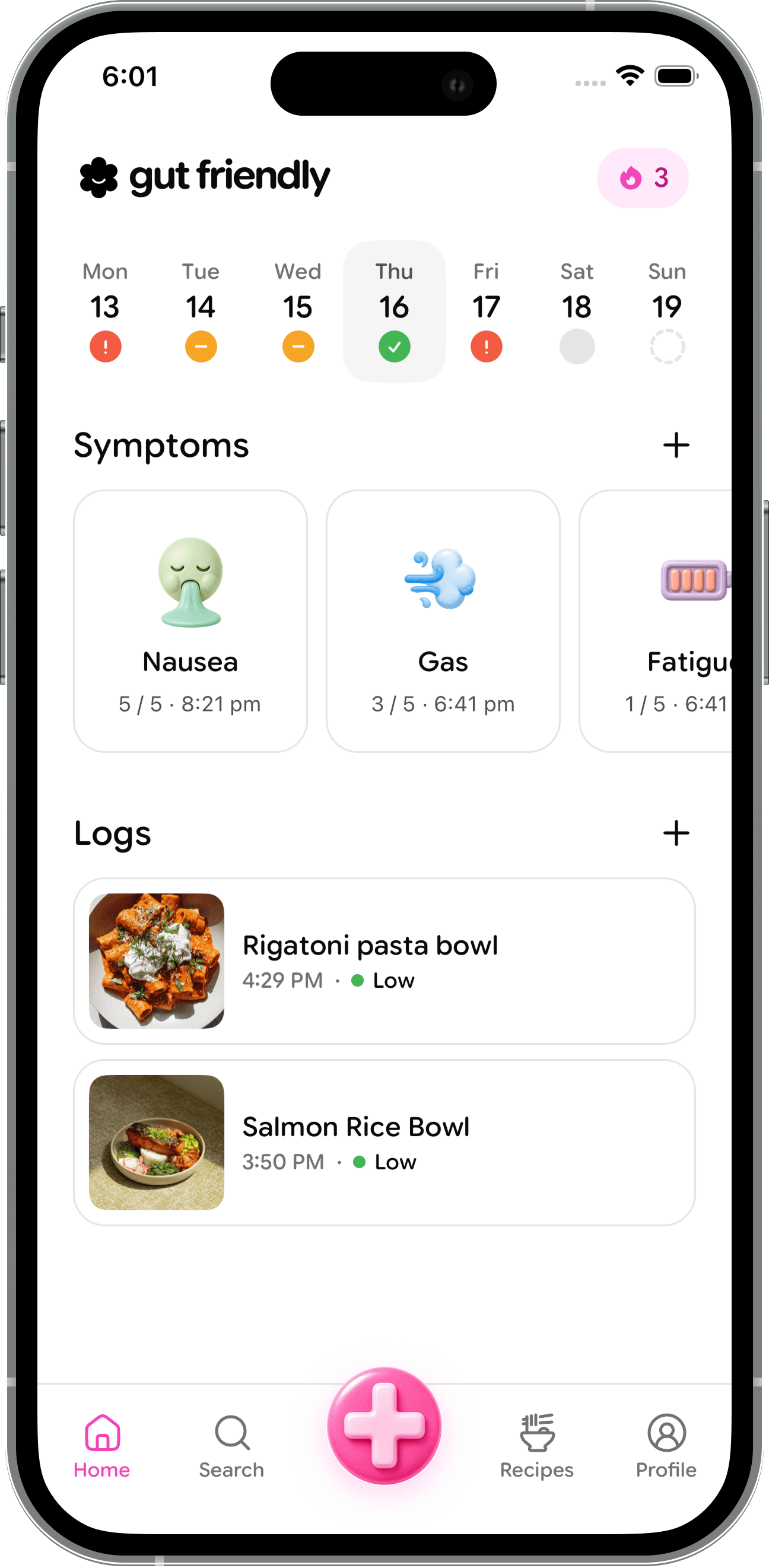
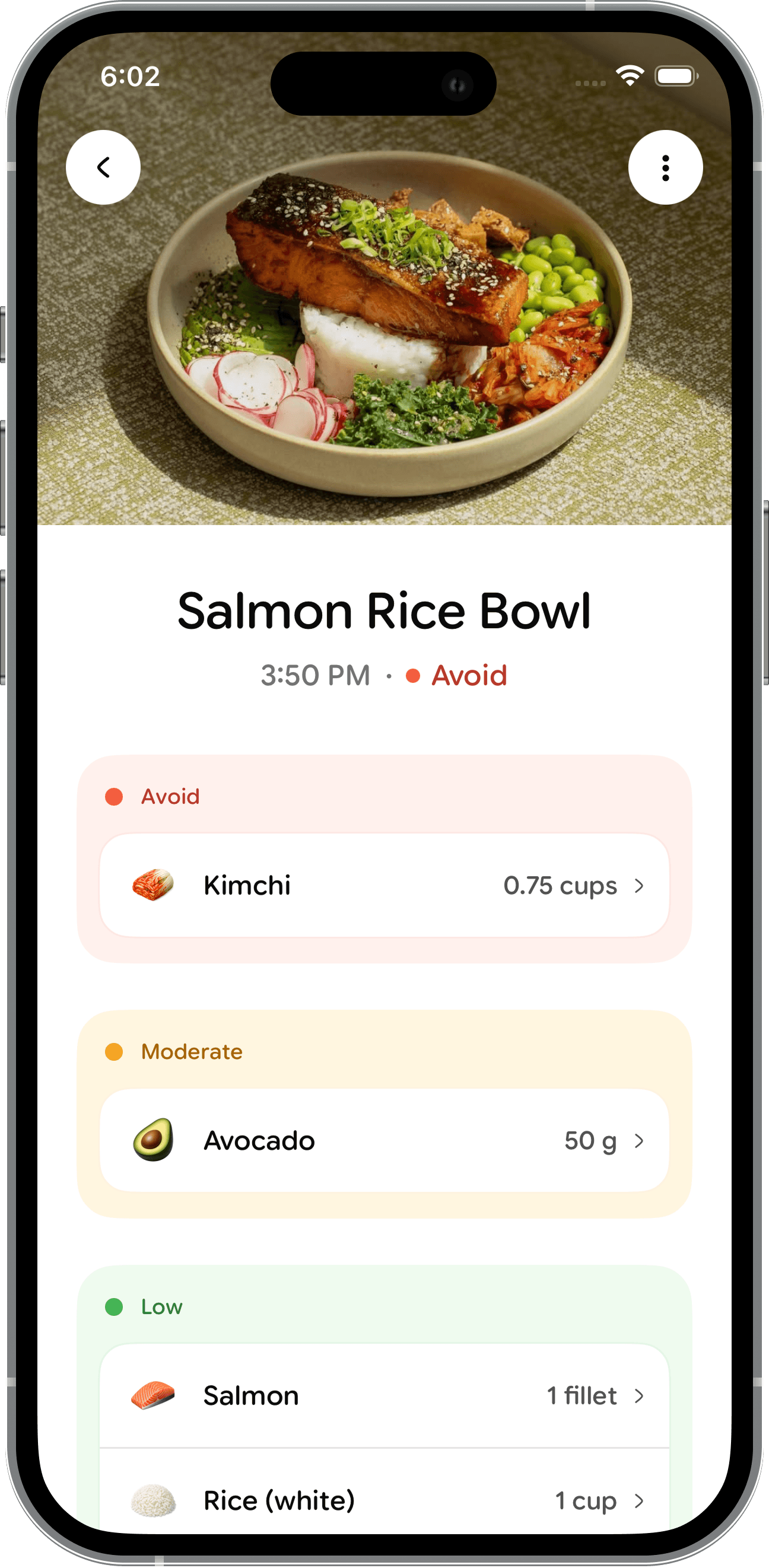
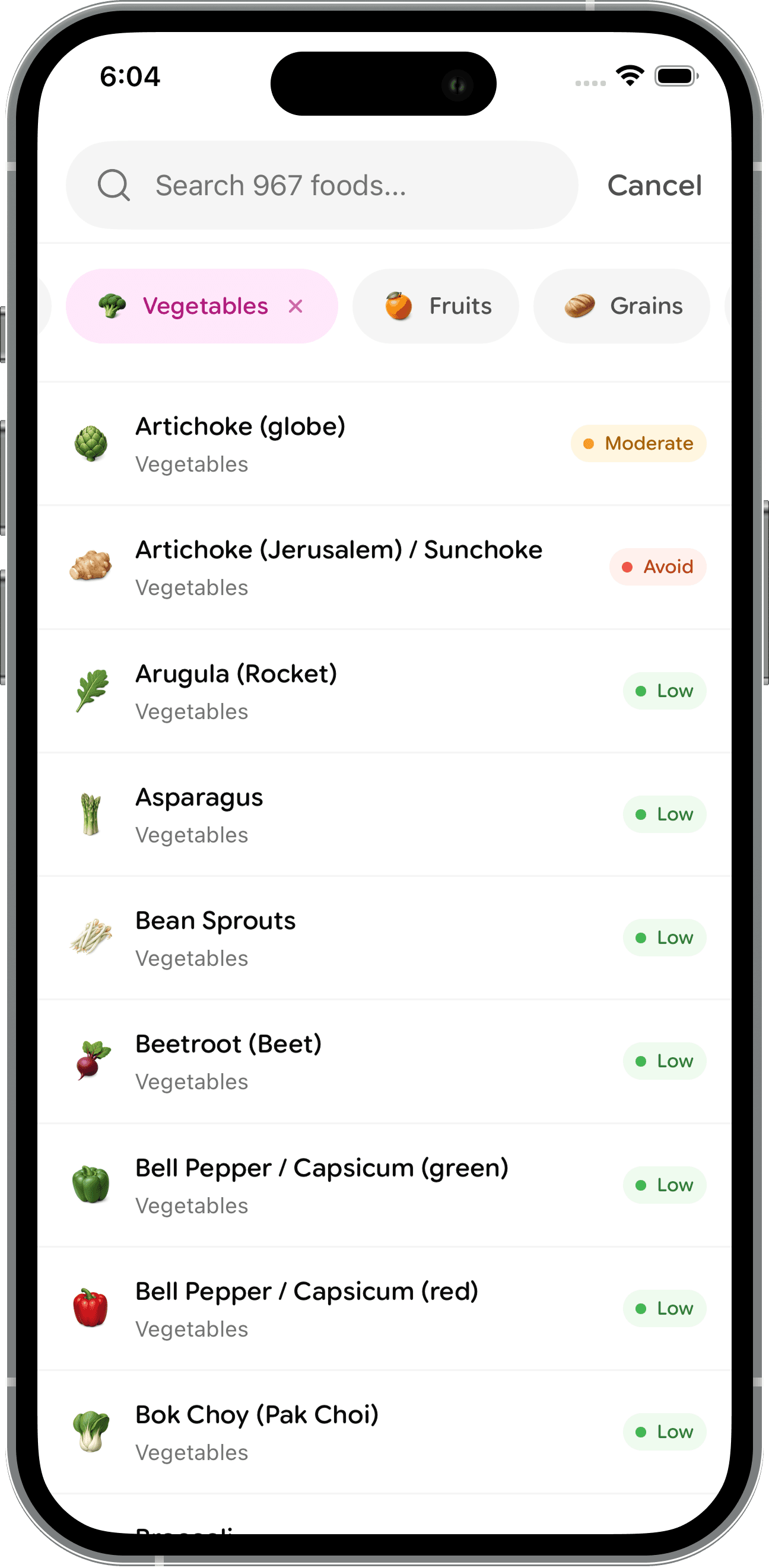
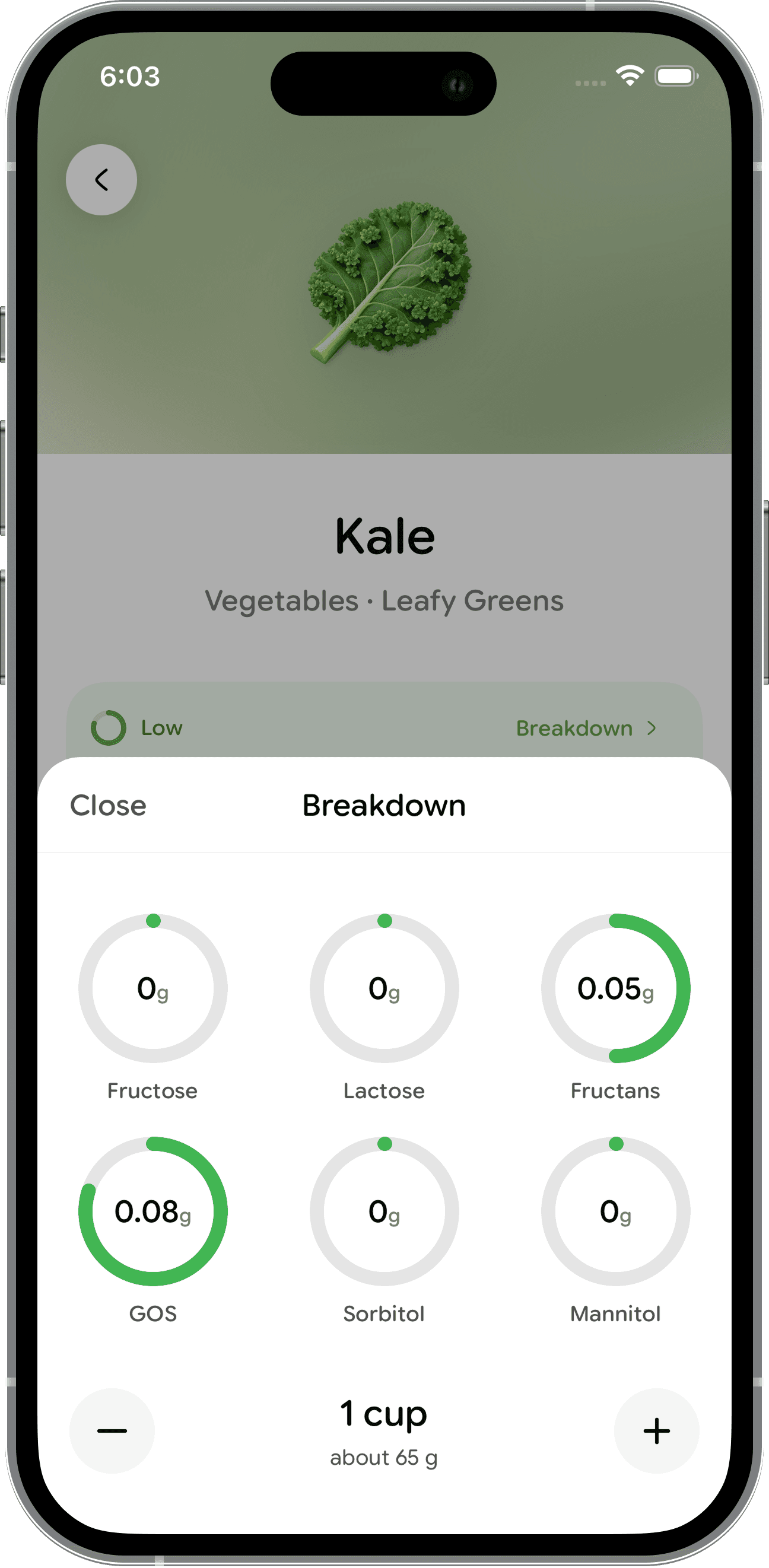
Not sure about a whole meal? Scan it with the Gut Friendly app.
Get the appRelated foods


Sources and editorial notes
- Monash: FODMAP questions and preparation
General background reading; does not establish the numerical references on this page.