


Sultanas
Fruits · Other Fruits
Sultanas: the low FODMAP reference is 7 g. The reference describes sultana. Measure that preparation itself; added sauces or other ingredients need a separate check.
Serving sizes for sultanas
Sultana: 7 g low, 9 g moderate, 30 g high. Use the stated preparation and unit.

Reference portions
Select an amount or rating to update your portion. These are reference portions, not exact cut-offs or recommended intakes.| Serving | Amount | FODMAP rating |
|---|---|---|
| 0.47 tablespoons | ||
| 0.6 tablespoons | ||
| 2 tablespoons |
Is sultanas low FODMAP?
The references for sultana are 7 g low, 9 g moderate, 30 g high. They are comparison portions, not exact transition cutoffs or personal tolerance limits.
Sultanas and IBS: what to know
For sultanas, keep the exact form and amount in mind. Portion size and preparation affect how food references should be compared. Monash: FODMAP questions and food preparation. This public source supplies background, not verification of the numerical table.
Gut-friendly ways to eat sultanas
The reference describes sultana. Measure that preparation itself; added sauces or other ingredients need a separate check. Compare Raisins. These guides describe their own preparations and portions.
Frequently asked questions
What is the FODMAP portion for sultanas?
Sultanas: 7 g low, 9 g moderate, 30 g high. These values apply to sultana.
How should I measure or check sultanas?
The reference describes sultana. Measure that preparation itself; added sauces or other ingredients need a separate check.
Which other guides are useful when comparing sultanas?
Compare Raisins. These guides describe their own preparations and portions.

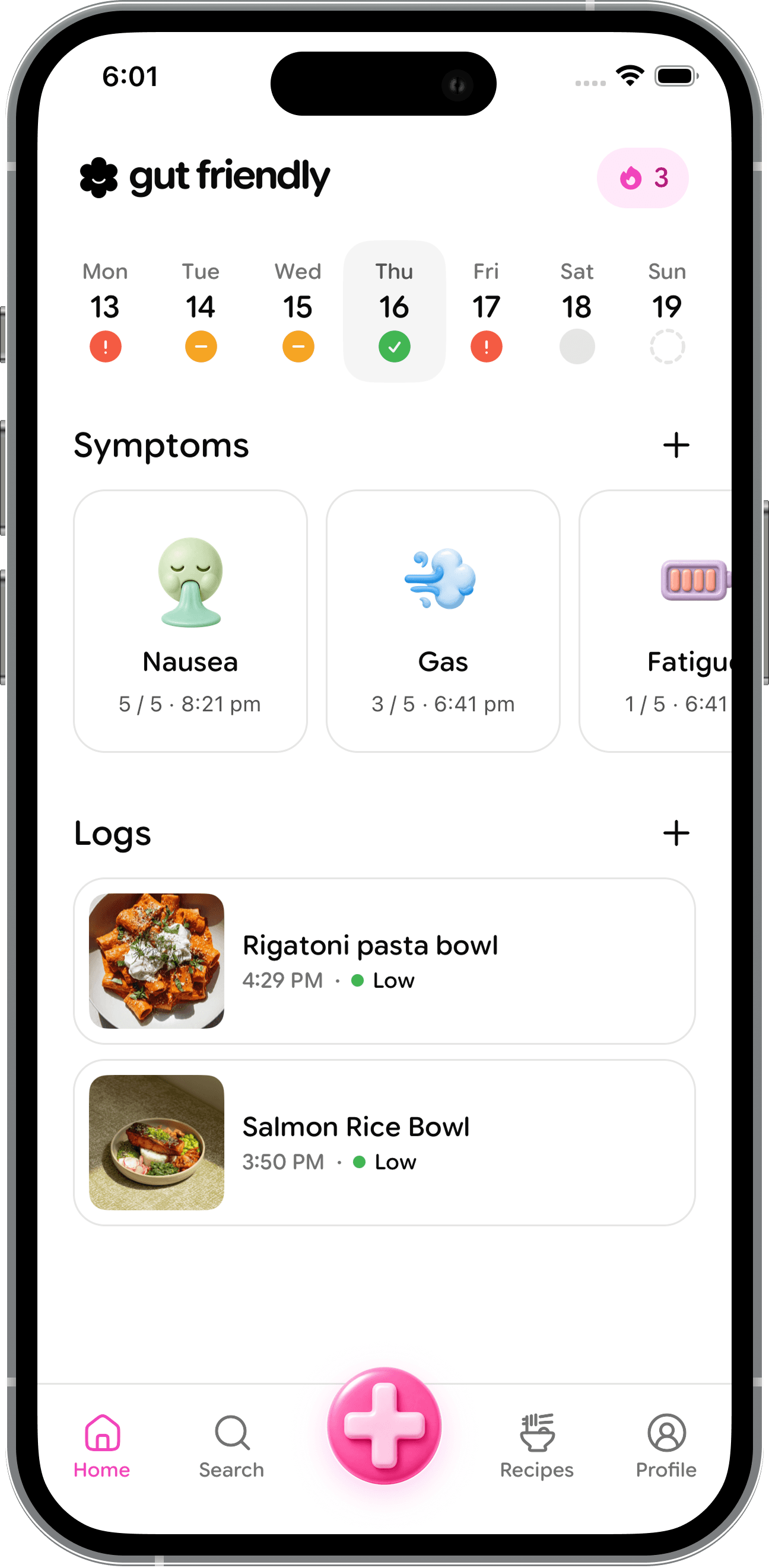
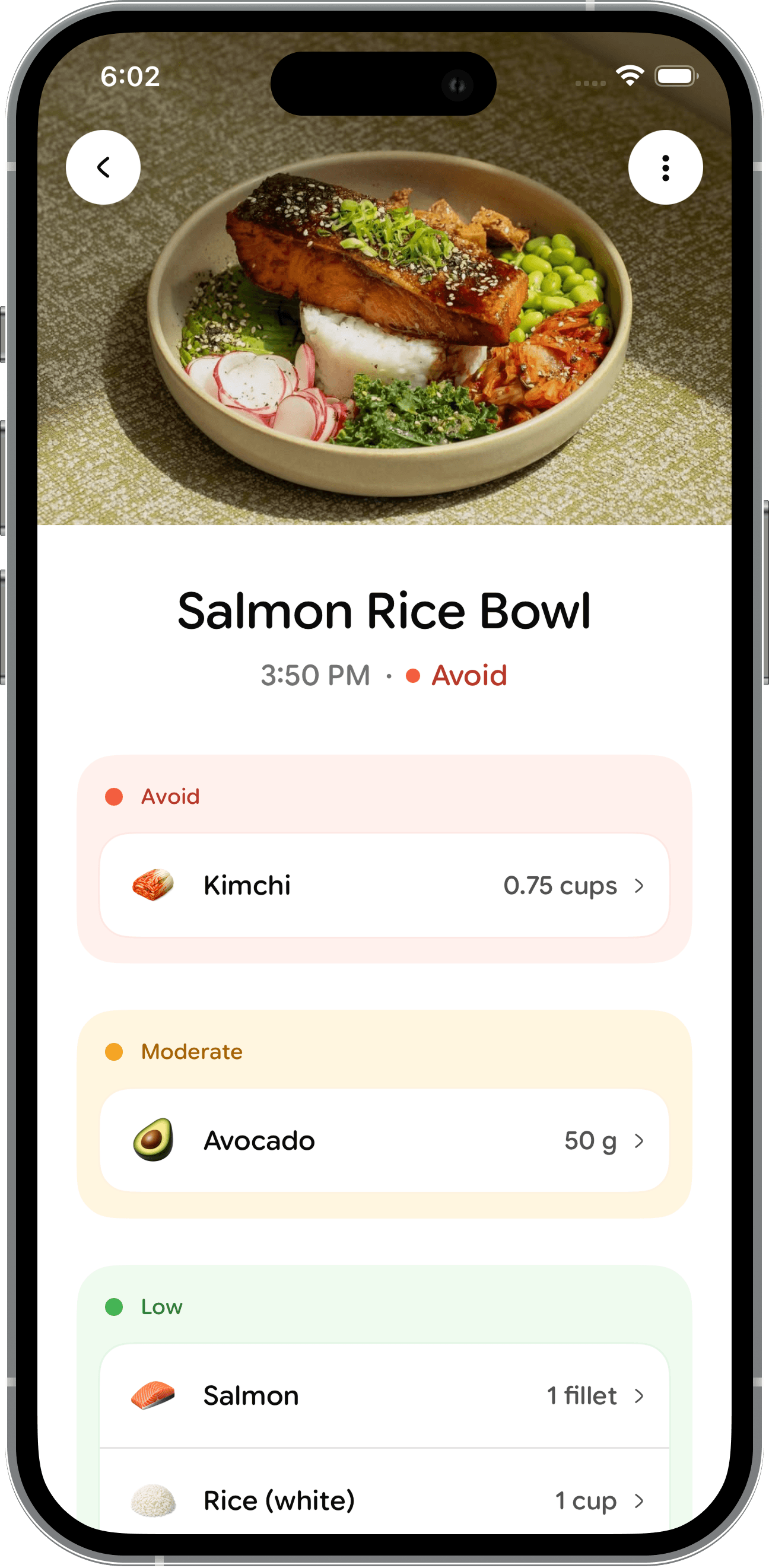
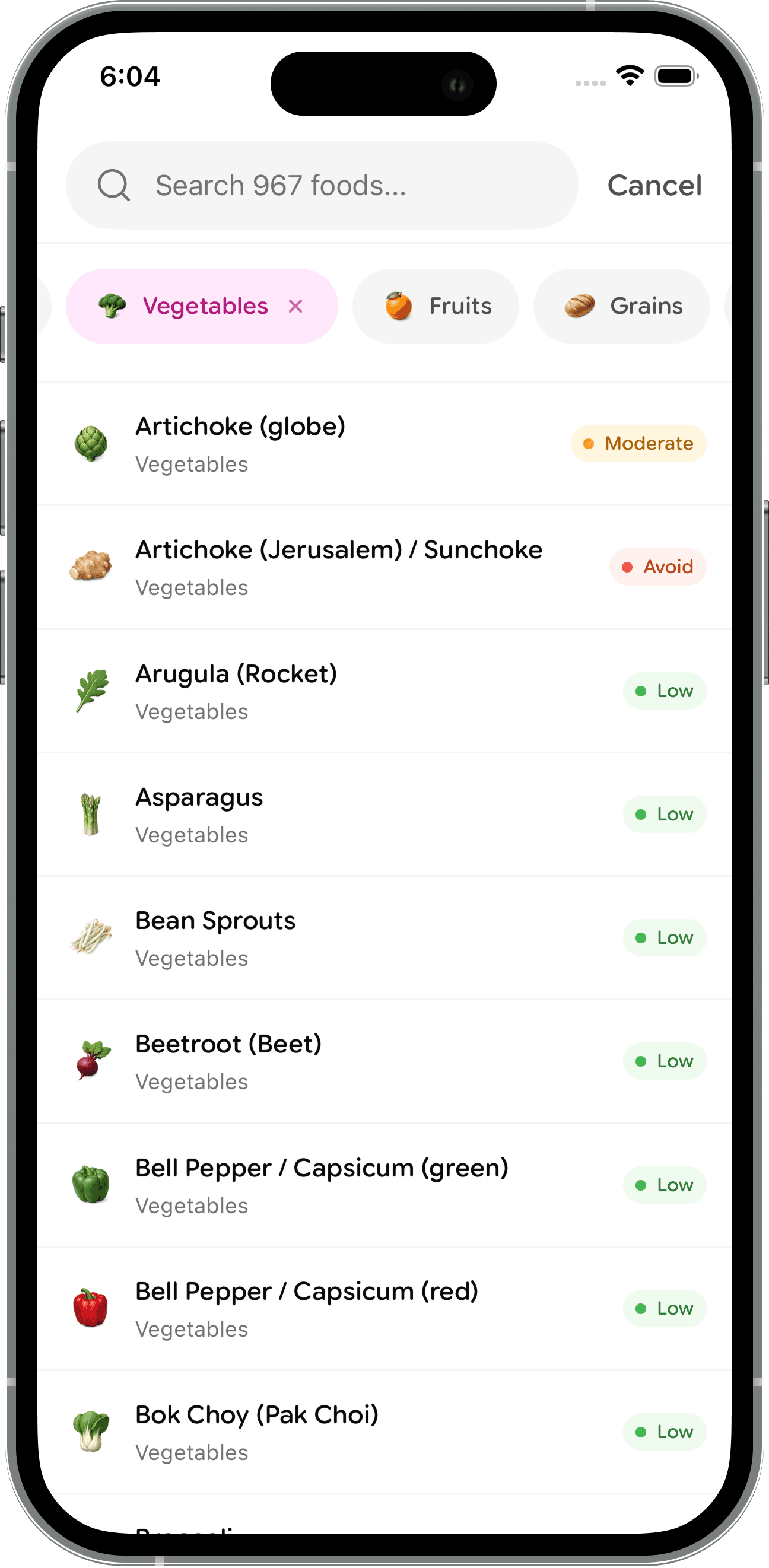
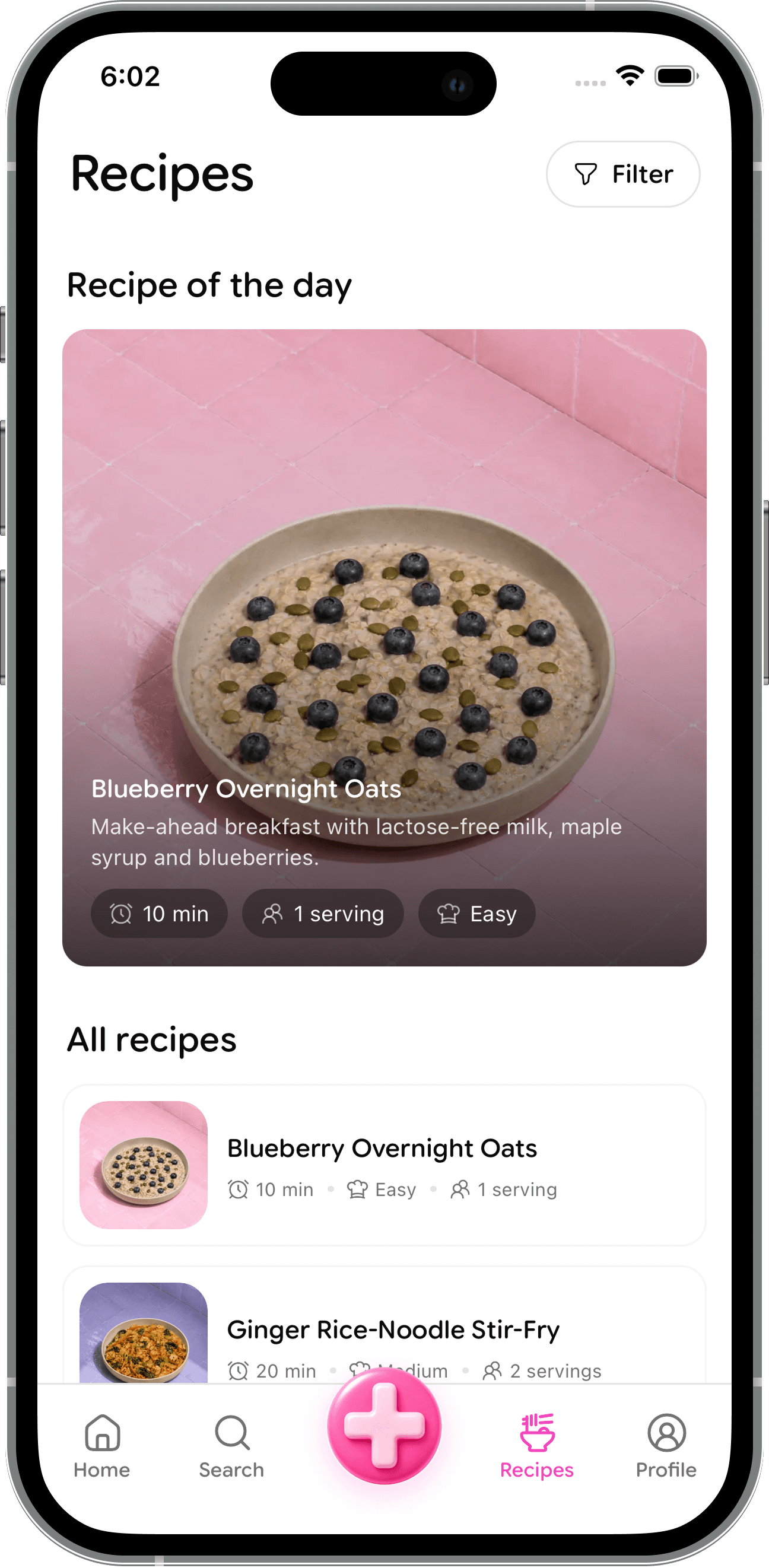
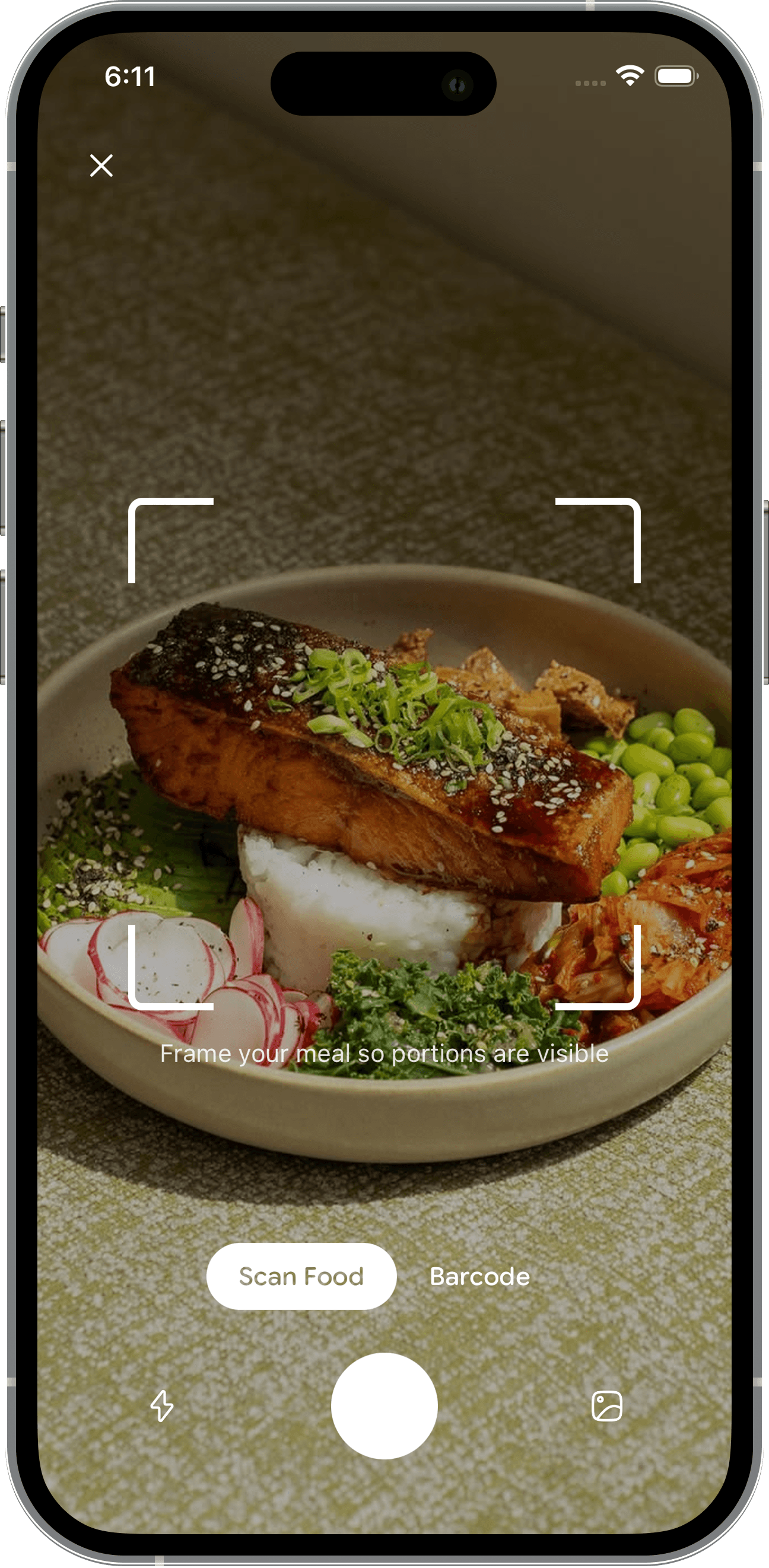
Check a whole plate in seconds.
Not sure about a whole meal? Scan it with the Gut Friendly app.
Get the appRelated foods

Sources and editorial notes
- Monash: FODMAP questions and food preparation
Explains FODMAPs, portion dependence and preparation differences; not a citation for this numerical reference table.