


Karela
Vegetables · Vegetables
Karela: the low FODMAP reference is 15 g. These references describe karela. Measure the stated form; they do not automatically apply to a different preparation or a mixed dish.
Serving sizes for karela
Karela: 15 g low, 20 g moderate, 42 g high. Use the stated preparation and unit.

Reference portions
Select an amount or rating to update your portion. These are reference portions, not exact cut-offs or recommended intakes.| Serving | Amount | FODMAP rating |
|---|---|---|
| 3/4 large | ||
| 1/4 cup | ||
| 3/4 cup |
Is karela low FODMAP?
The references for karela are 15 g low, 20 g moderate, 42 g high. They are comparison portions, not exact transition cutoffs or personal tolerance limits.
Karela and IBS: what to know
For karela, keep the exact form and amount in mind. Portion size and preparation affect how food references should be compared. Monash: FODMAP questions and food preparation. This public source supplies background, not verification of the numerical table.
Gut-friendly ways to eat karela
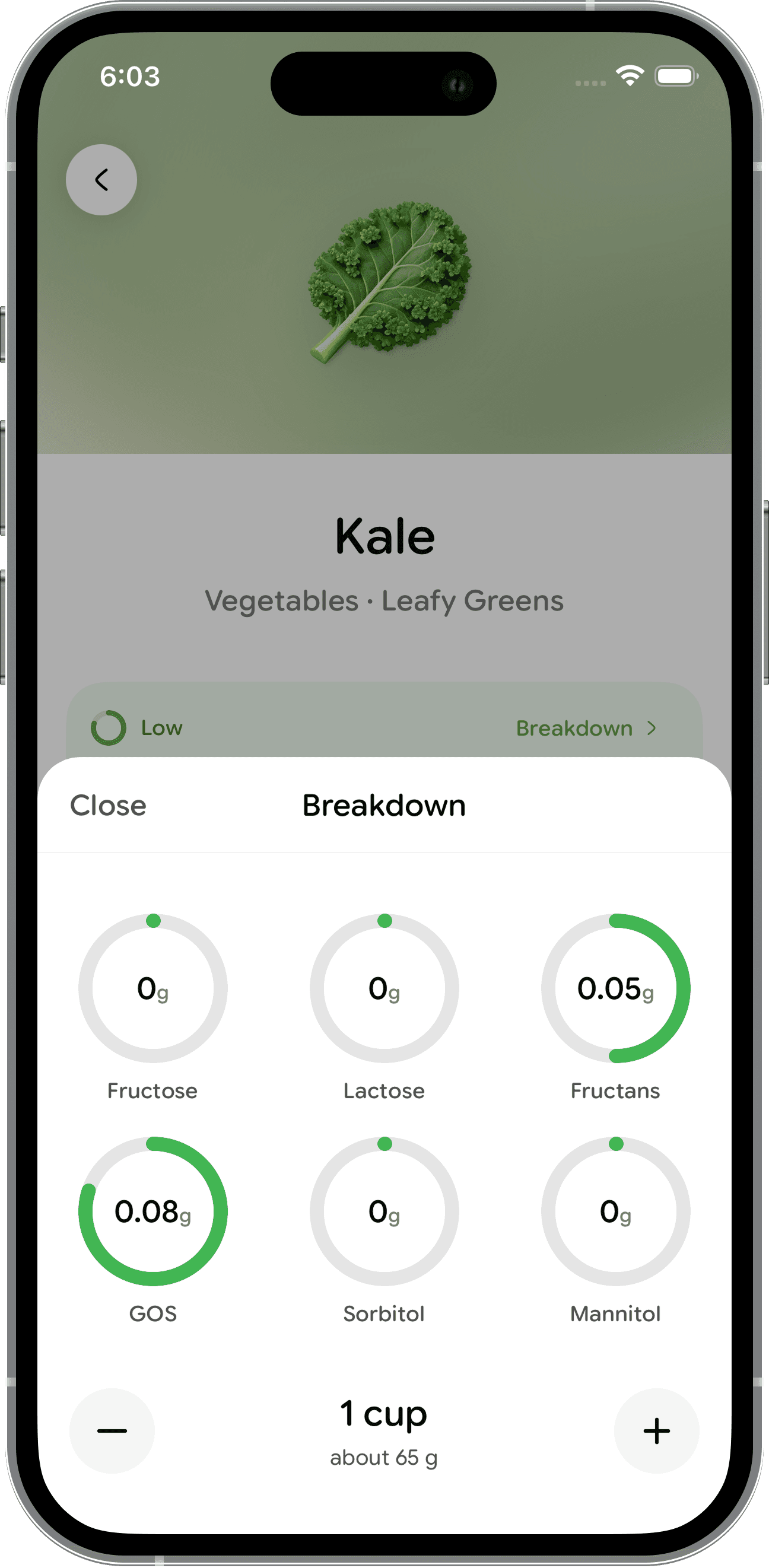
These references describe karela. Measure the stated form; they do not automatically apply to a different preparation or a mixed dish. Compare Green Beans (string beans), Kale (Tuscan, Raw). These guides describe their own preparations and portions.
Frequently asked questions
What is the FODMAP portion for karela?
Karela: 15 g low, 20 g moderate, 42 g high. These values apply to karela.
How should I measure or check karela?
These references describe karela. Measure the stated form; they do not automatically apply to a different preparation or a mixed dish.
Which other guides are useful when comparing karela?
Compare Green Beans (string beans), Kale (Tuscan, Raw). These guides describe their own preparations and portions.

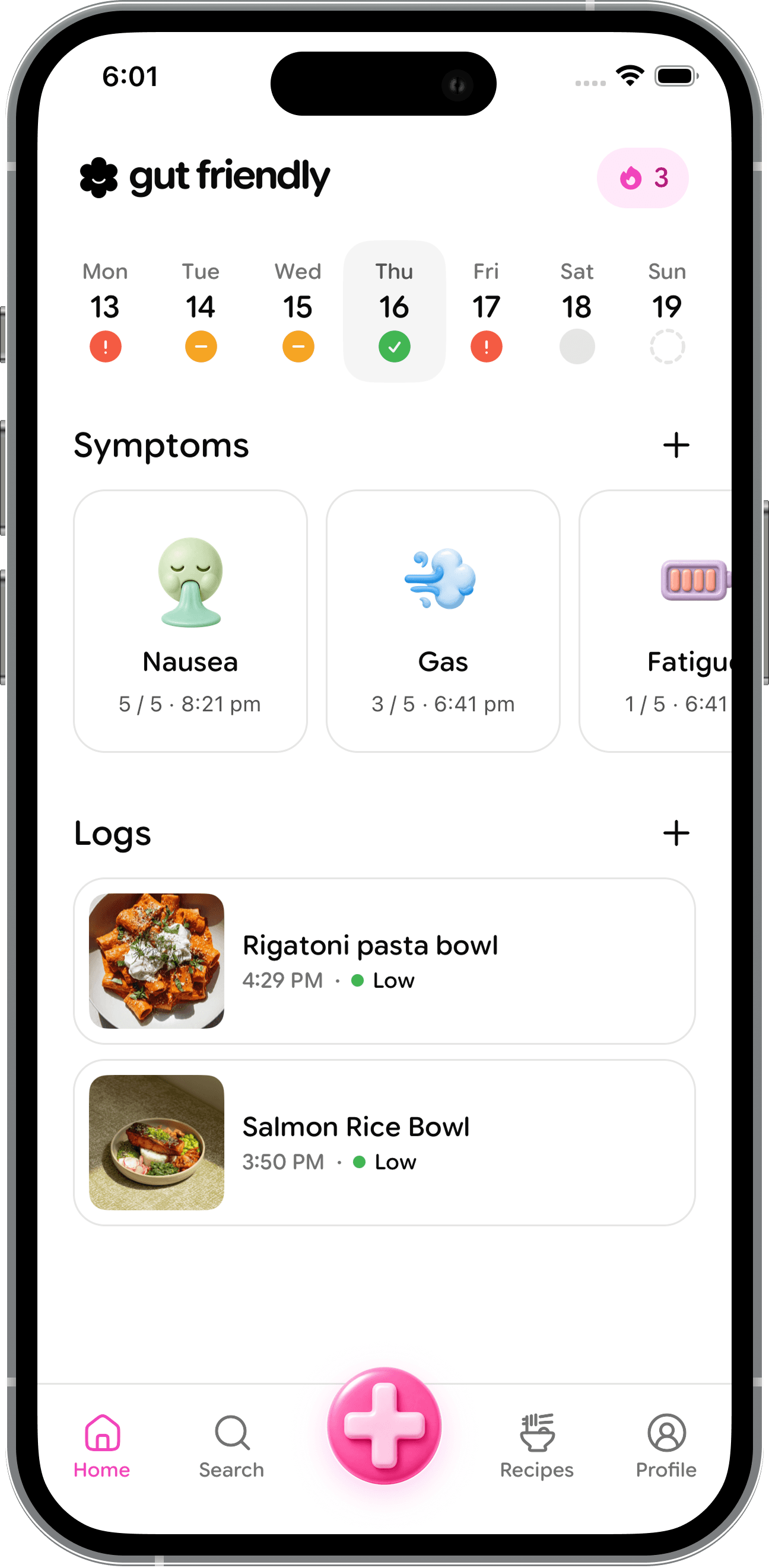
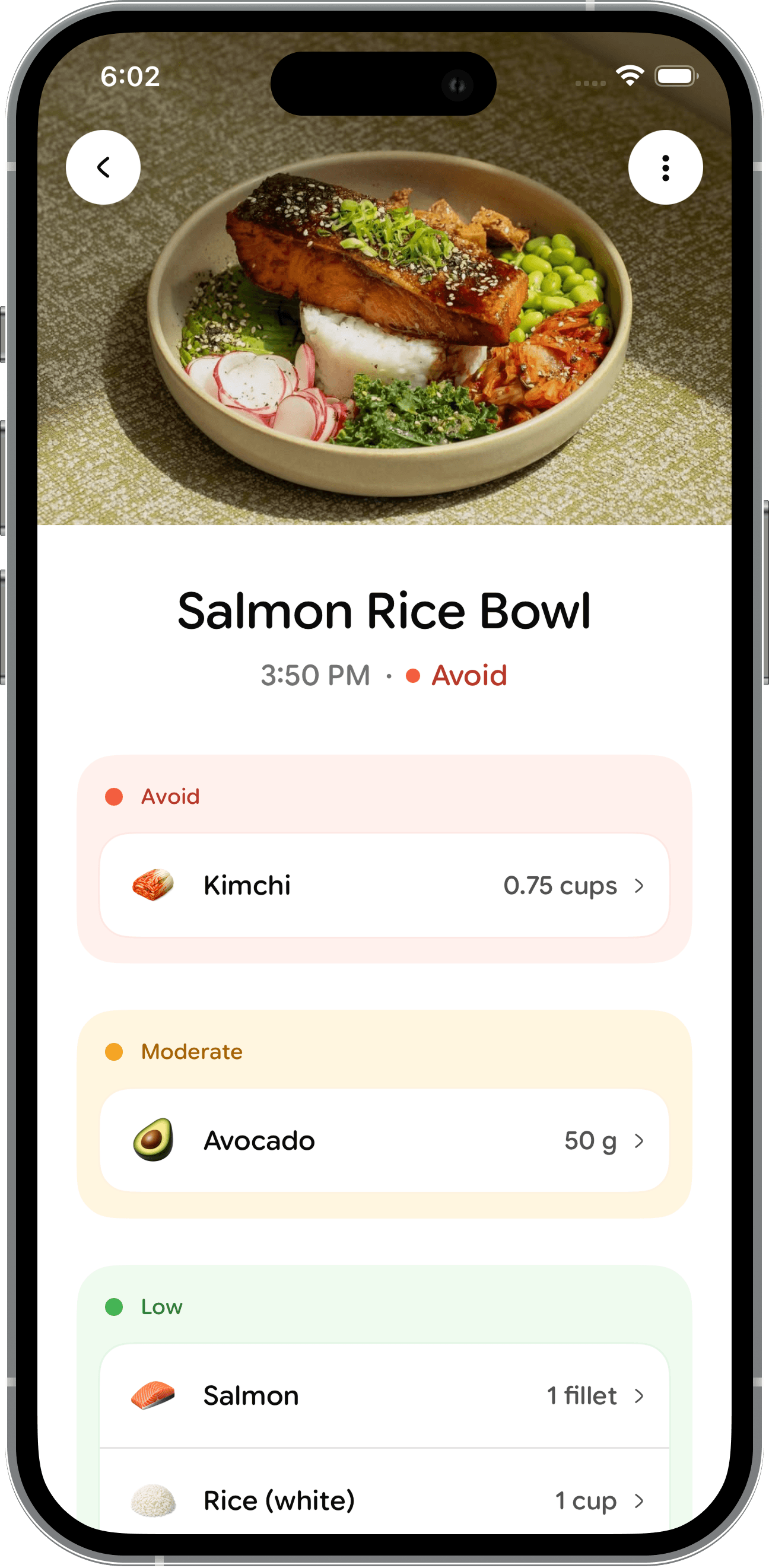
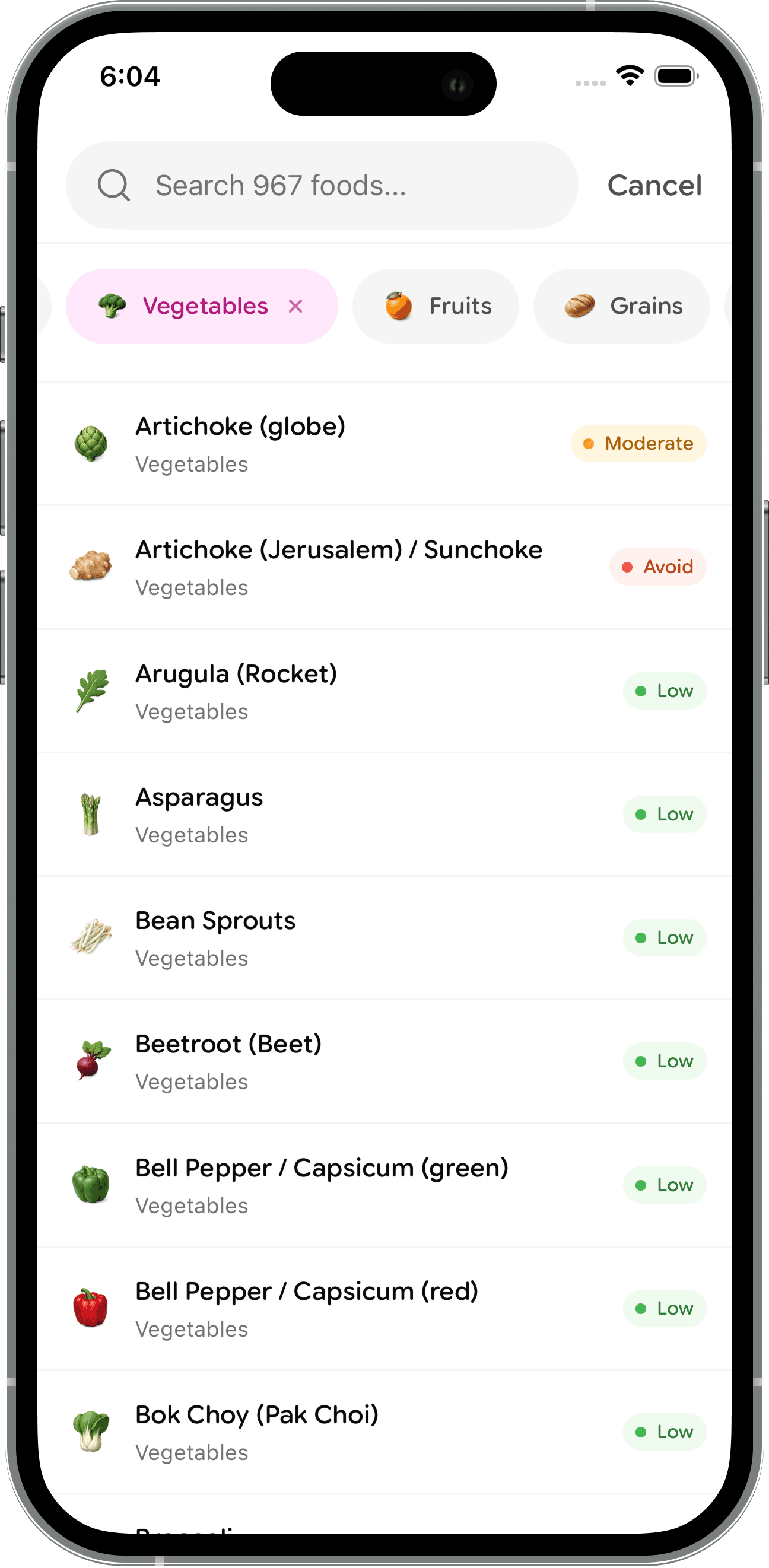
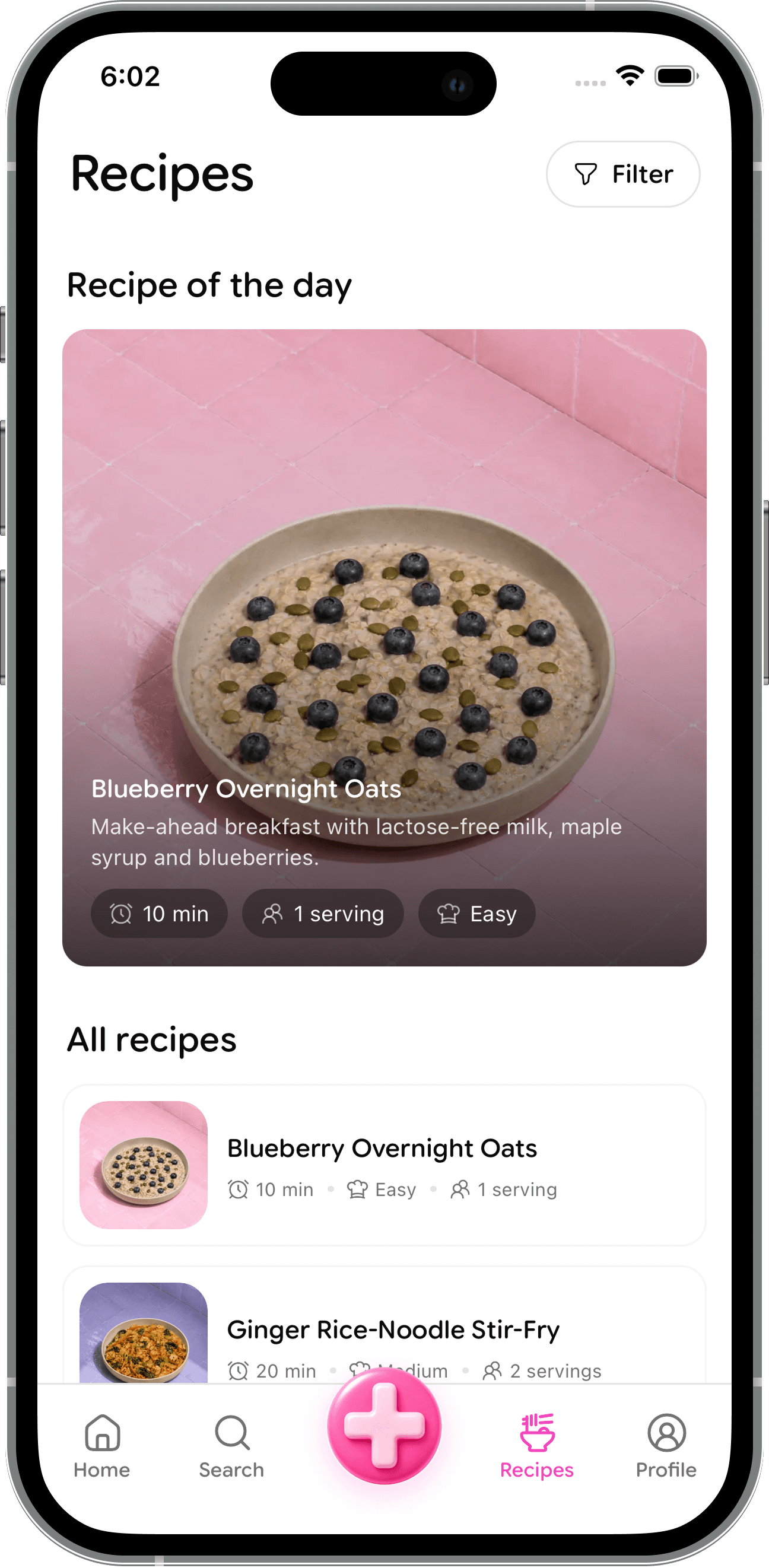
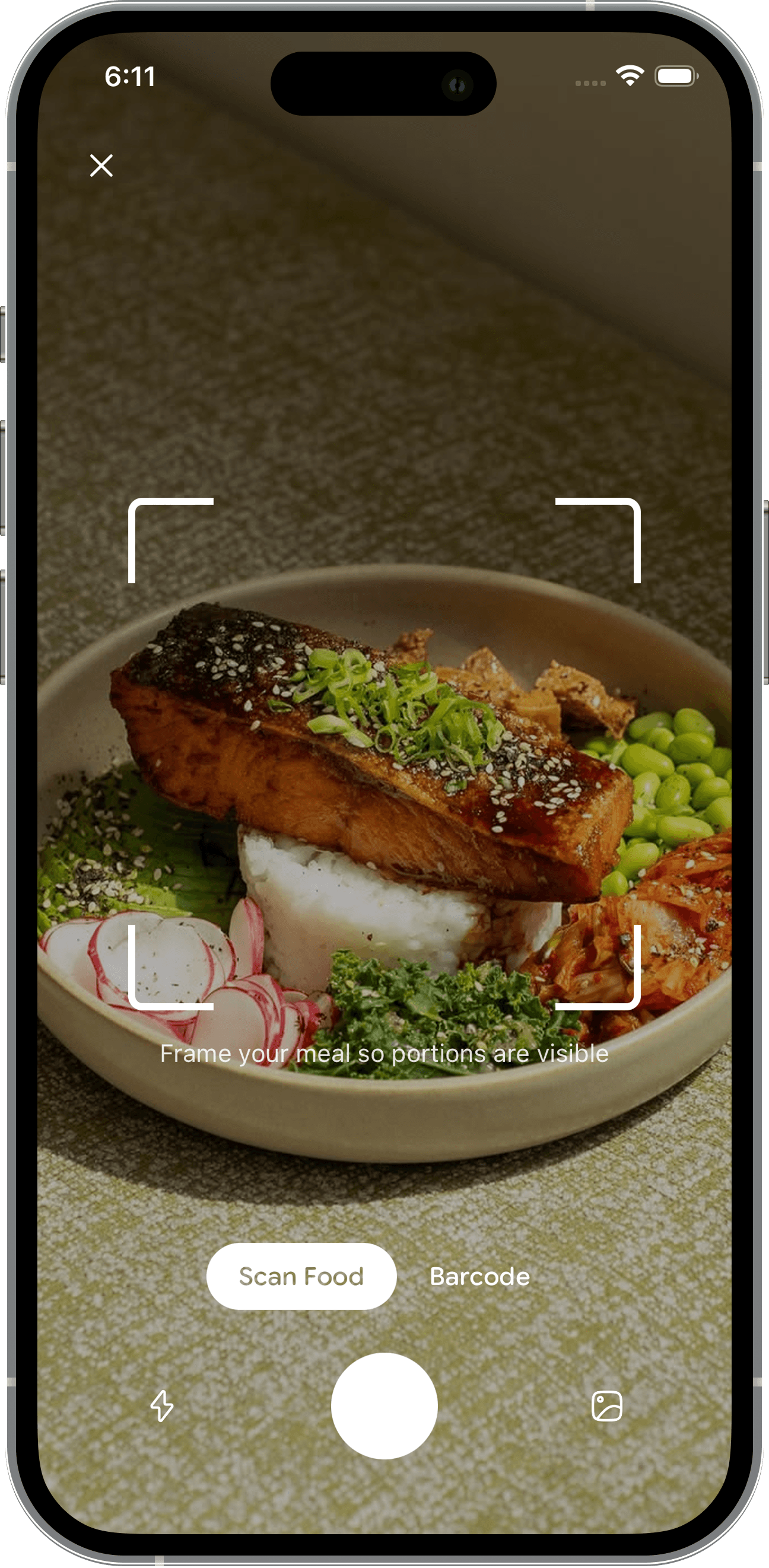
Check a whole plate in seconds.
Not sure about a whole meal? Scan it with the Gut Friendly app.
Get the appRelated foods


Sources and editorial notes
- Monash: FODMAP questions and food preparation
Explains FODMAPs, portion dependence and preparation differences; not a citation for this numerical reference table.