

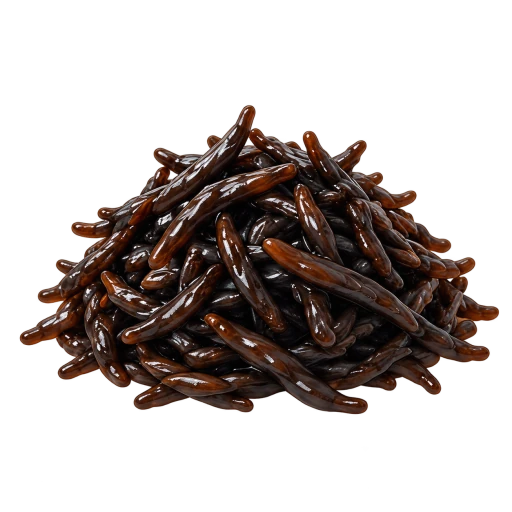
Hijiki Seaweed (Cooked, Japan)
Vegetables · Vegetables
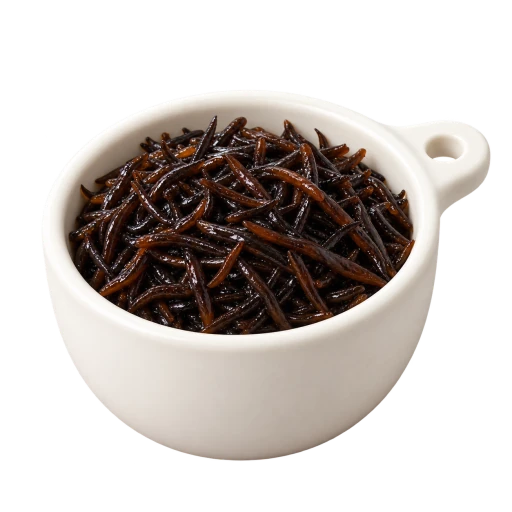
Cooked hijiki is green for FODMAPs at 64 g, about half a cup, in the Japan-labelled Monash entry. However, the Canadian Food Inspection Agency advises avoiding hijiki because it can contain high levels of inorganic arsenic. A green FODMAP result should not be used as a reason to eat it.
Serving sizes for hijiki seaweed (cooked, japan)
Cooked Japanese hijiki: 64 g green and an app green range up to 500 g. Neither figure is an eating recommendation; CFIA advises avoiding hijiki.
Tested serving sizes
| Serving | Amount | Main FODMAP | Rating |
|---|---|---|---|
| 1/2 cup | 64 g | None detected | |
| 500 g portion | 500 g | None detected |
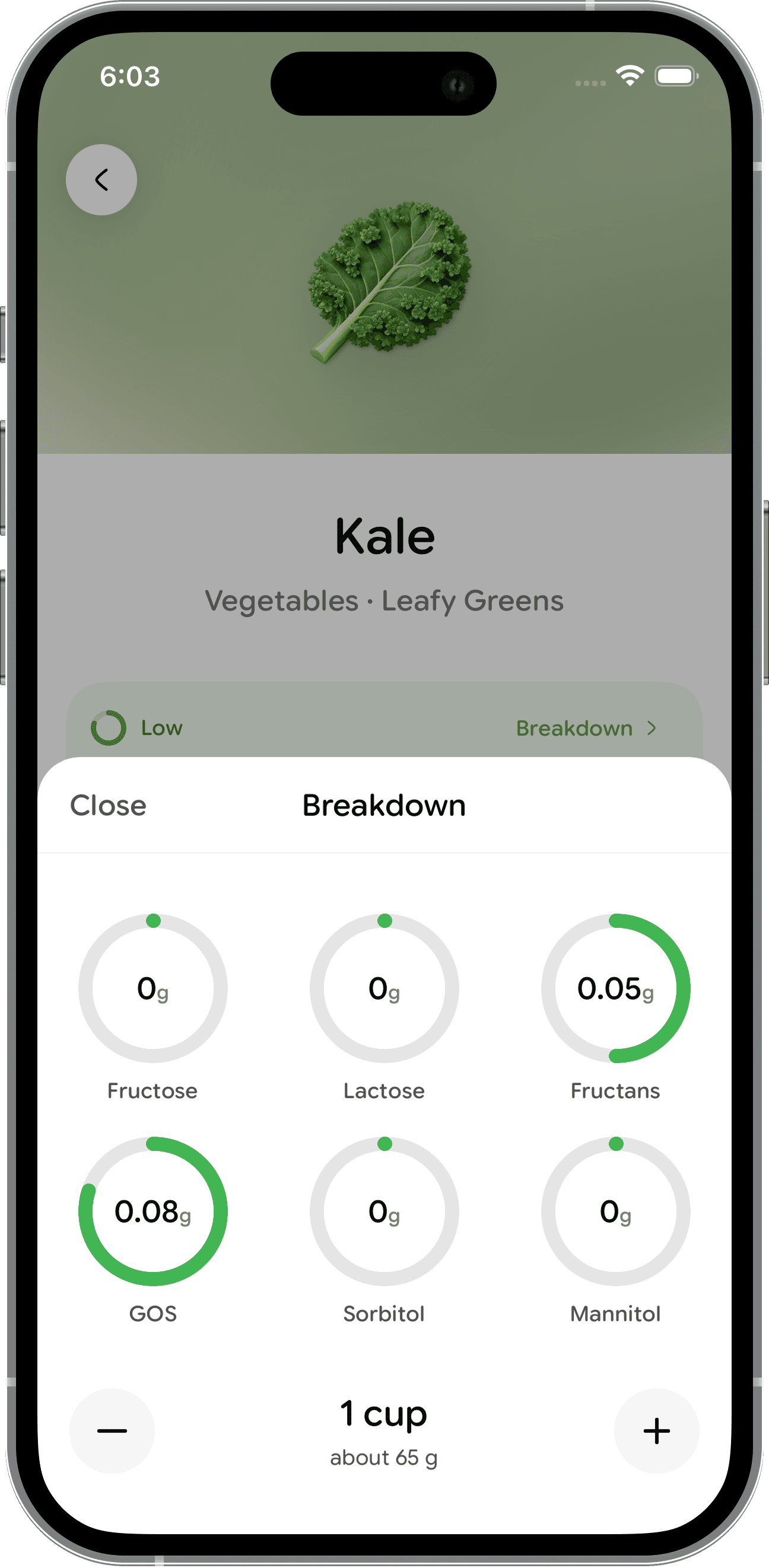
Breakdown for 0.5 cups
Is hijiki seaweed (cooked, japan) low FODMAP?
All six FODMAP indicators are green in the checked portion. The app also describes a green range up to 500 g. That range concerns fermentable carbohydrates; it does not assess arsenic, establish food safety or override the separate advice to avoid hijiki. It is not a recommended serving range.
Hijiki Seaweed (Cooked, Japan) and IBS: what to know
This distinction matters when choosing foods for IBS: a carbohydrate test answers a narrower question than whether a food is appropriate to consume. This page retains the source's FODMAP information so readers can understand the listing, while putting the relevant food-safety advice alongside it.
Gut-friendly ways to eat hijiki seaweed (cooked, japan)
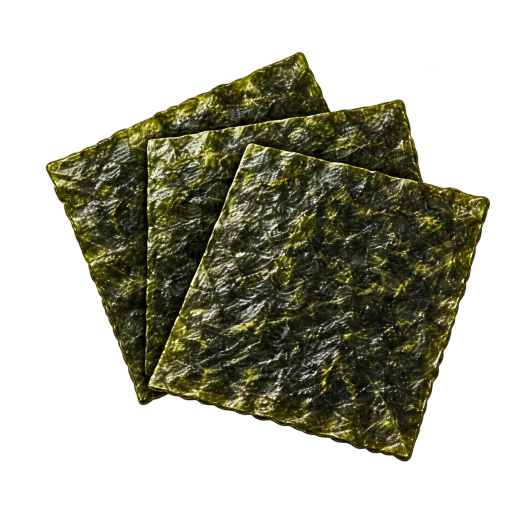
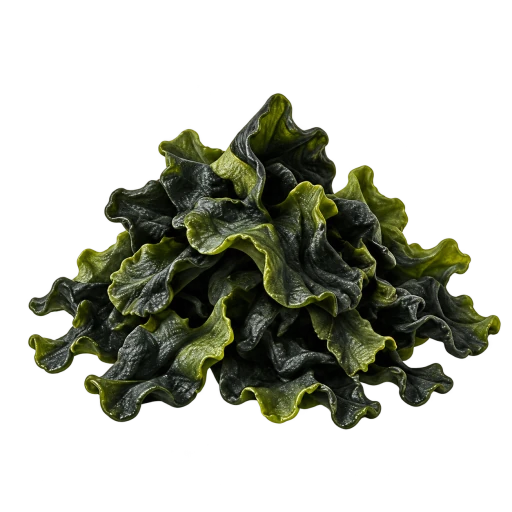
When a recipe or package names hijiki, do not rely on its traffic-light colour alone. CFIA's warning is specific to hijiki; this guide does not establish a home treatment that removes the concern. For information about different seaweeds, see plain nori and wakame flakes, assessing each food on its own evidence.
Frequently asked questions
Does low FODMAP mean hijiki is safe?
No. FODMAP ratings and contaminant advice address different questions. The Canadian authority's advice is to avoid hijiki because of inorganic arsenic.
Does the word cooked remove the arsenic concern?
The inspected Monash preparation is cooked, but its carbohydrate rating does not demonstrate removal of arsenic. This guide does not recommend cooking as a workaround.
Why keep the FODMAP reference on the page?
It explains what the database entry means and where that assessment stops, helping readers avoid treating a green icon as a general safety endorsement.
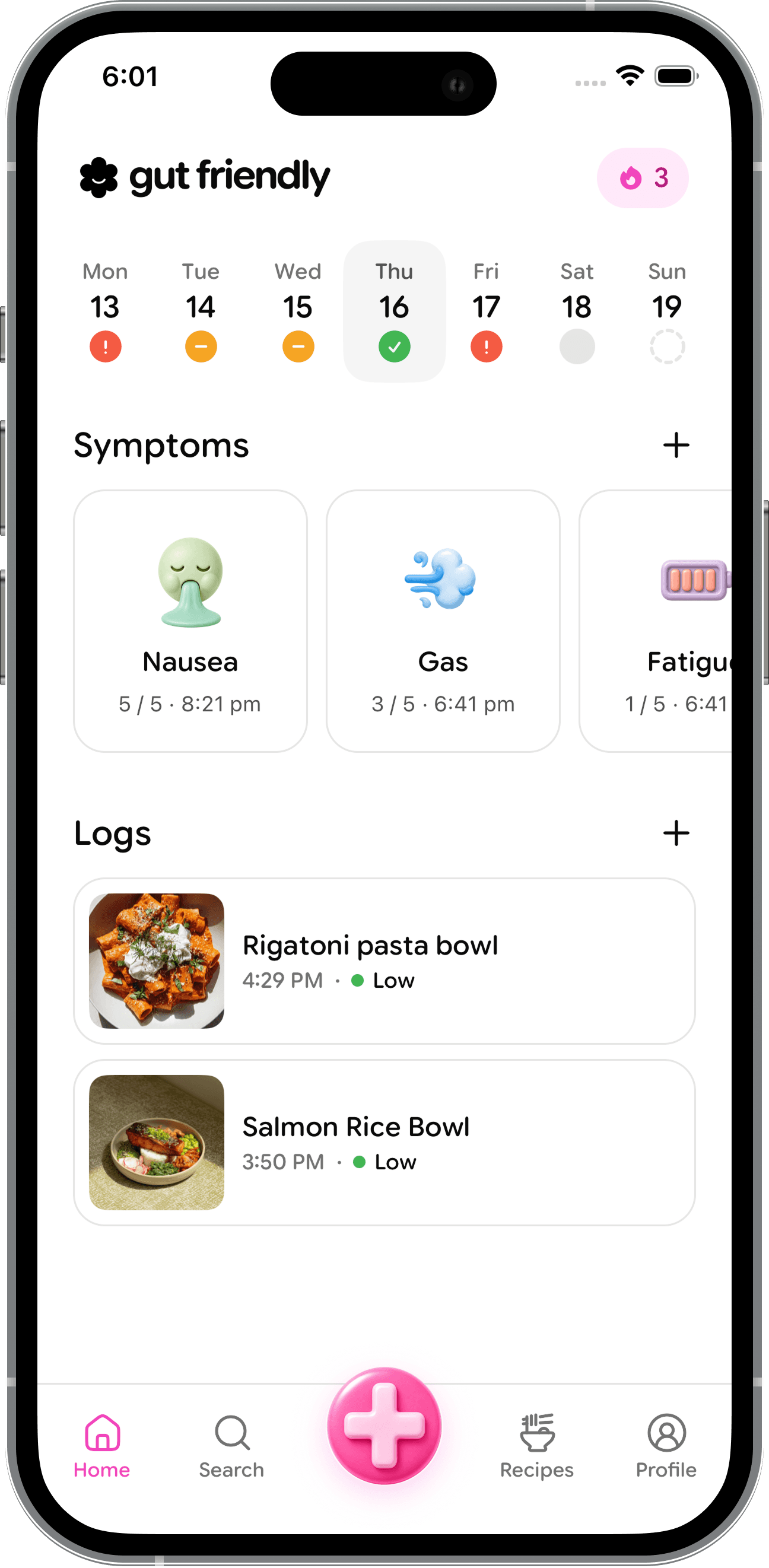
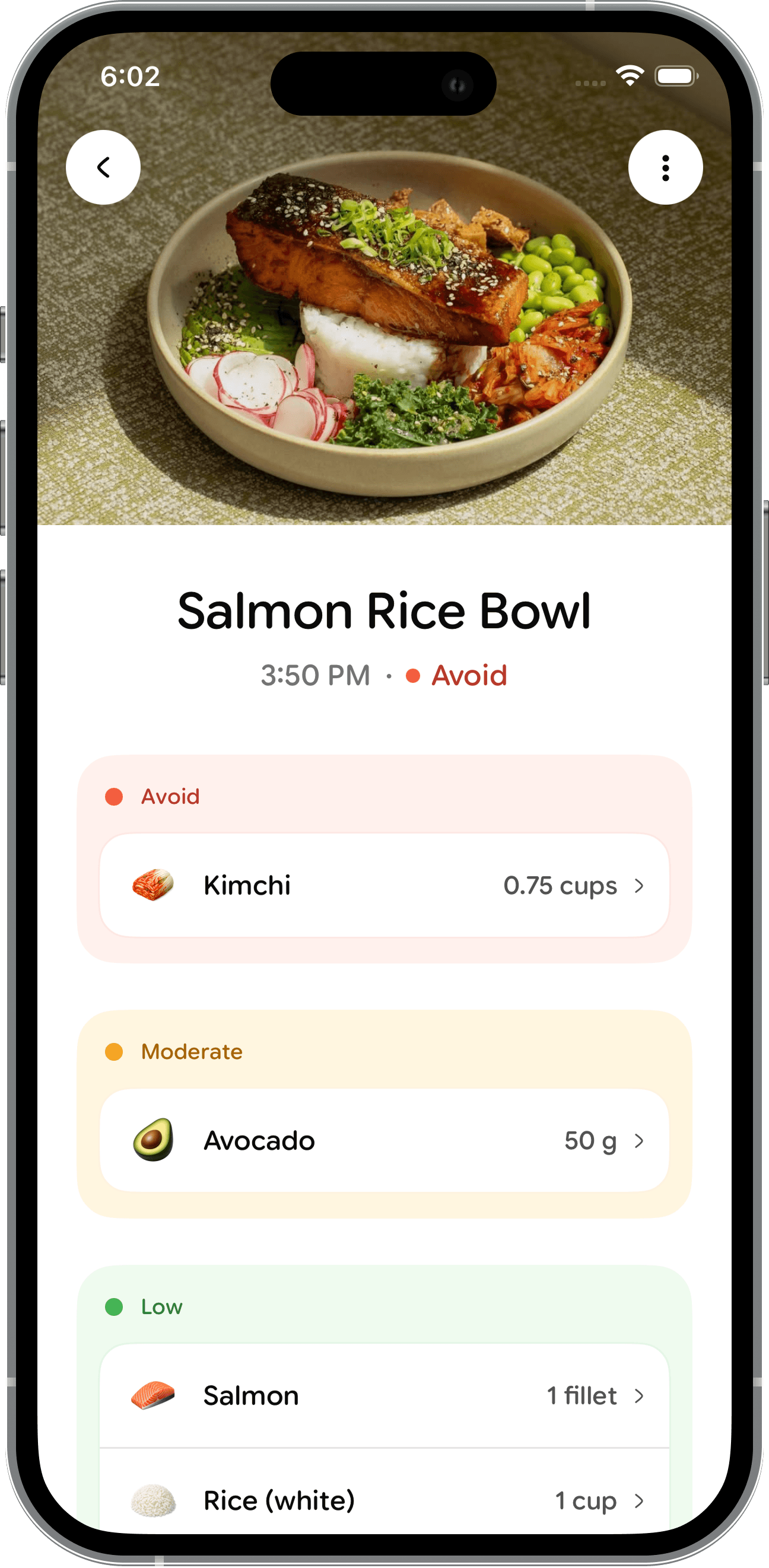
Check a whole plate in seconds.
Not sure about a whole meal? Scan it with the Gut Friendly app.
Get the appRelated foods
Sources and editorial notes
- Monash University FODMAP Diet App
Monash University FODMAP Diet app entry “Seaweed, hijiki, cooked” checked directly on 27 September 2026. The portion weights, traffic-light ratings and FODMAP groups discussed here were verified in matching detail panels. Numerical FODMAP concentration estimates elsewhere in the catalogue were not validated by this check.
- Canadian Food Inspection Agency — Inorganic arsenic and hijiki seaweed
Advice to avoid hijiki checked 27 September 2026. This food-safety advice is separate from FODMAP testing.