


Flour (gluten-free blend)
Grains · Flour
Flour (gluten-free blend): the low FODMAP reference is 100 g. Use the plain gluten-free flour preparation; added fibres and different flour blends need their own checks.
Serving sizes for flour (gluten-free blend)
Flour, gluten free, plain: 100 g low. Use the stated preparation and unit.

Reference portions
Select an amount or rating to update your portion. These are reference portions, not exact cut-offs or recommended intakes.| Serving | Amount | FODMAP rating |
|---|---|---|
| 100 g reference portion | ||
| Reference portion | Not available | |
| Reference portion | Not available |
Is flour (gluten-free blend) low FODMAP?
The references for flour, gluten free, plain are 100 g low. They are comparison portions, not exact transition cutoffs or personal tolerance limits. No moderate or high reference is supplied; an unavailable value does not mean zero.
Flour (gluten-free blend) and IBS: what to know
For flour (gluten-free blend), keep the exact form and amount in mind. Check the complete ingredient list when comparing products. Gluten-free or similar front-of-pack wording is not a portion-specific FODMAP assessment. Monash: ingredient labels and FODMAPs. This public source supplies background, not verification of the numerical table.
Gut-friendly ways to eat flour (gluten-free blend)
Use the plain gluten-free flour preparation; added fibres and different flour blends need their own checks. Compare Flour (rice), Corn Flour (Masa Harina / Masa Lista). These guides describe their own preparations and portions.
Frequently asked questions
What is the FODMAP portion for flour (gluten-free blend)?
Flour (gluten-free blend): 100 g low. These values apply to flour, gluten free, plain.
How should I measure or check flour (gluten-free blend)?
Use the plain gluten-free flour preparation; added fibres and different flour blends need their own checks.
Which other guides are useful when comparing flour (gluten-free blend)?
Compare Flour (rice), Corn Flour (Masa Harina / Masa Lista). These guides describe their own preparations and portions.

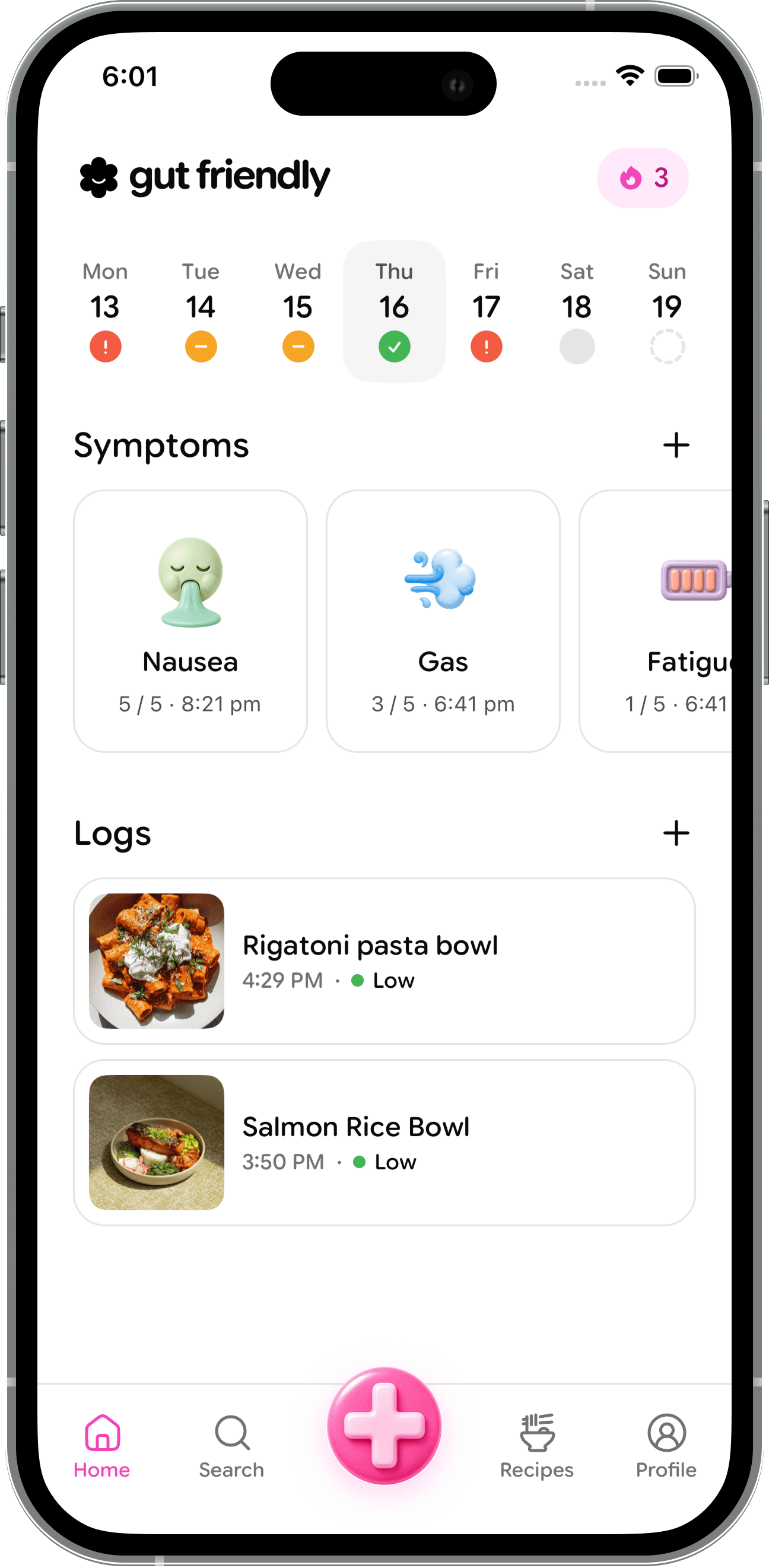
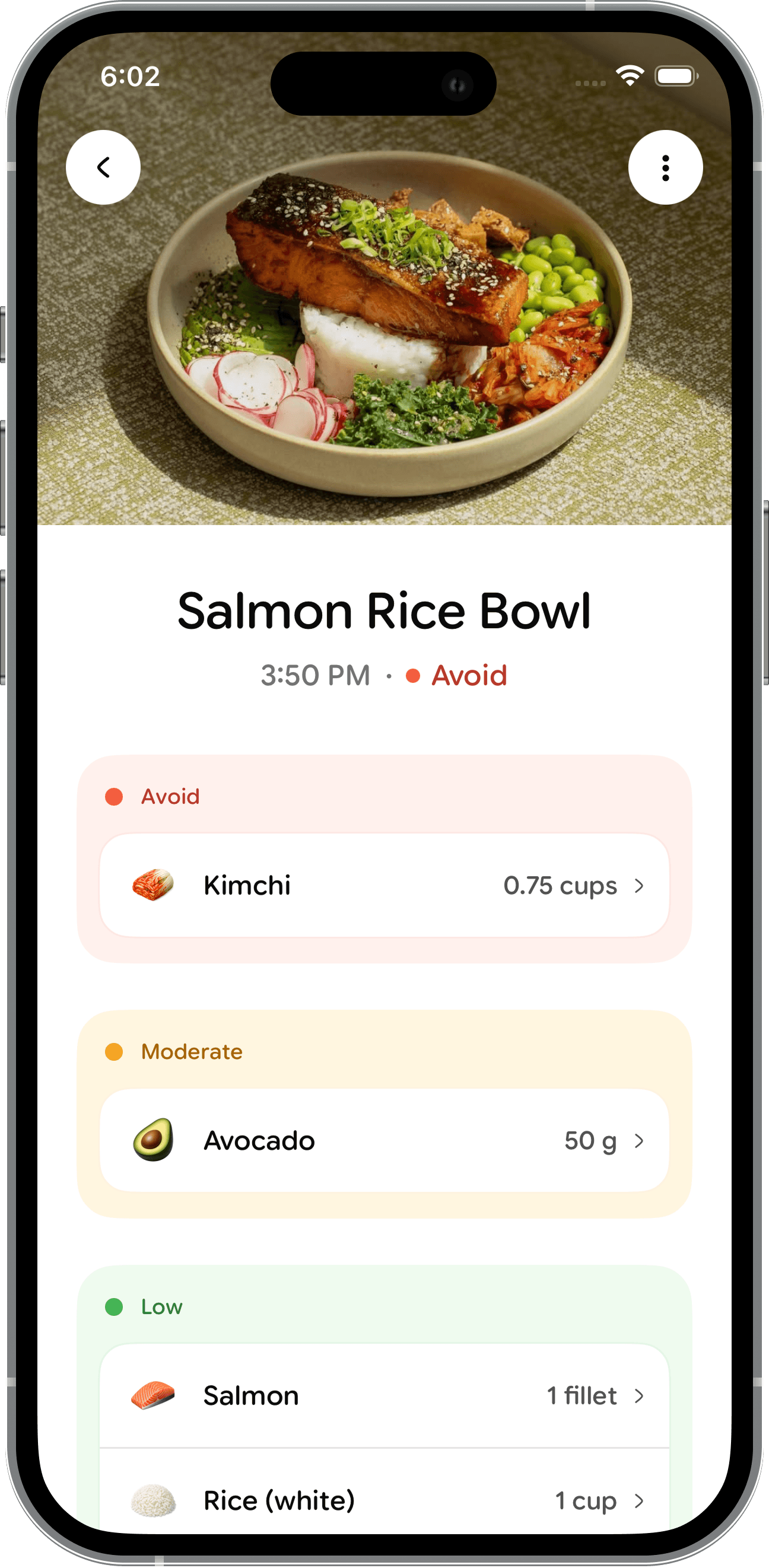
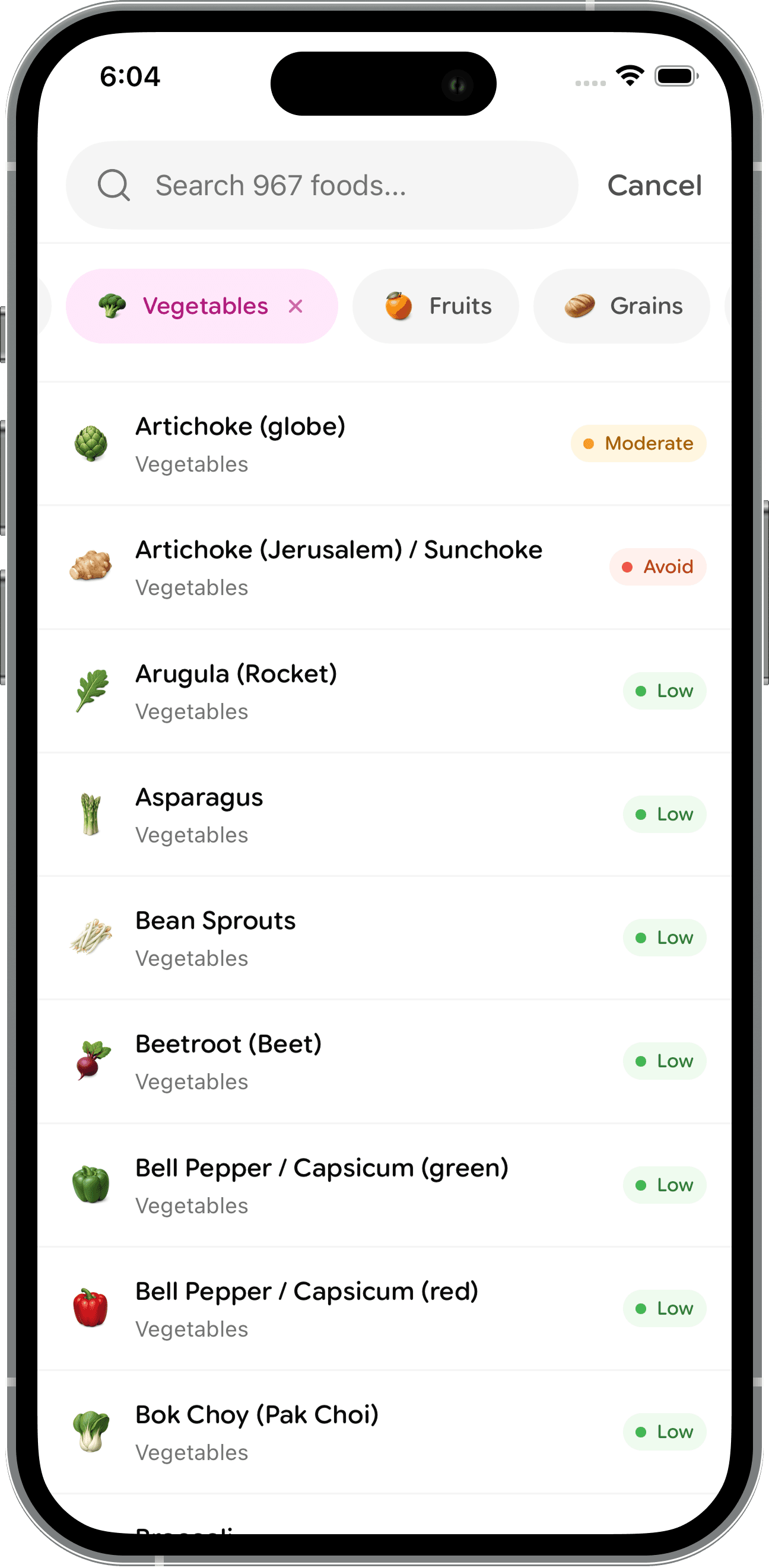
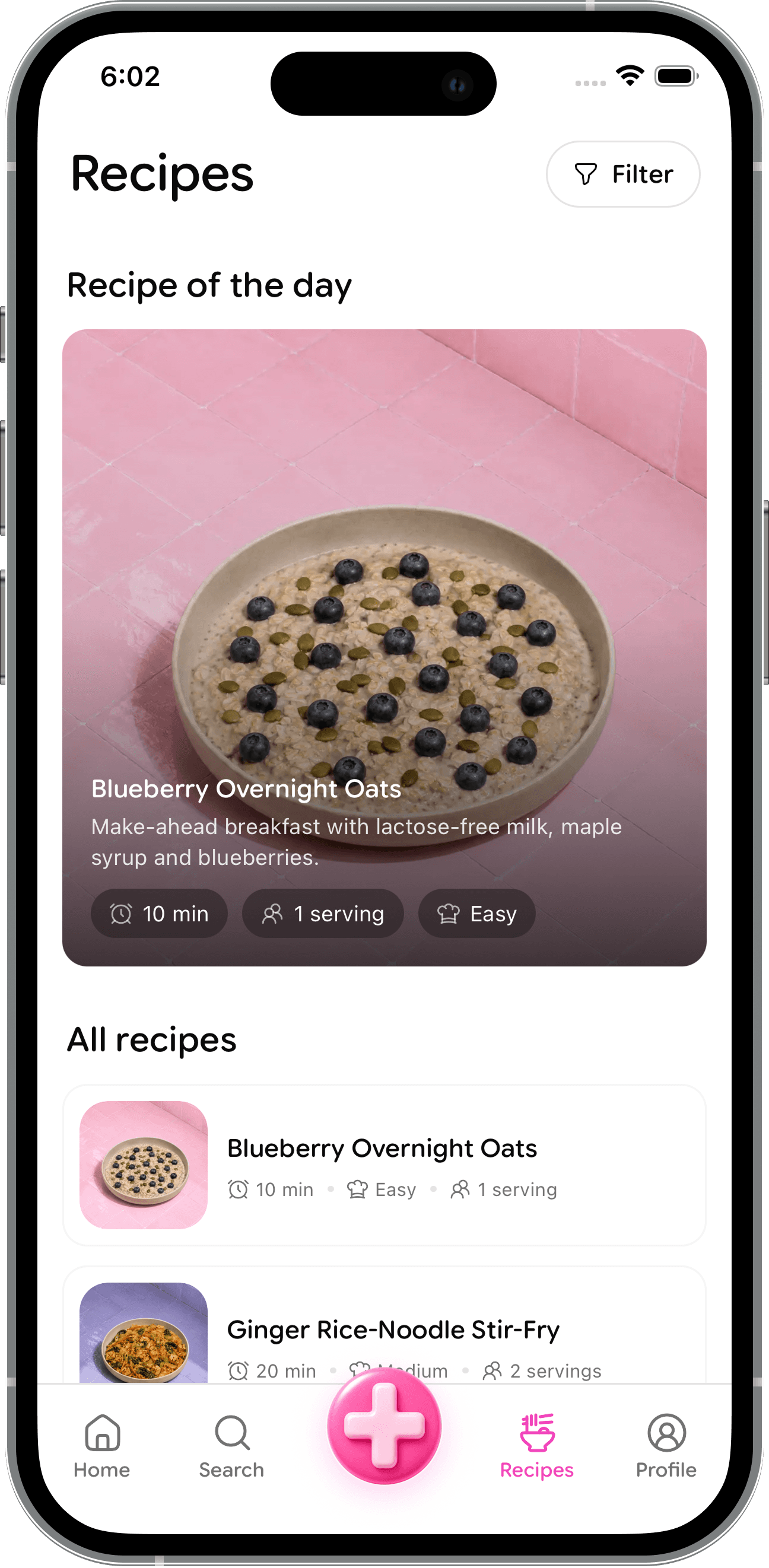
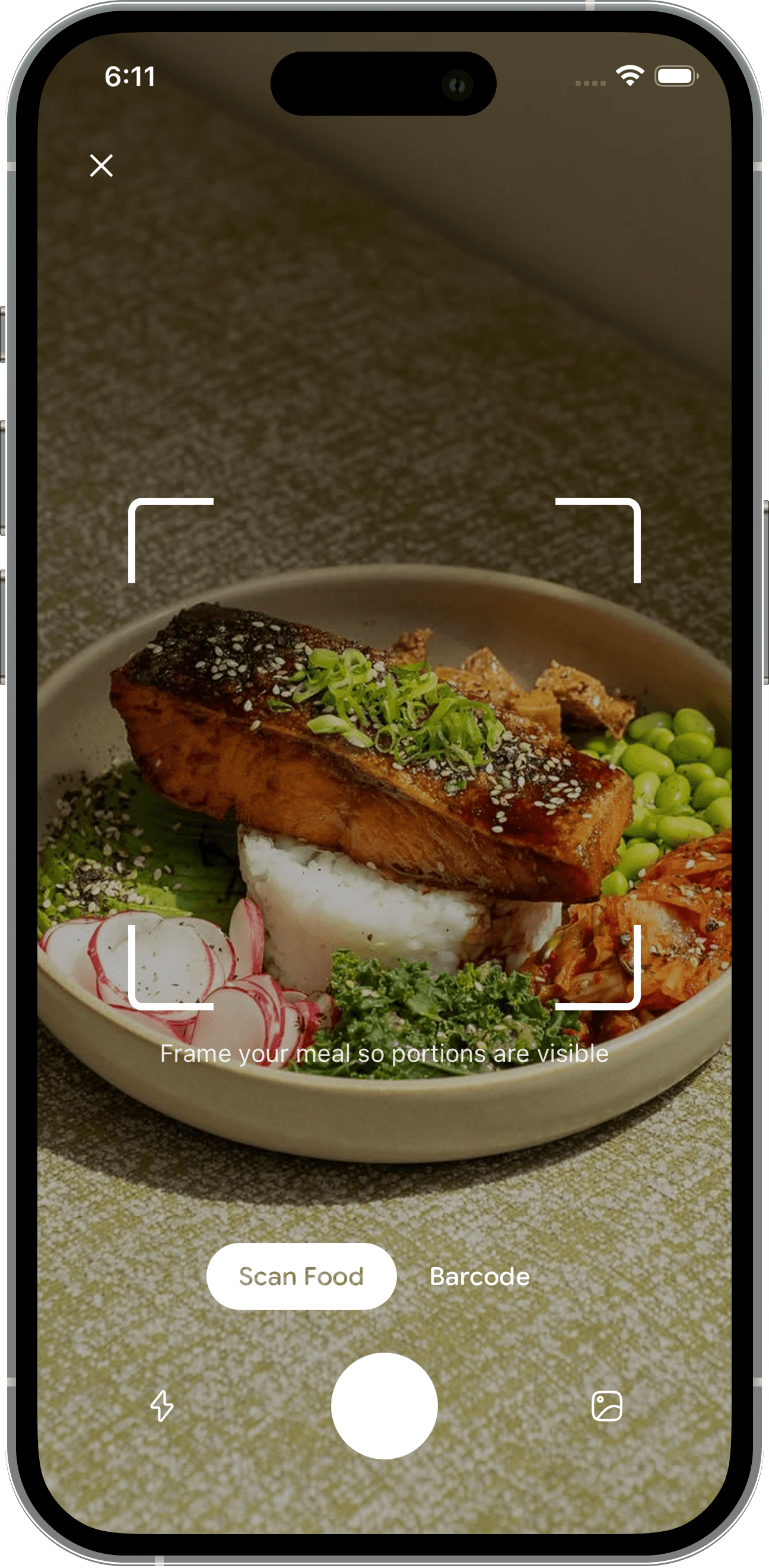
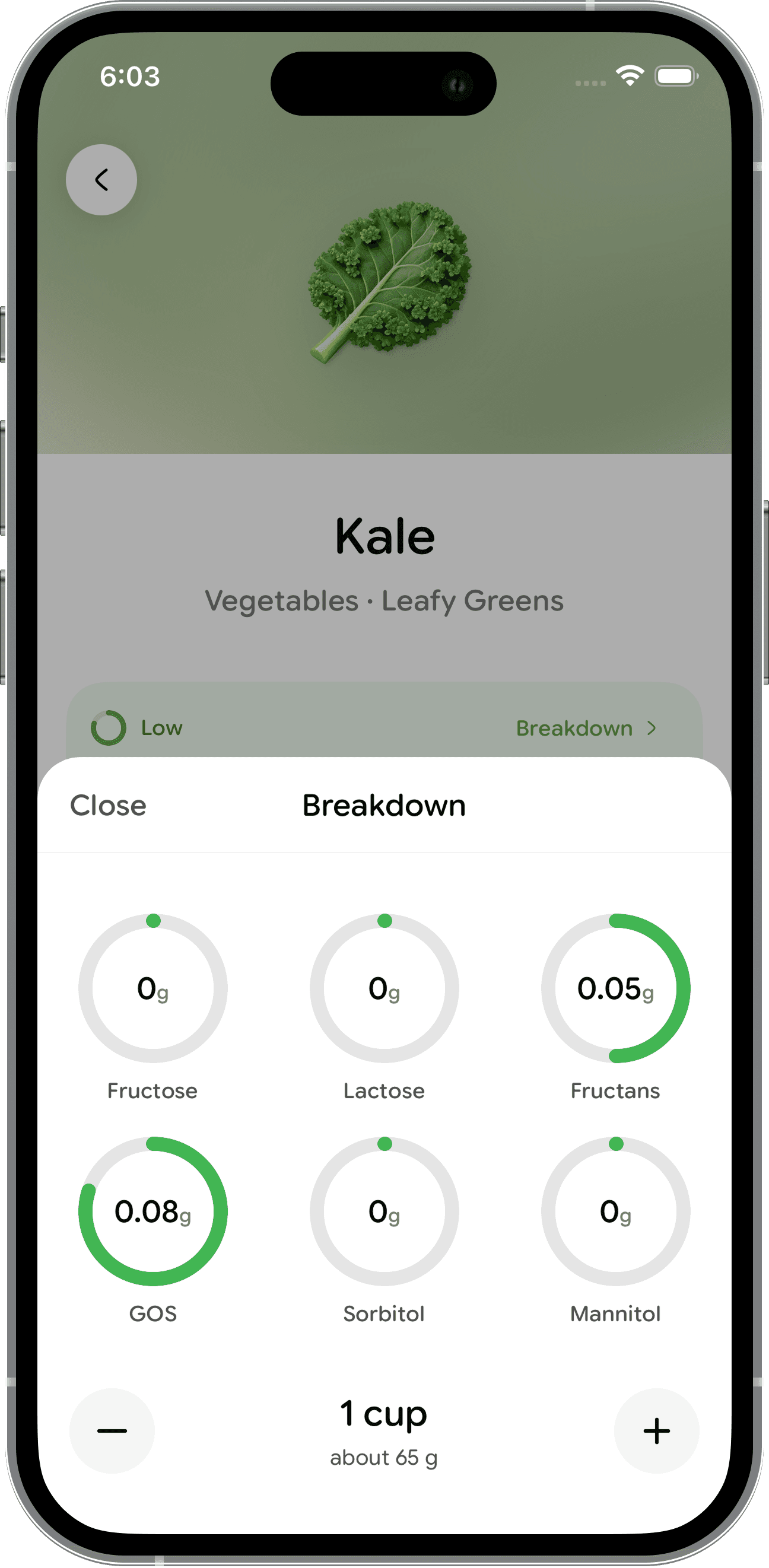
Check a whole plate in seconds.
Not sure about a whole meal? Scan it with the Gut Friendly app.
Get the appRelated foods


Sources and editorial notes
- Monash: ingredient labels and FODMAPs
Supports checking formulations and distinguishing gluten-free claims from low FODMAP; does not verify this product or its numerical portions.