


Cream (Sour, Regular Fat)
Dairy · Cream Butter
Cream (Sour, Regular Fat): the low FODMAP reference is 40 g. Measure sour cream by weight, including extra spoonfuls added at the table.
Serving sizes for cream (sour, regular fat)
Cream, sour, regular fat: 40 g low, 80 g moderate. Use the stated preparation and unit.

Reference portions
Select an amount or rating to update your portion. These are reference portions, not exact cut-offs or recommended intakes.| Serving | Amount | FODMAP rating |
|---|---|---|
| 40 g reference portion | ||
| 80 g reference portion | ||
| Reference portion | Not available |
Is cream (sour, regular fat) low FODMAP?
The references for cream, sour, regular fat are 40 g low, 80 g moderate. They are comparison portions, not exact transition cutoffs or personal tolerance limits. No high reference is supplied; an unavailable value does not mean zero.
Cream (Sour, Regular Fat) and IBS: what to know
For cream (sour, regular fat), keep the exact form and amount in mind. Lactose is a milk sugar; dairy fat and protein are different. A lactose-free claim does not establish the FODMAP content of every added ingredient. Monash: dairy and lactose. This public source supplies background, not verification of the numerical table.
Gut-friendly ways to eat cream (sour, regular fat)
Measure sour cream by weight, including extra spoonfuls added at the table. Compare Cream (Thickened, Regular Fat), Crème Fraiche. These guides describe their own preparations and portions.
Frequently asked questions
What is the FODMAP portion for cream (sour, regular fat)?
Cream (Sour, Regular Fat): 40 g low, 80 g moderate. These values apply to cream, sour, regular fat.
How should I measure or check cream (sour, regular fat)?
Measure sour cream by weight, including extra spoonfuls added at the table.
Which other guides are useful when comparing cream (sour, regular fat)?
Compare Cream (Thickened, Regular Fat), Crème Fraiche. These guides describe their own preparations and portions.

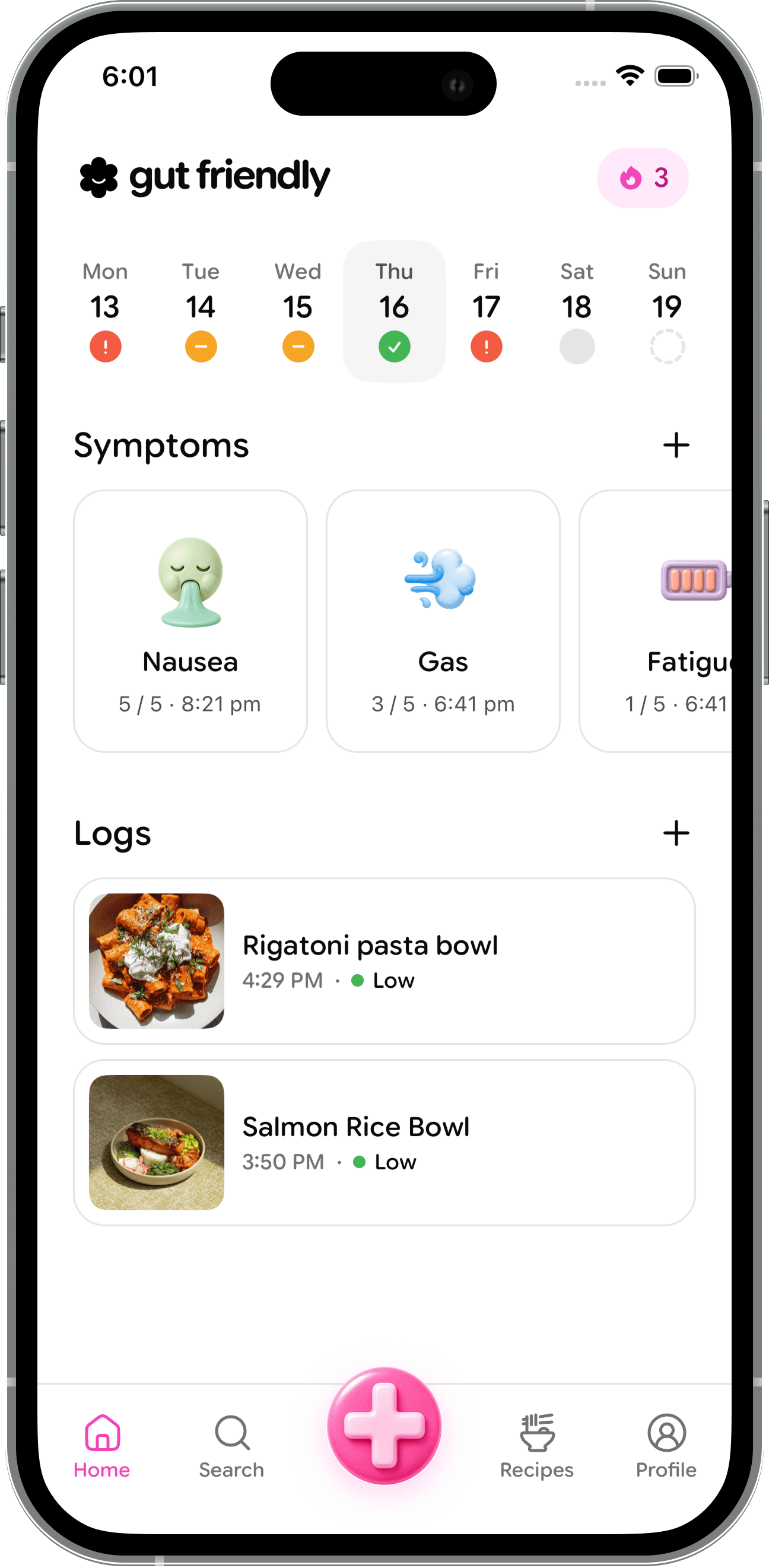
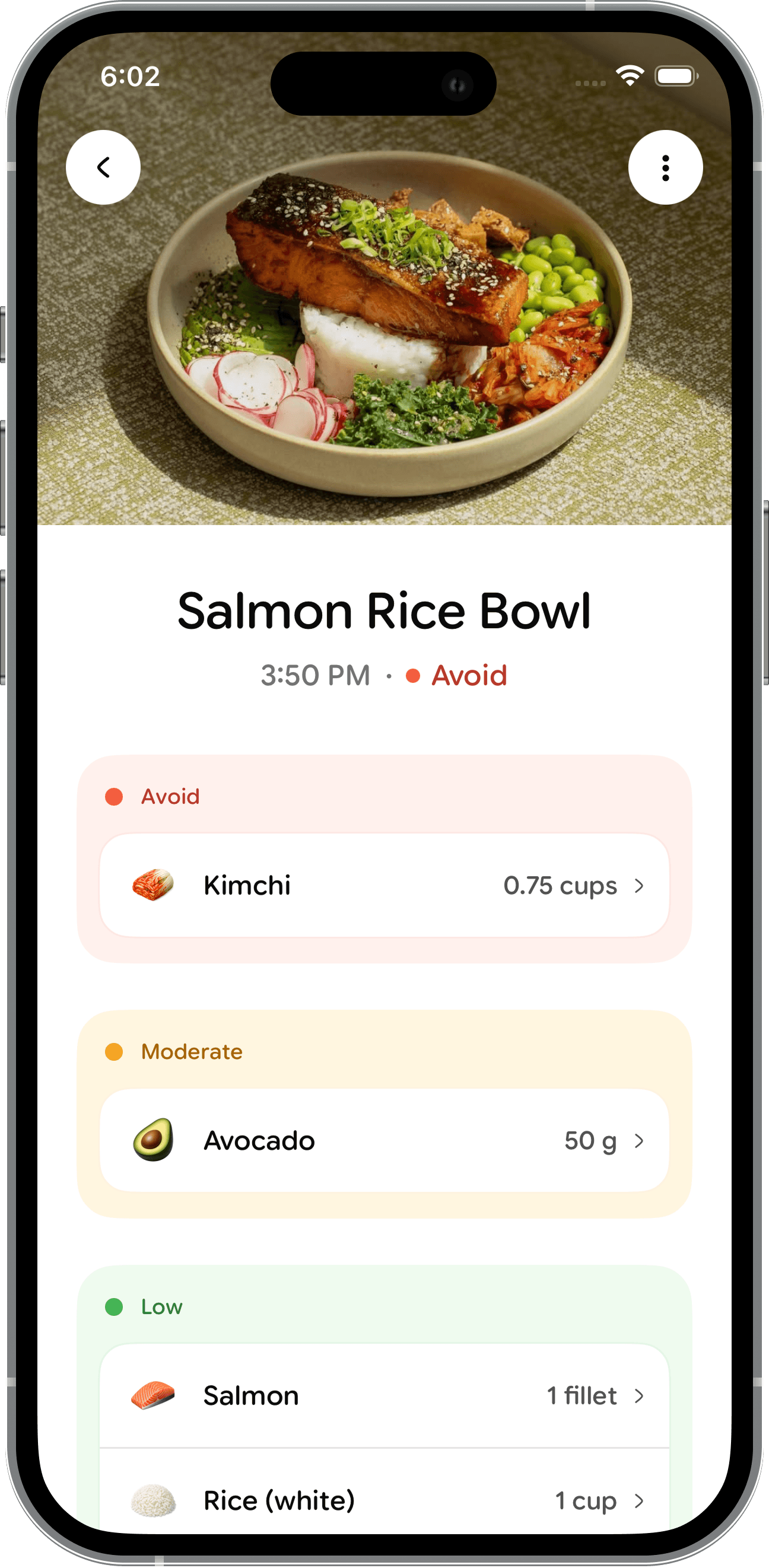
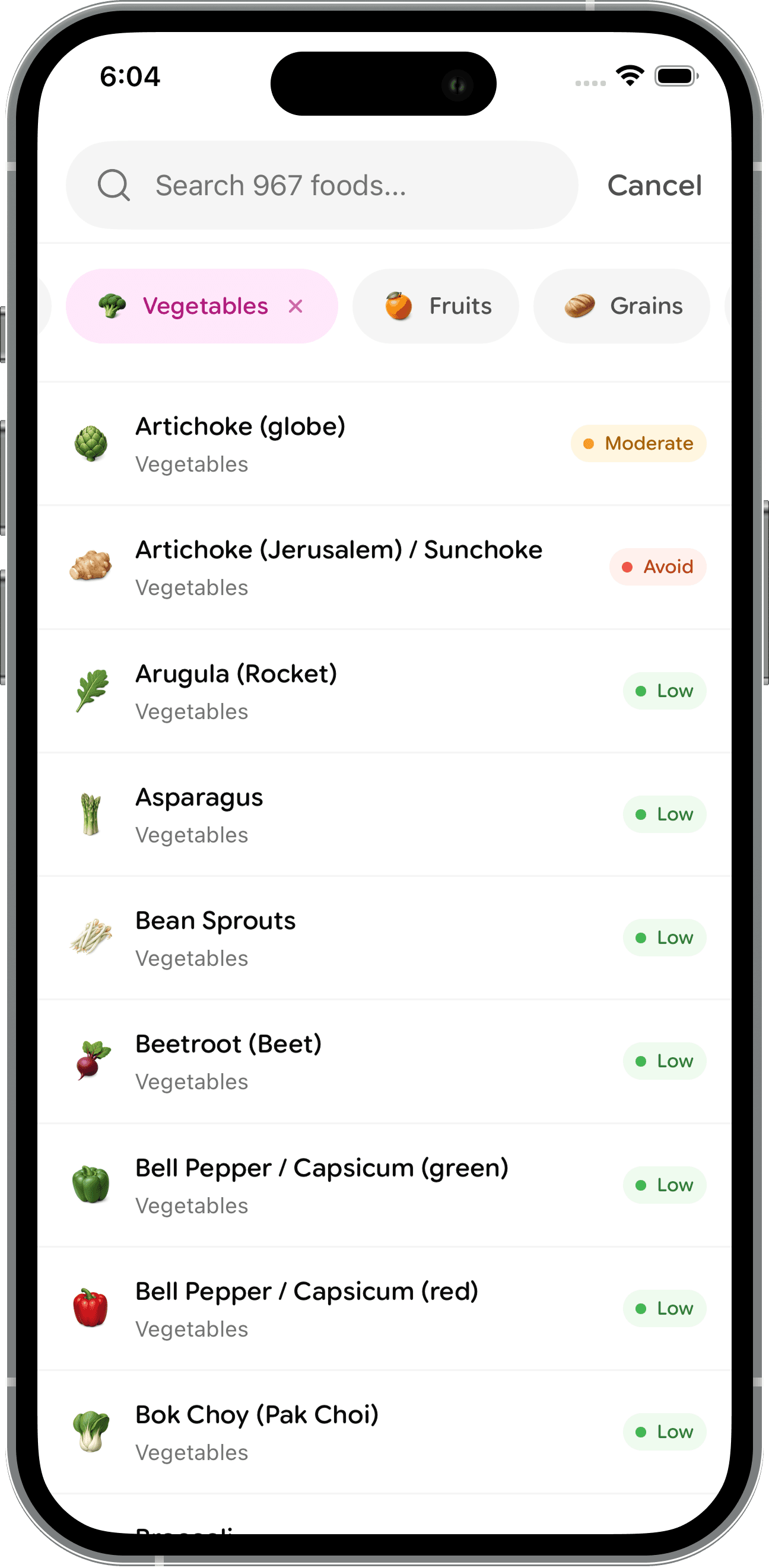
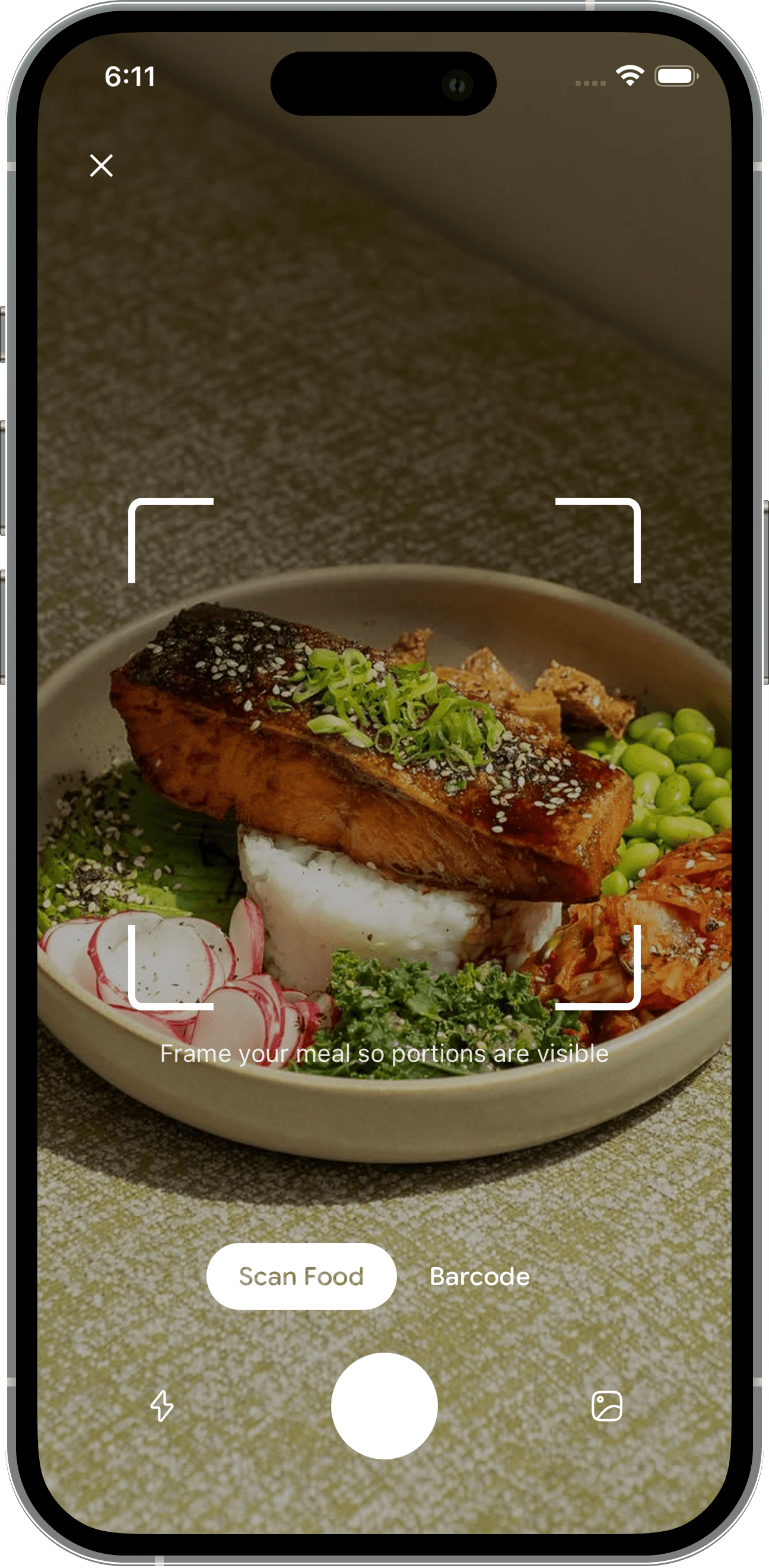
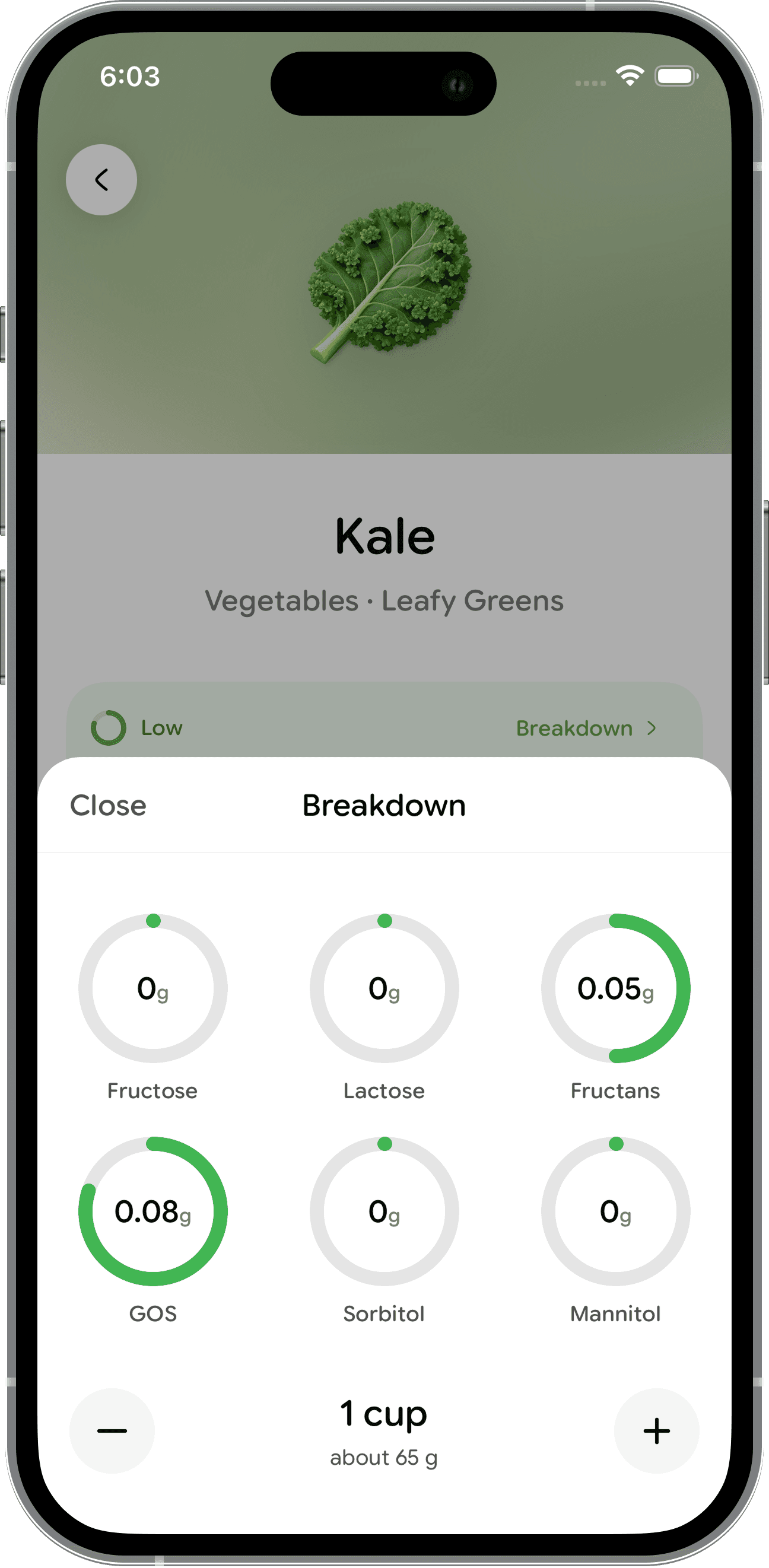
Check a whole plate in seconds.
Not sure about a whole meal? Scan it with the Gut Friendly app.
Get the appRelated foods


Sources and editorial notes
- Monash: dairy and lactose
Explains lactose versus dairy and lactose-free labelling; does not establish these food-specific portion weights.