


Chickpea Pasta (Cooked)
Grains · Pasta
Chickpea pasta, cooked: the recorded FODMAP references are 100 g low, 113 g moderate, 133 g high.
Serving sizes for chickpea pasta (cooked)
Chickpea pasta, cooked: 100 g low, 113 g moderate, 133 g high. Use the stated preparation and unit; intermediate amounts are not separately verified.

Reference portions
Select an amount or rating to update your portion. These are reference portions, not exact cut-offs or recommended intakes.| Serving | Amount | FODMAP rating |
|---|---|---|
| 1 cup | ||
| 1.13 cups | ||
| 1.33 cups |
Is chickpea pasta (cooked) low FODMAP?
These references apply to chickpea pasta, cooked. They describe individual reference portions, not exact transition cutoffs or a personal tolerance limit. Compare Brown Rice Pasta (Cooked). Each guide describes its own preparation; a related food is not automatically a like-for-like substitute.
Chickpea Pasta (Cooked) and IBS: what to know
Use the named preparation when comparing portions. Read the supporting background. Legume preparation background; not an exact portion citation.
Gut-friendly ways to eat chickpea pasta (cooked)
Weigh after cooking for this preparation; a dry ingredient weight is not interchangeable with its cooked weight.
Frequently asked questions
What is the low FODMAP portion for chickpea pasta (cooked)?
The low reference is 100 g. The full references are 100 g low, 113 g moderate, 133 g high.
Can another preparation use these portions?
Compare Brown Rice Pasta (Cooked). Each guide describes its own preparation; a related food is not automatically a like-for-like substitute.
How should I measure this food?
Weigh after cooking for this preparation; a dry ingredient weight is not interchangeable with its cooked weight.

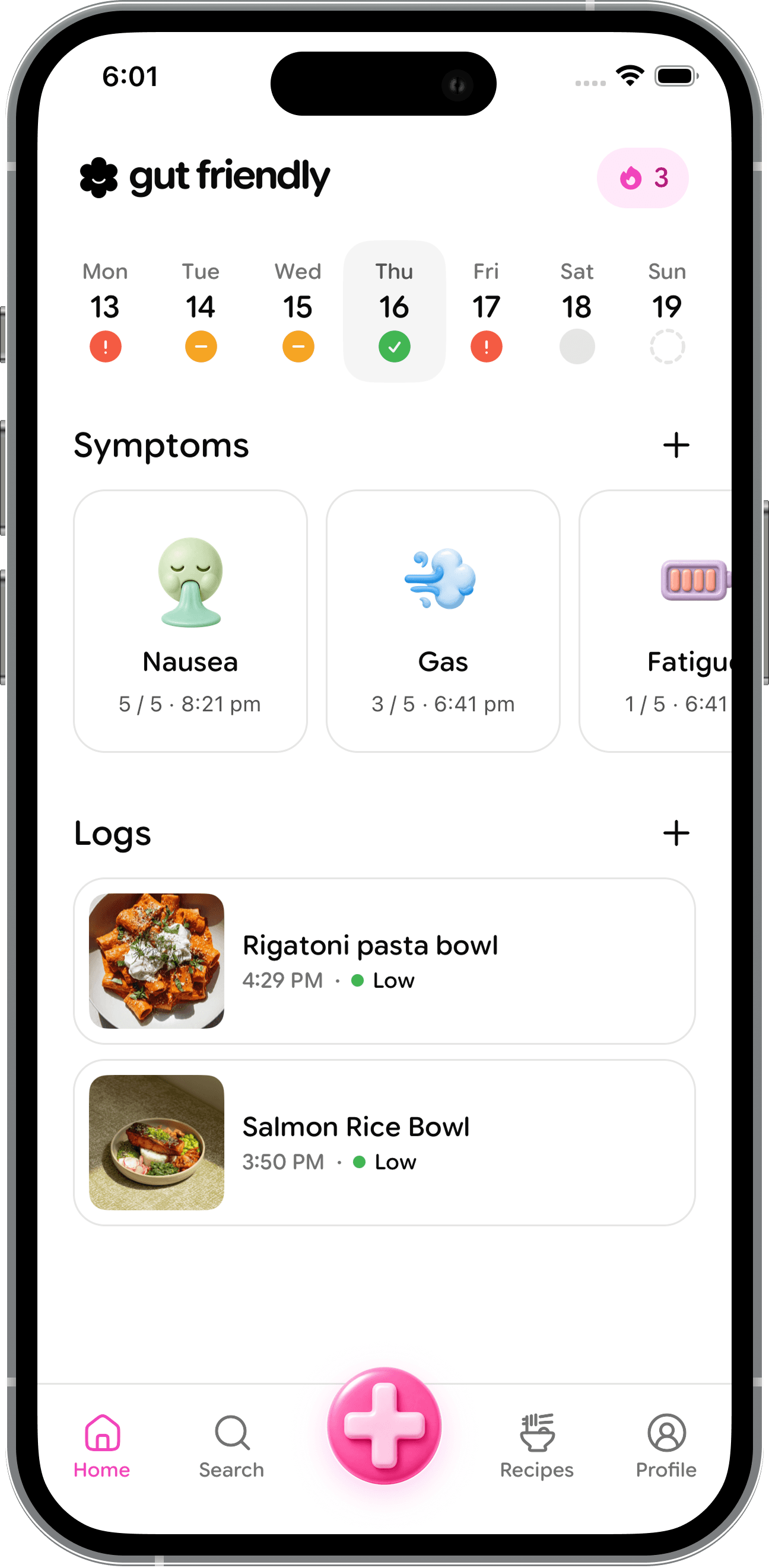
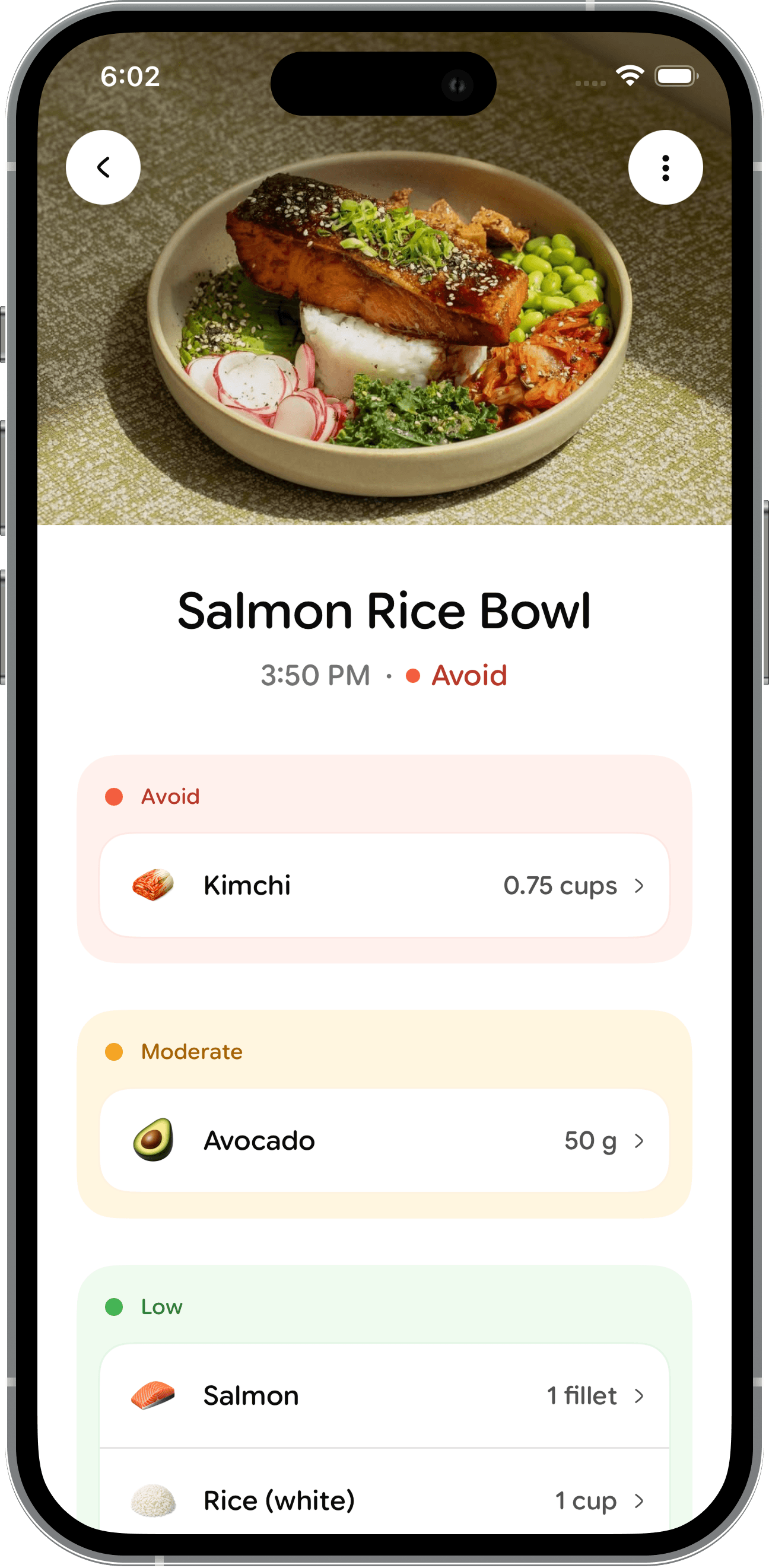
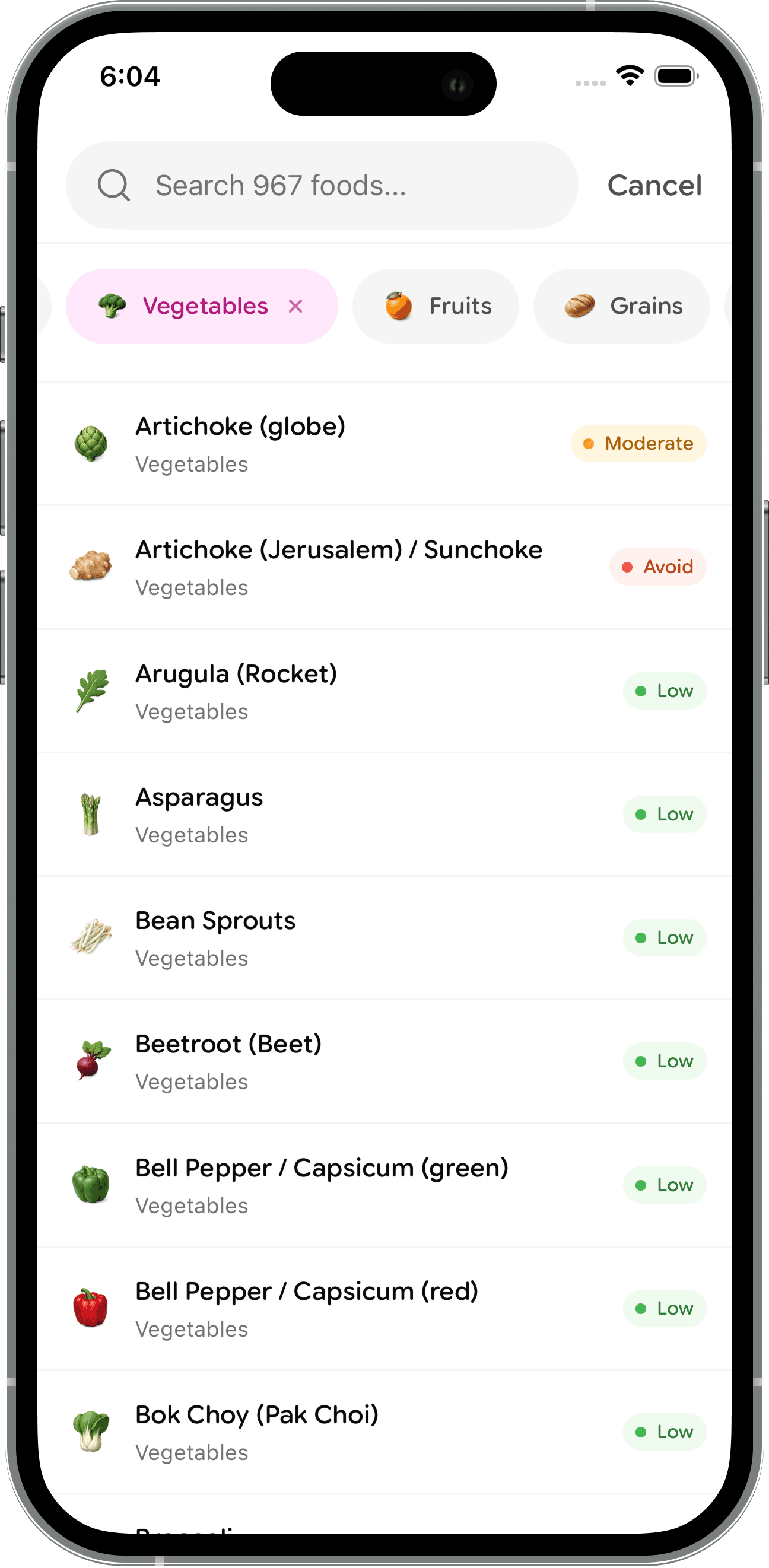
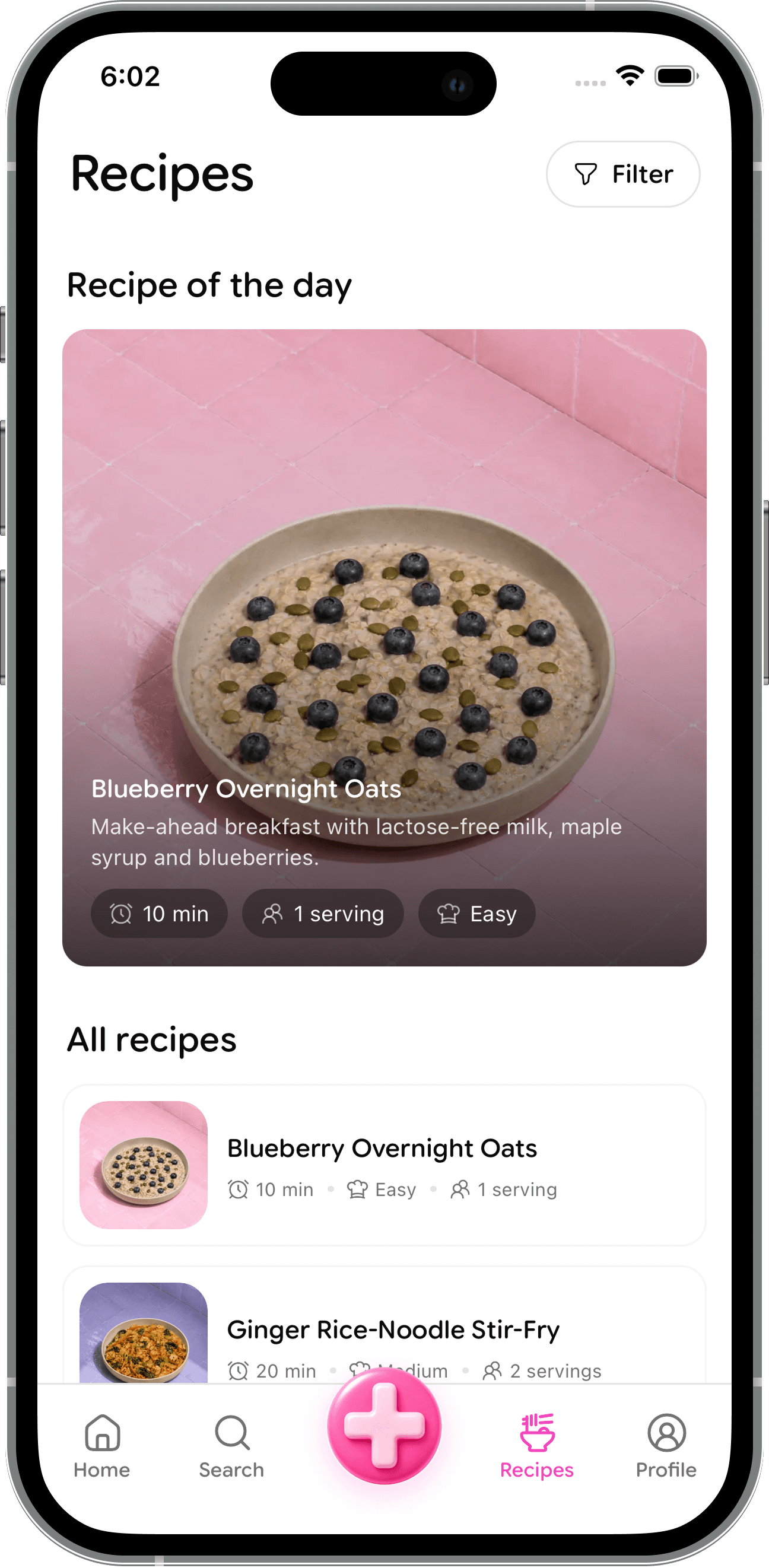
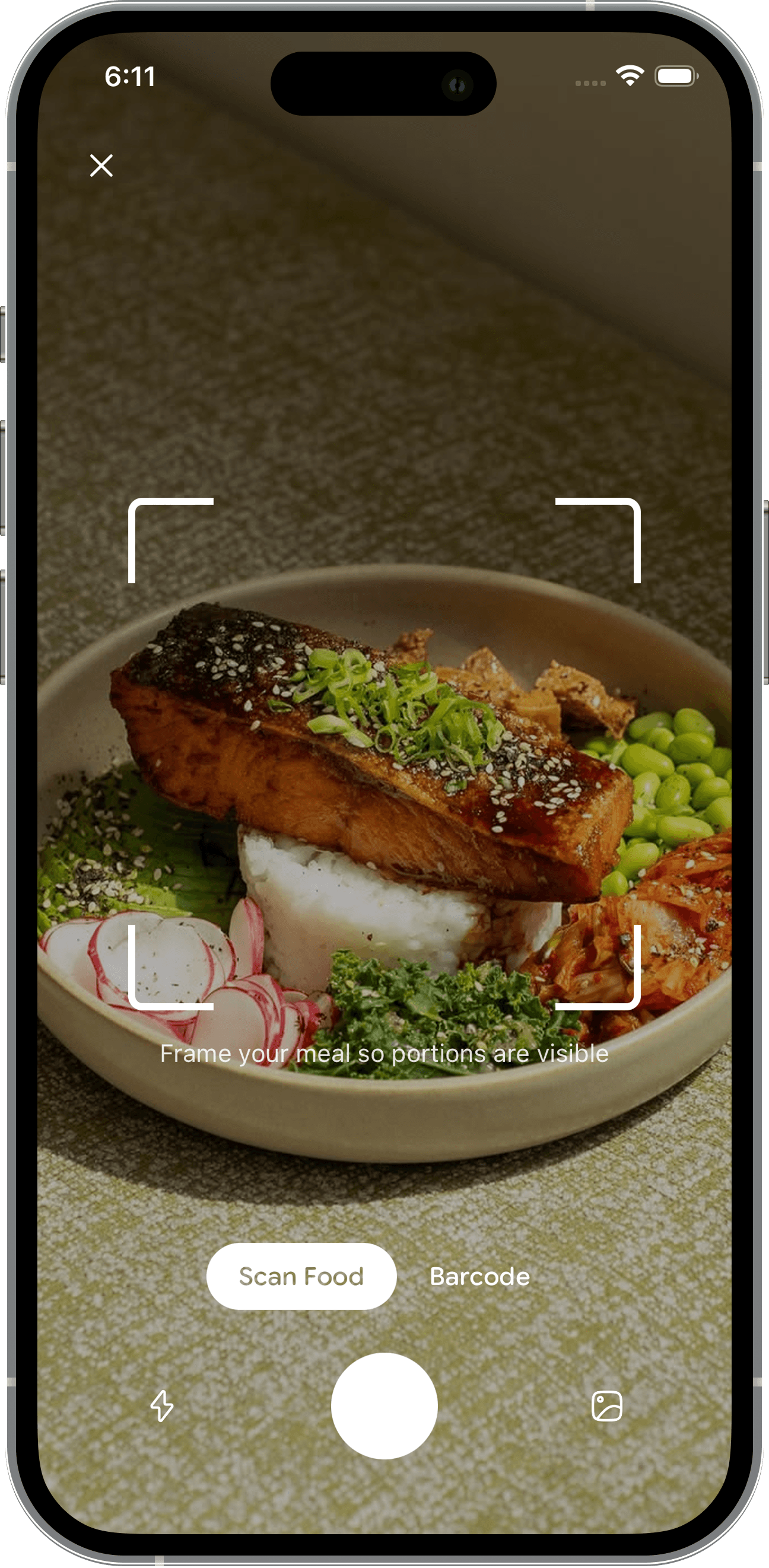
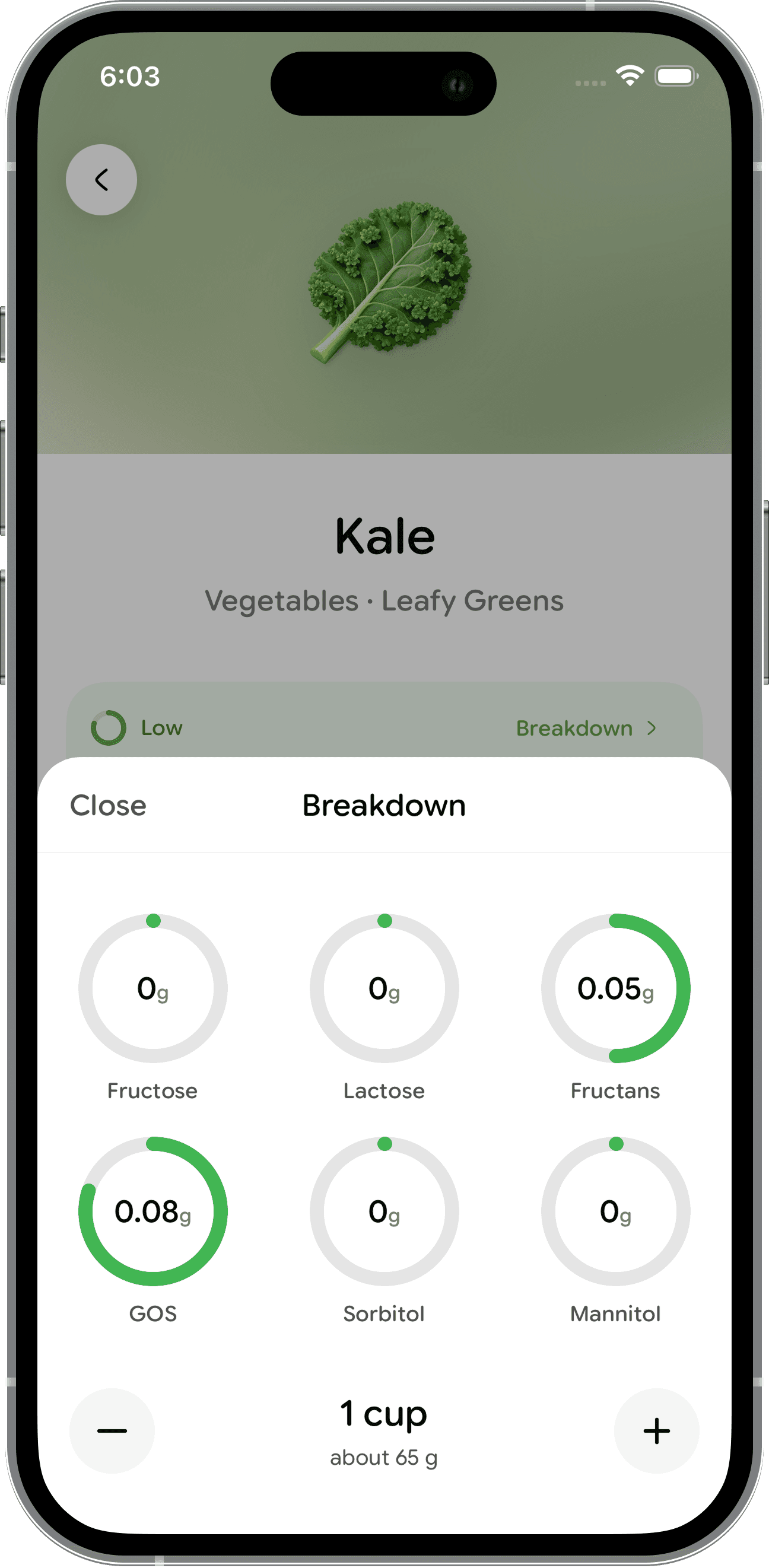
Check a whole plate in seconds.
Not sure about a whole meal? Scan it with the Gut Friendly app.
Get the appRelated foods

Sources and editorial notes
- Monash: including legumes
Legume preparation background; not an exact portion citation.