


Bread (rye)
Grains · Bread
Rye bread: the recorded FODMAP references are 86 g high.
Serving sizes for bread (rye)
Rye bread: 86 g high. No low reference is available.

Reference portions
Select an amount or rating to update your portion. These are reference portions, not exact cut-offs or recommended intakes.| Serving | Amount | FODMAP rating |
|---|---|---|
| Reference portion | Not available | |
| Reference portion | Not available | |
| 2 slices |
Is bread (rye) low FODMAP?
These references apply to rye bread. No low portion was verified for this preparation; do not infer one from the higher reference. Compare Dark Rye Bread, Light Rye Sourdough Bread, Corn Bread (Netherlands). Each guide describes its own preparation; a related food is not automatically a like-for-like substitute.
Bread (rye) and IBS: what to know
Use this guide to distinguish the named preparation from the related entries. The source below is background reading and does not independently verify the numerical table.
Gut-friendly ways to eat bread (rye)
Weigh the slices from your loaf: slice thickness varies. Match the flour blend and country shown in this guide before using its references.
Frequently asked questions
What is the low FODMAP portion for bread (rye)?
No low portion was verified. The full references are 86 g high.
Can another preparation use these portions?
Compare Dark Rye Bread, Light Rye Sourdough Bread, Corn Bread (Netherlands). Each guide describes its own preparation; a related food is not automatically a like-for-like substitute.
How should I measure this food?
Weigh the slices from your loaf: slice thickness varies. Match the flour blend and country shown in this guide before using its references.

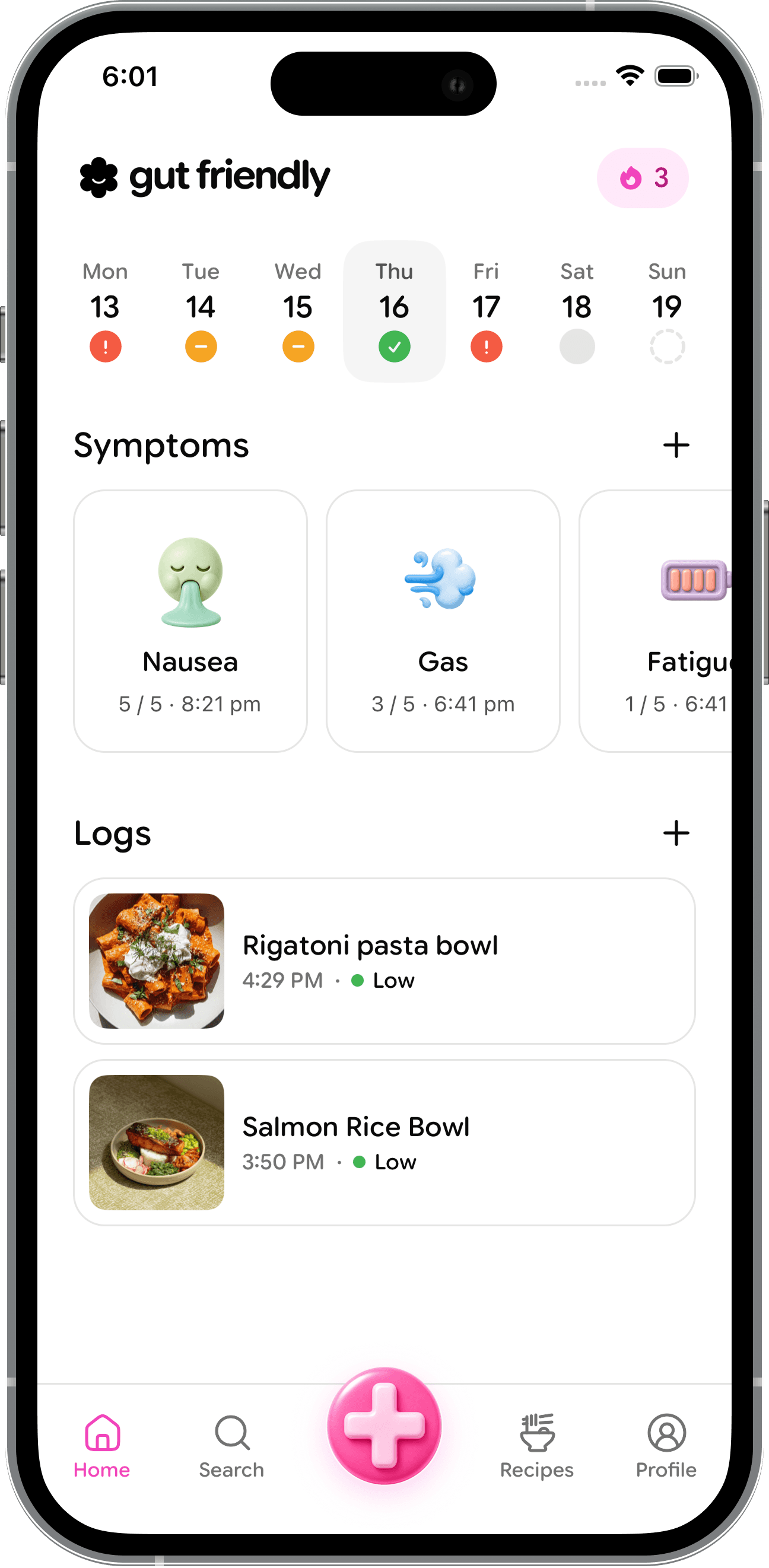
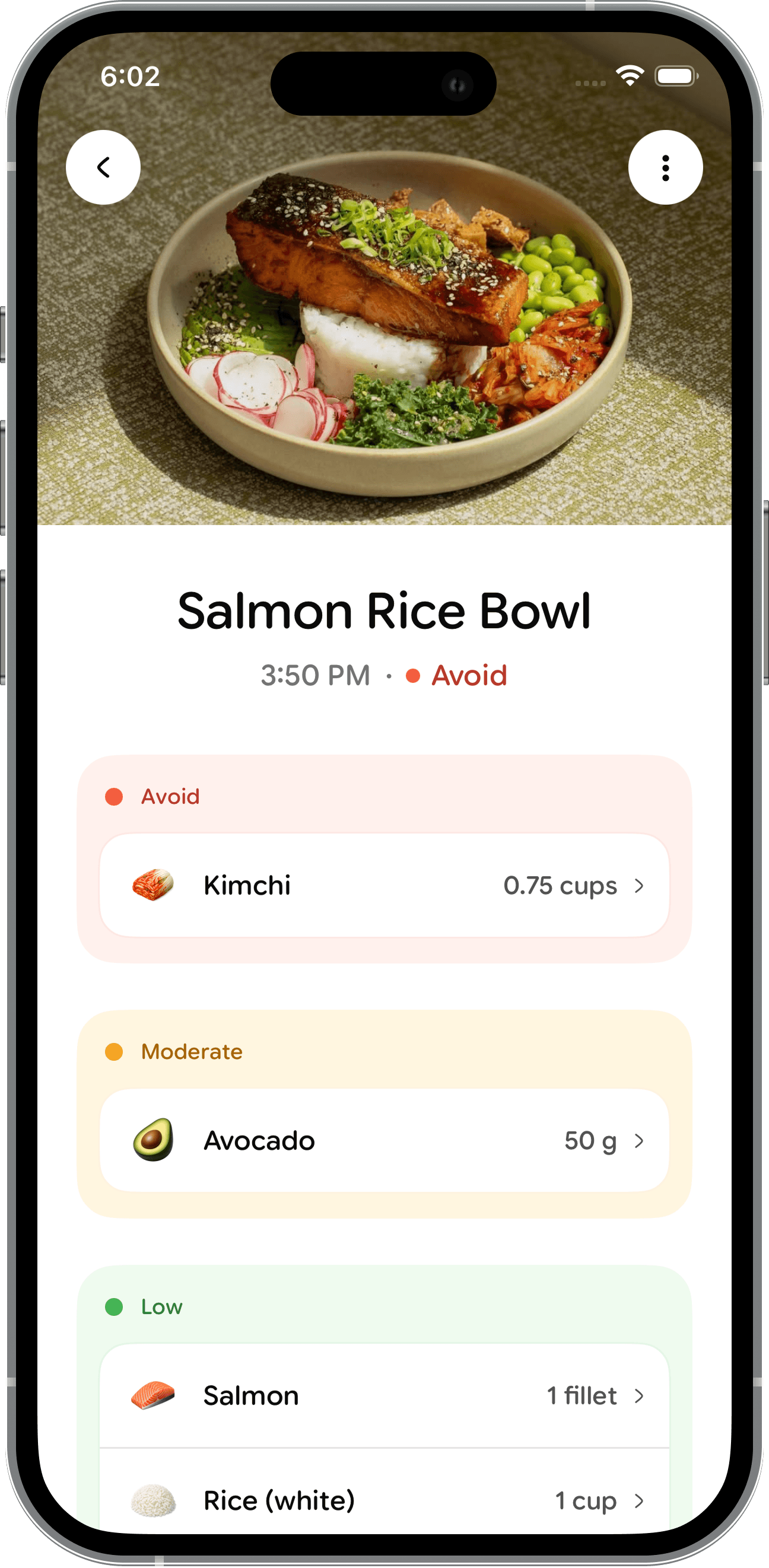
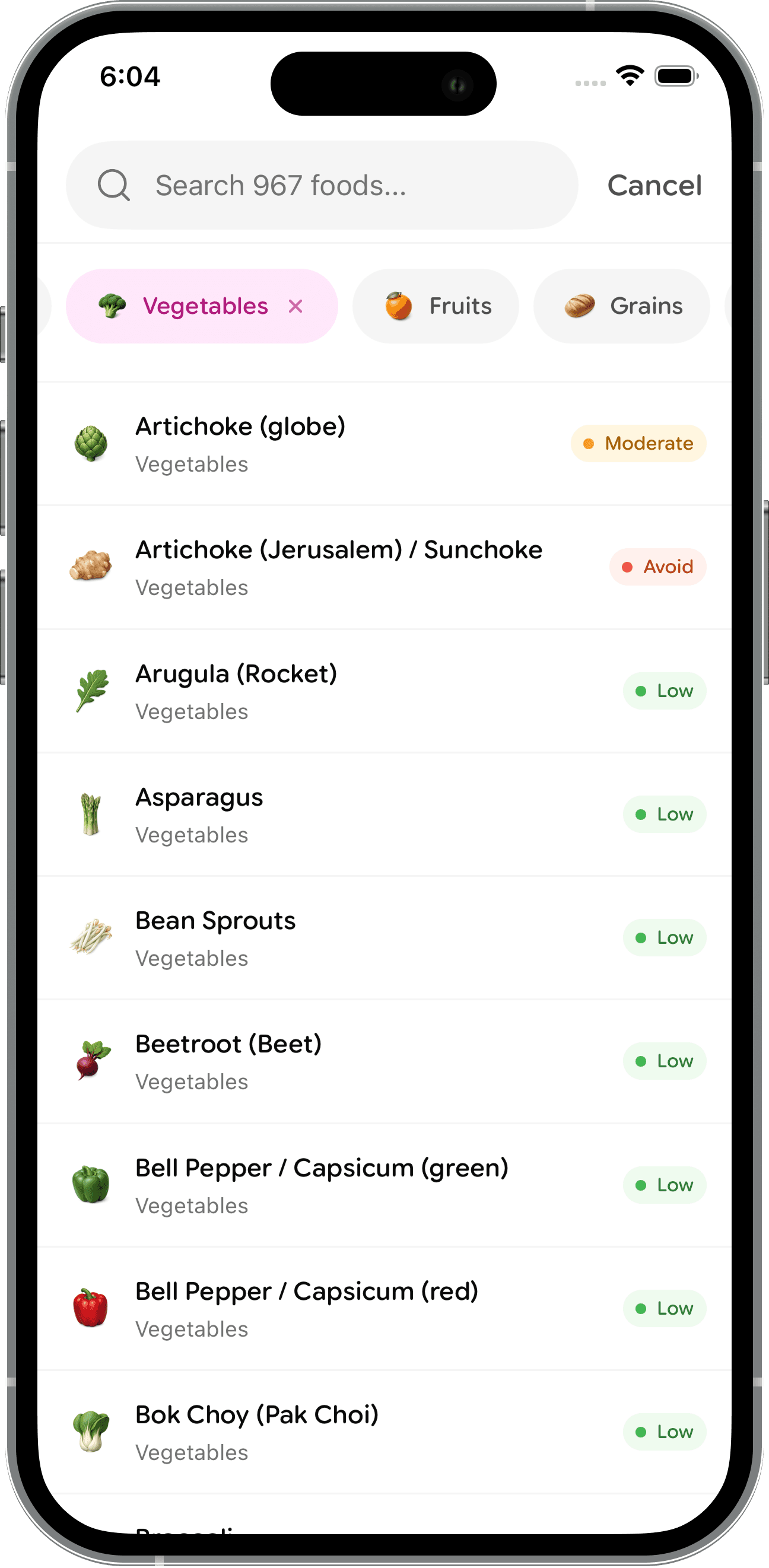
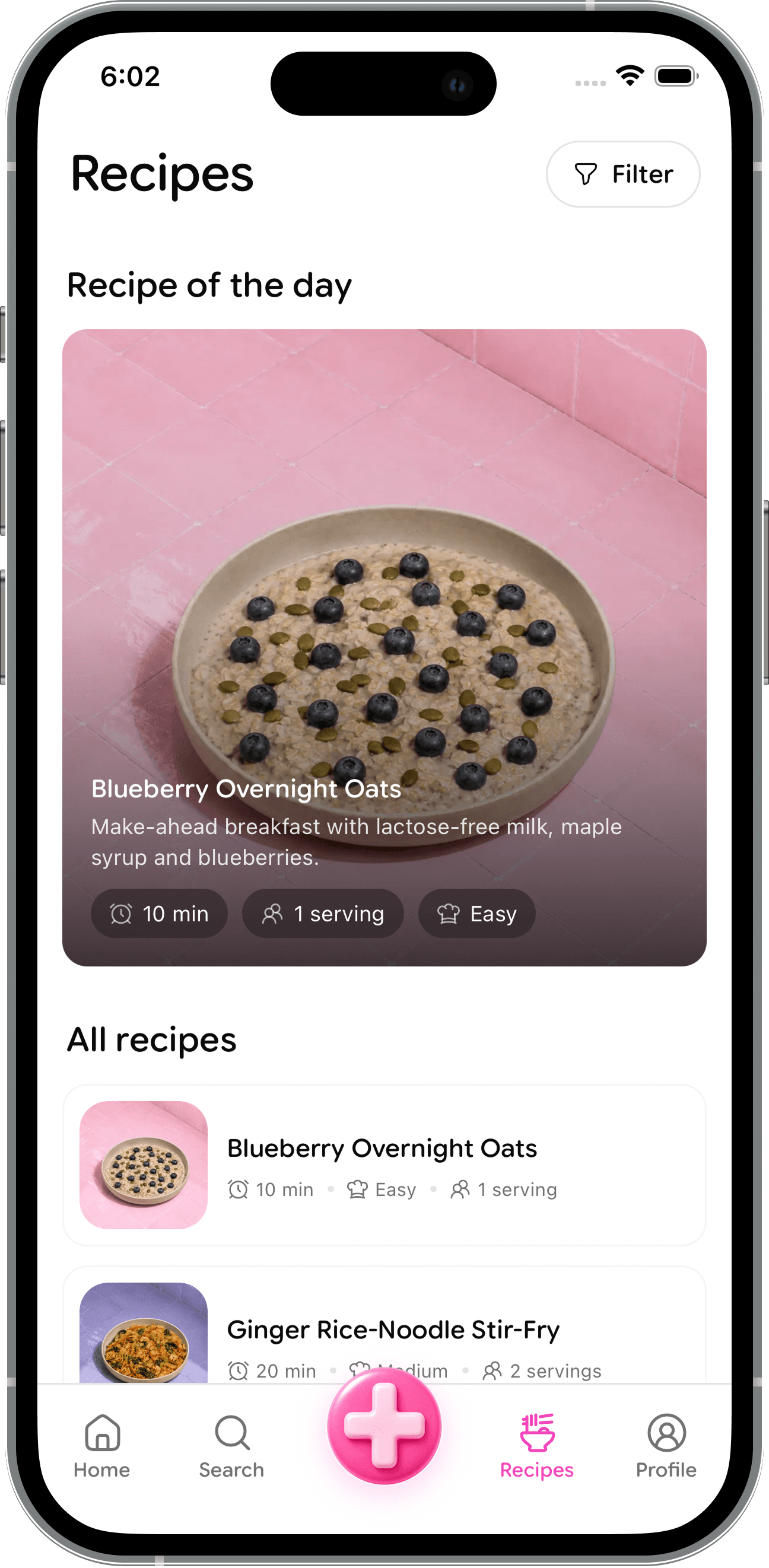
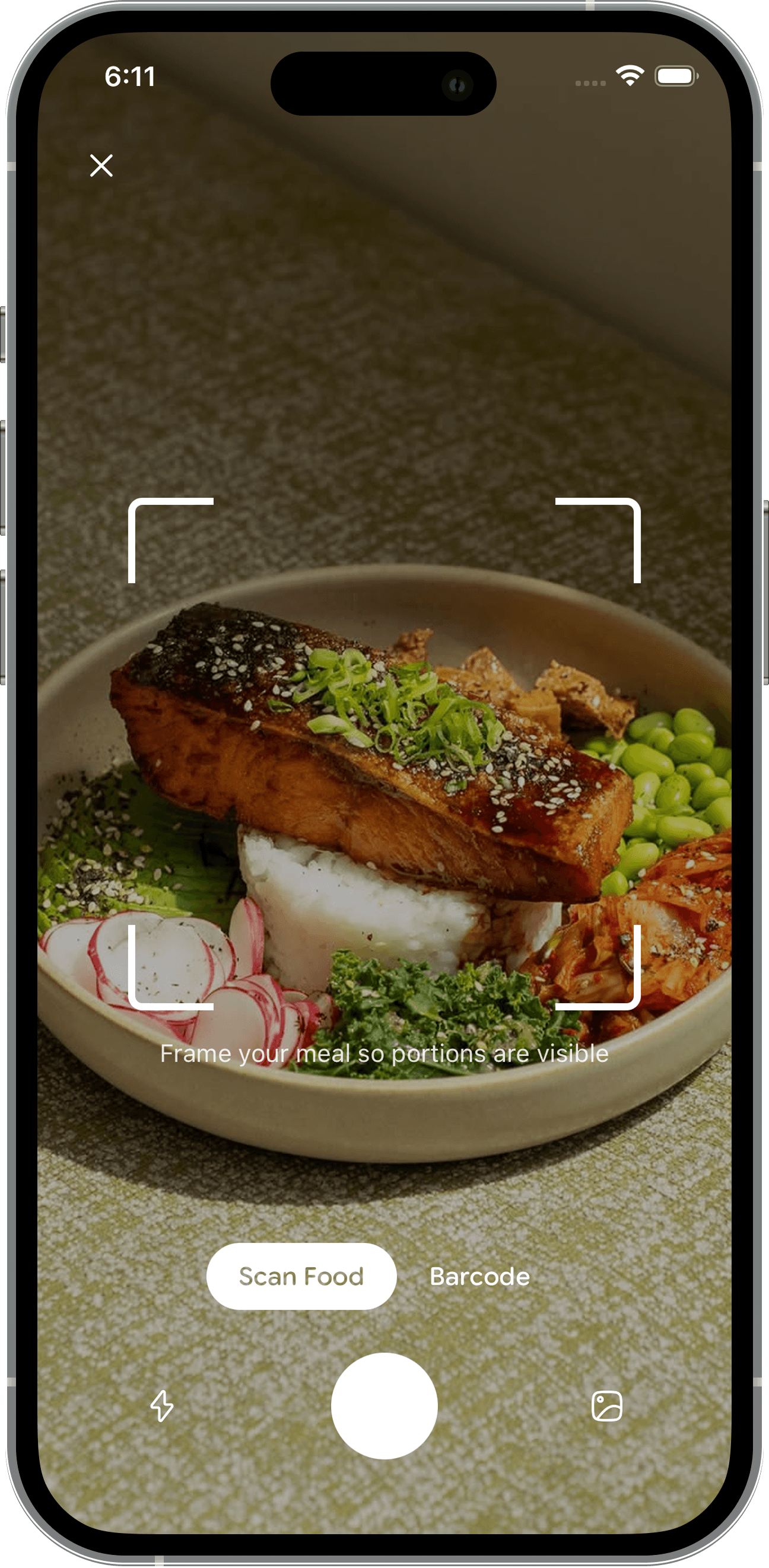
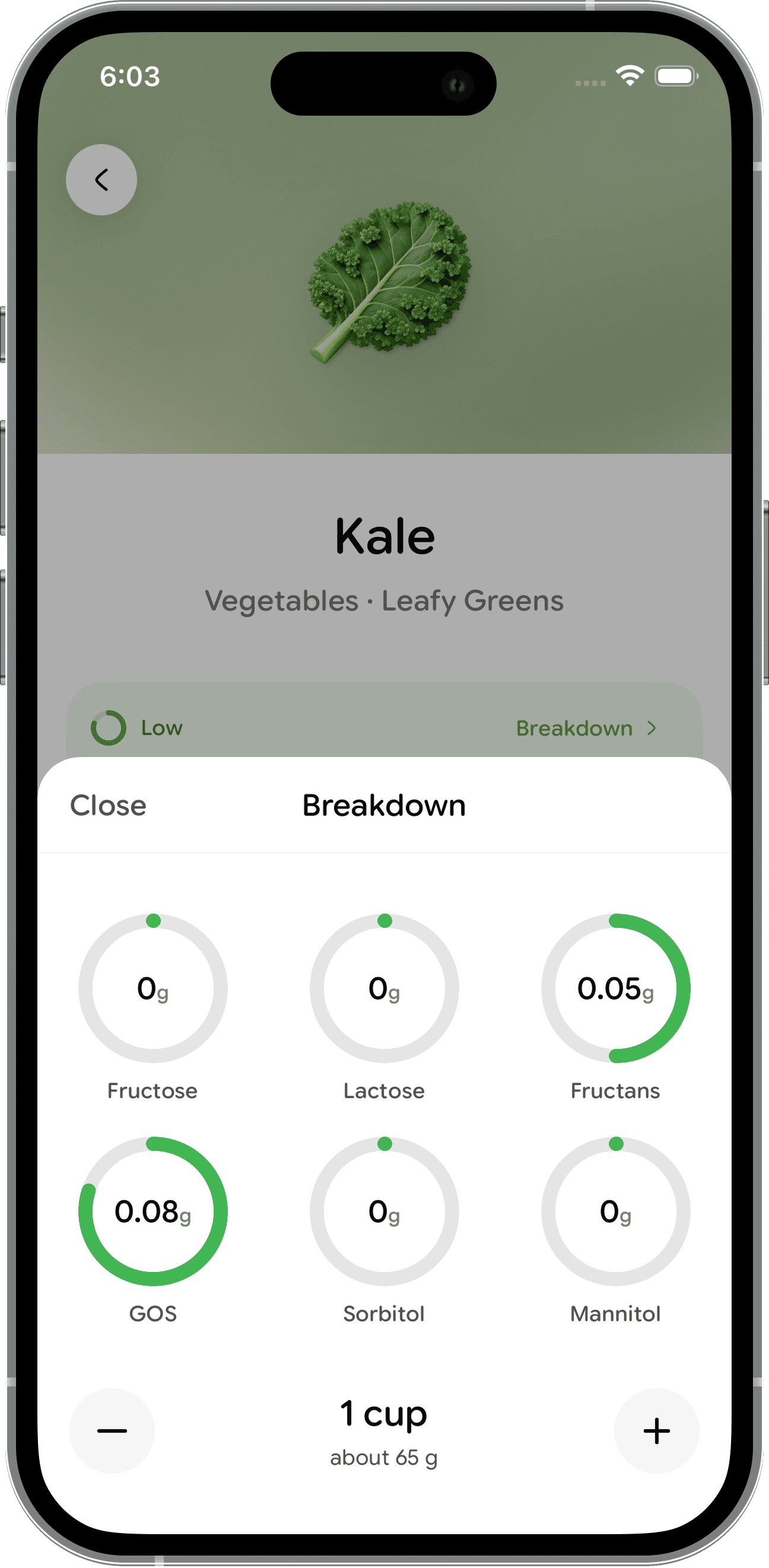
Check a whole plate in seconds.
Not sure about a whole meal? Scan it with the Gut Friendly app.
Get the appRelated foods


Sources and editorial notes
- Monash: gluten and IBS
Background on gluten versus FODMAPs; not evidence for this loaf’s exact portion.