


Barley Flour
Grains · Flours
Barley flour: the recorded FODMAP references are 100 g high.
Serving sizes for barley flour
Barley flour: 100 g high. No low reference is available.

Reference portions
Select an amount or rating to update your portion. These are reference portions, not exact cut-offs or recommended intakes.| Serving | Amount | FODMAP rating |
|---|---|---|
| Reference portion | Not available | |
| Reference portion | Not available | |
| 0.67 cups |
Is barley flour low FODMAP?
These references apply to barley flour. No low portion was verified for this preparation; do not infer one from the higher reference. Compare Amaranth Flour, Amaranth (Puffed), Barley Flakes (Uncooked). Each guide describes its own preparation; a related food is not automatically a like-for-like substitute.
Barley Flour and IBS: what to know
Use this guide to distinguish the named preparation from the related entries. The source below is background reading and does not independently verify the numerical table.
Gut-friendly ways to eat barley flour
Weigh the flour ingredient, then divide its total weight by the number of equal recipe portions. The flour reference is not a finished-bake weight.
Frequently asked questions
What is the low FODMAP portion for barley flour?
No low portion was verified. The full references are 100 g high.
Can another preparation use these portions?
Compare Amaranth Flour, Amaranth (Puffed), Barley Flakes (Uncooked). Each guide describes its own preparation; a related food is not automatically a like-for-like substitute.
How should I measure this food?
Weigh the flour ingredient, then divide its total weight by the number of equal recipe portions. The flour reference is not a finished-bake weight.

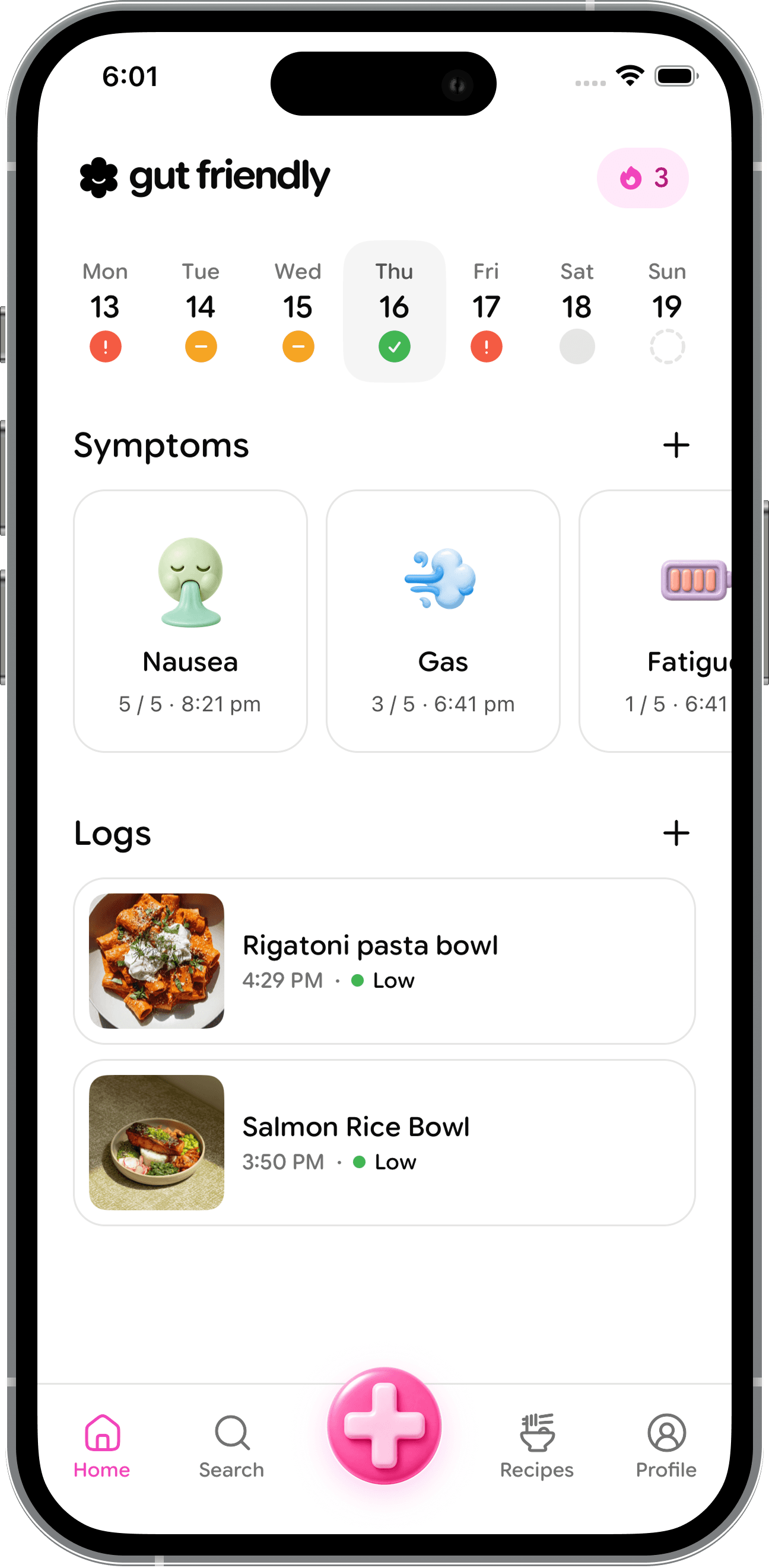
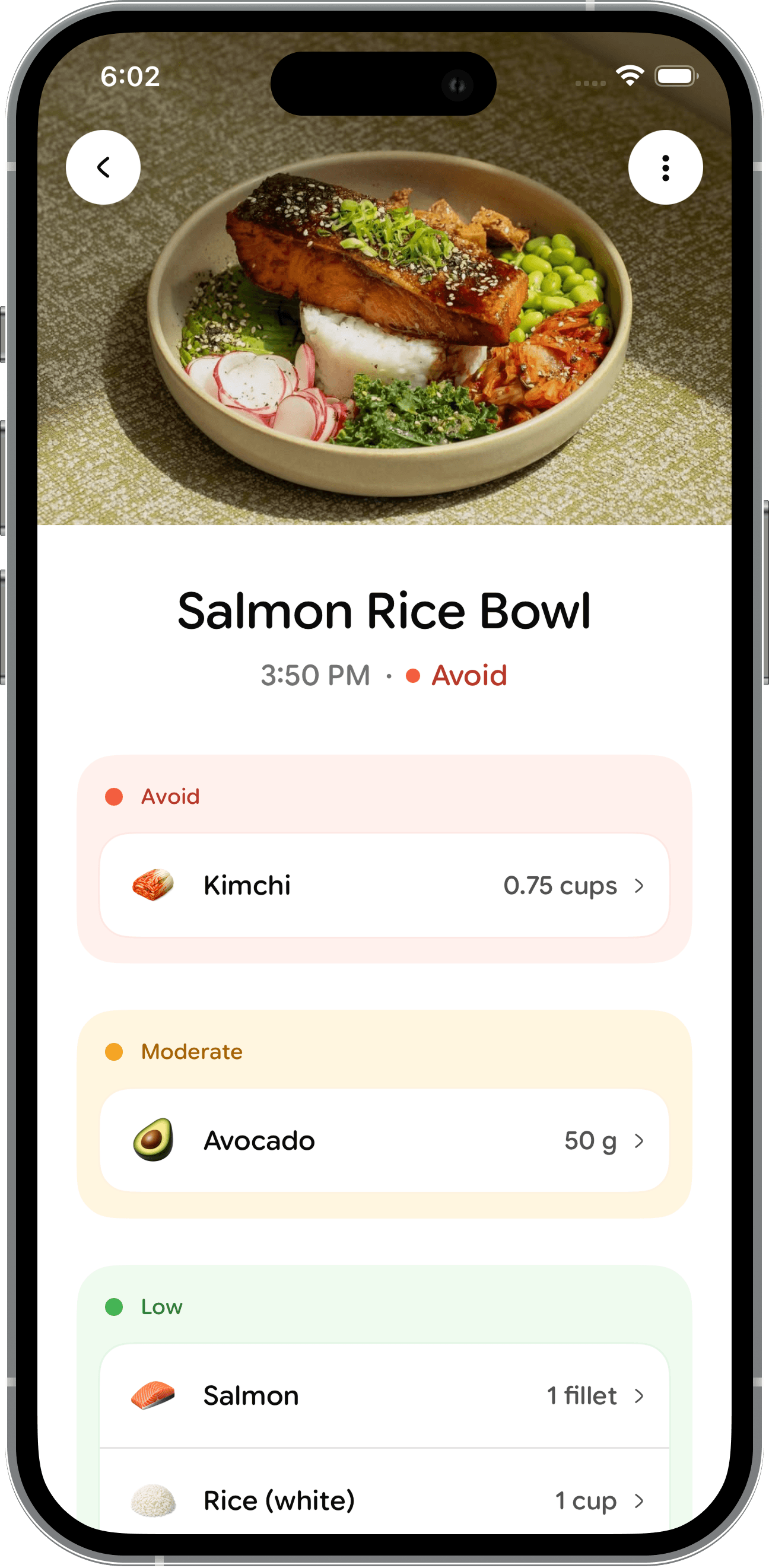
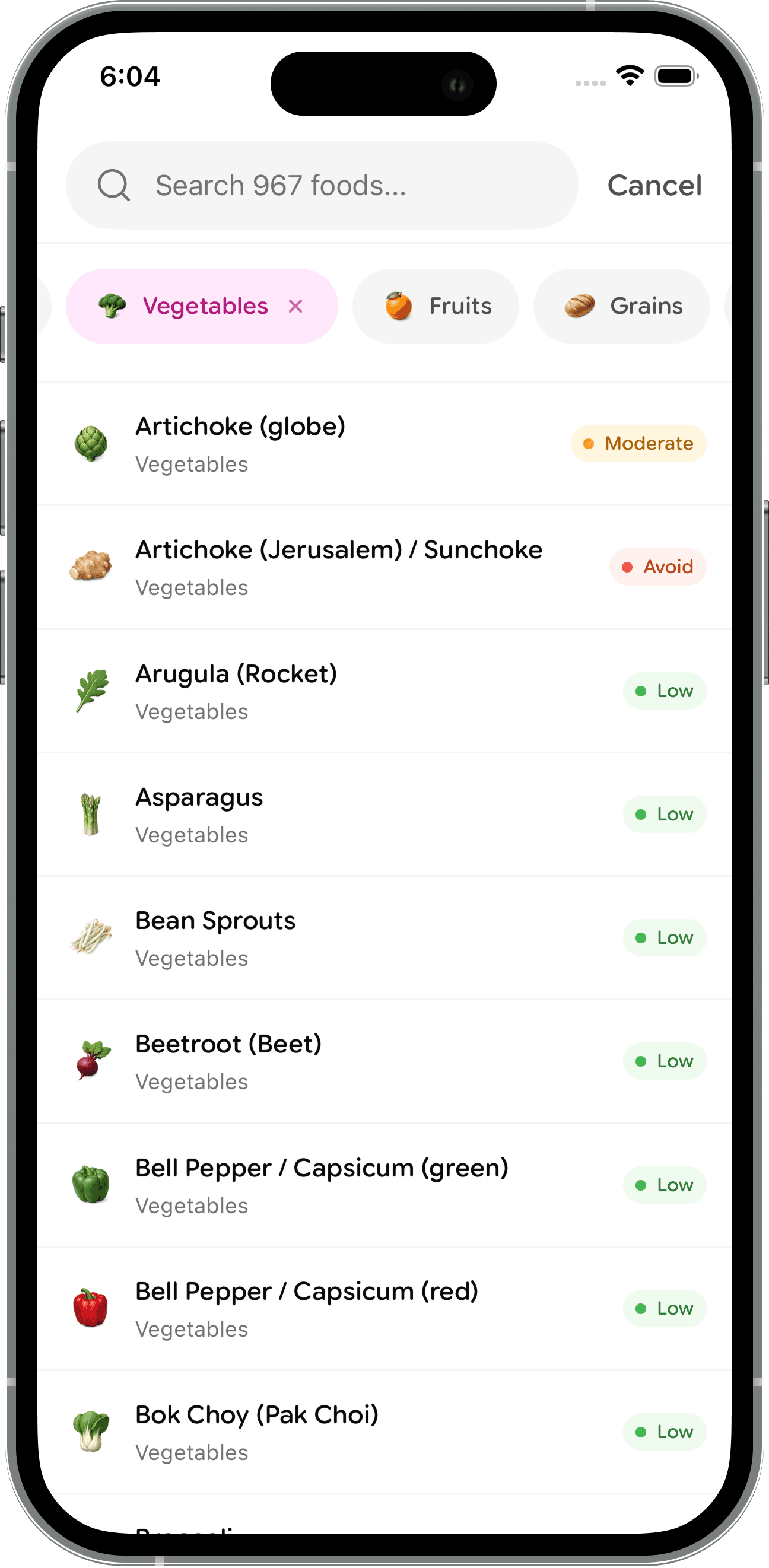
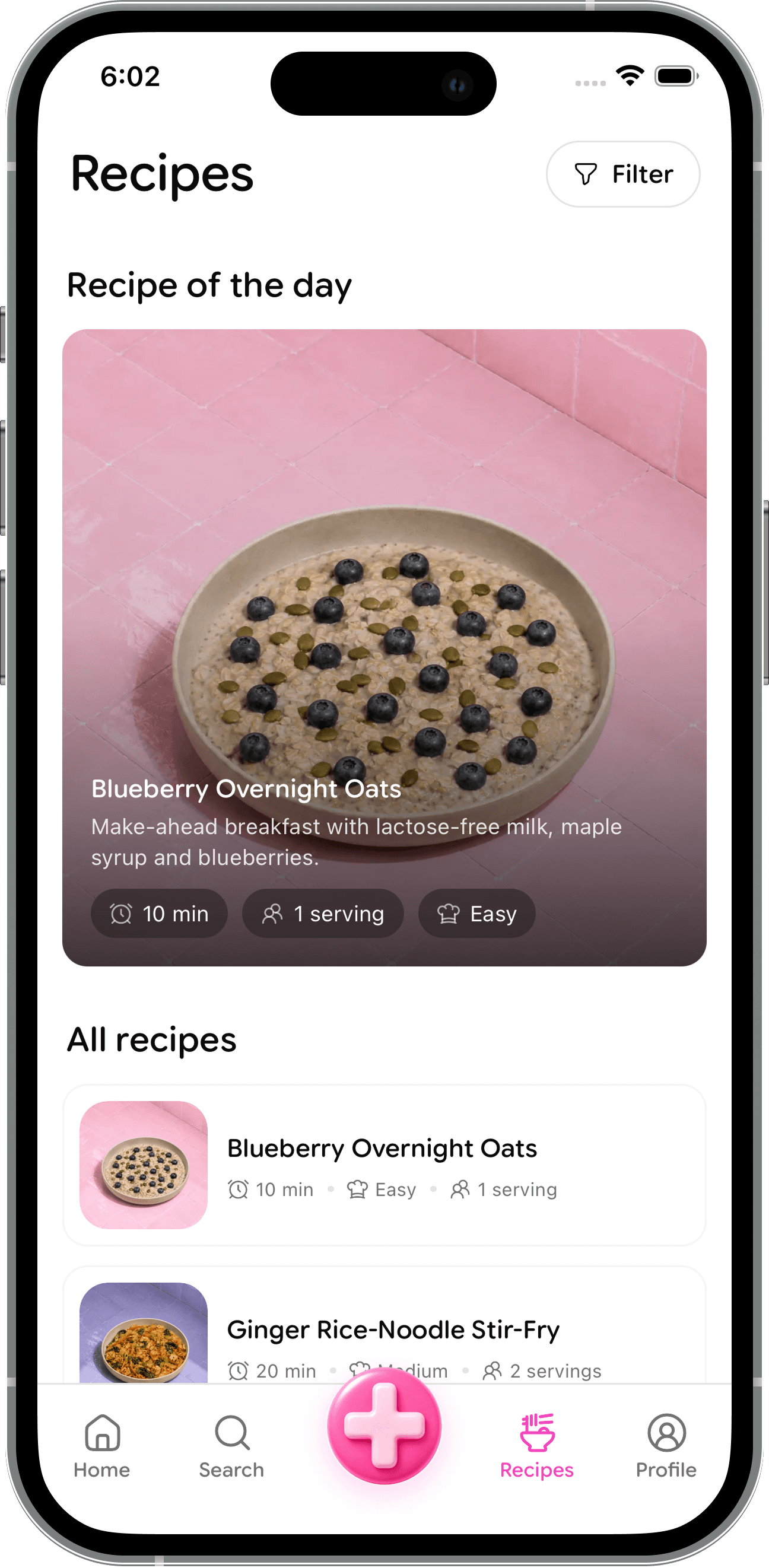
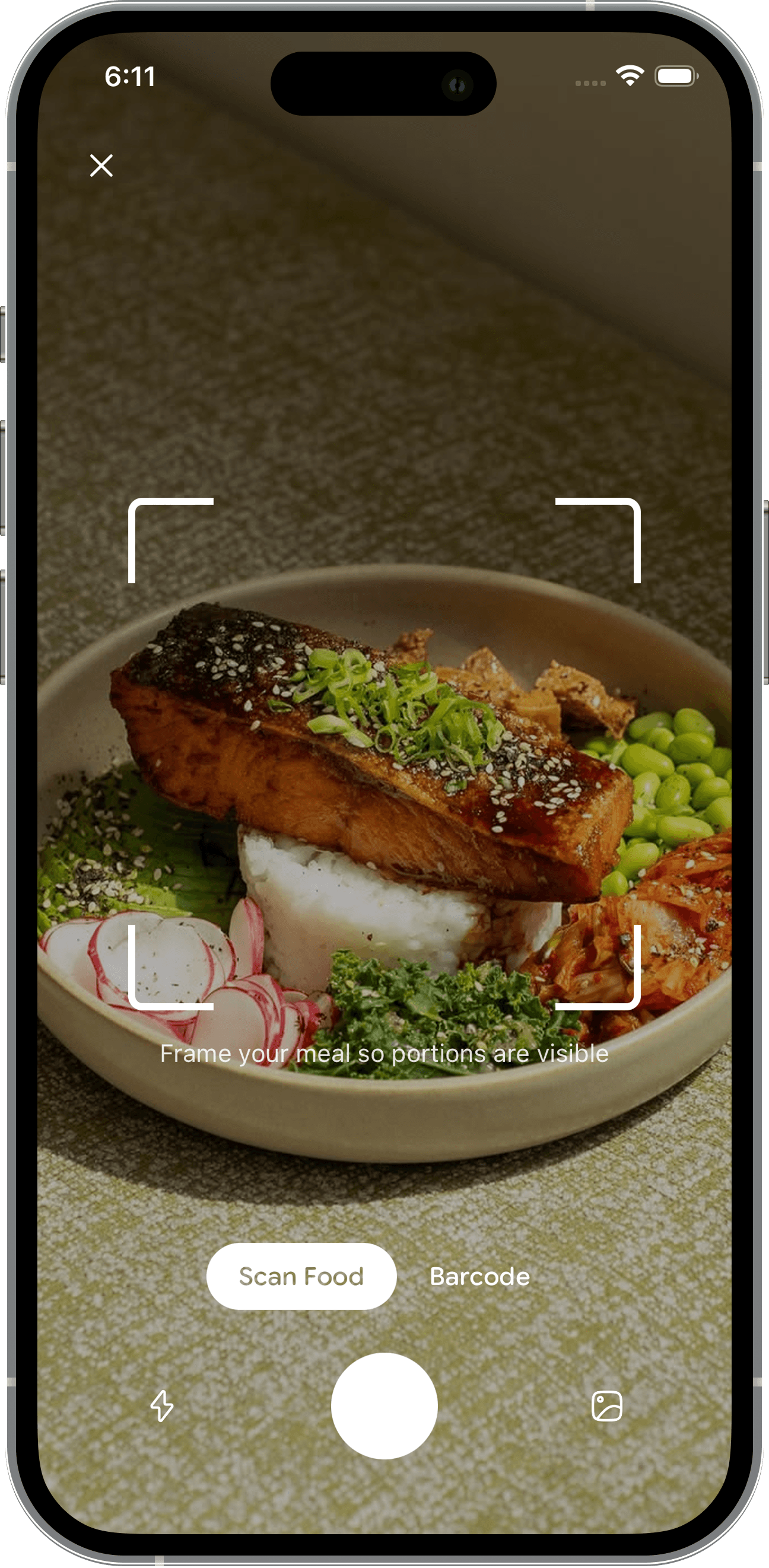
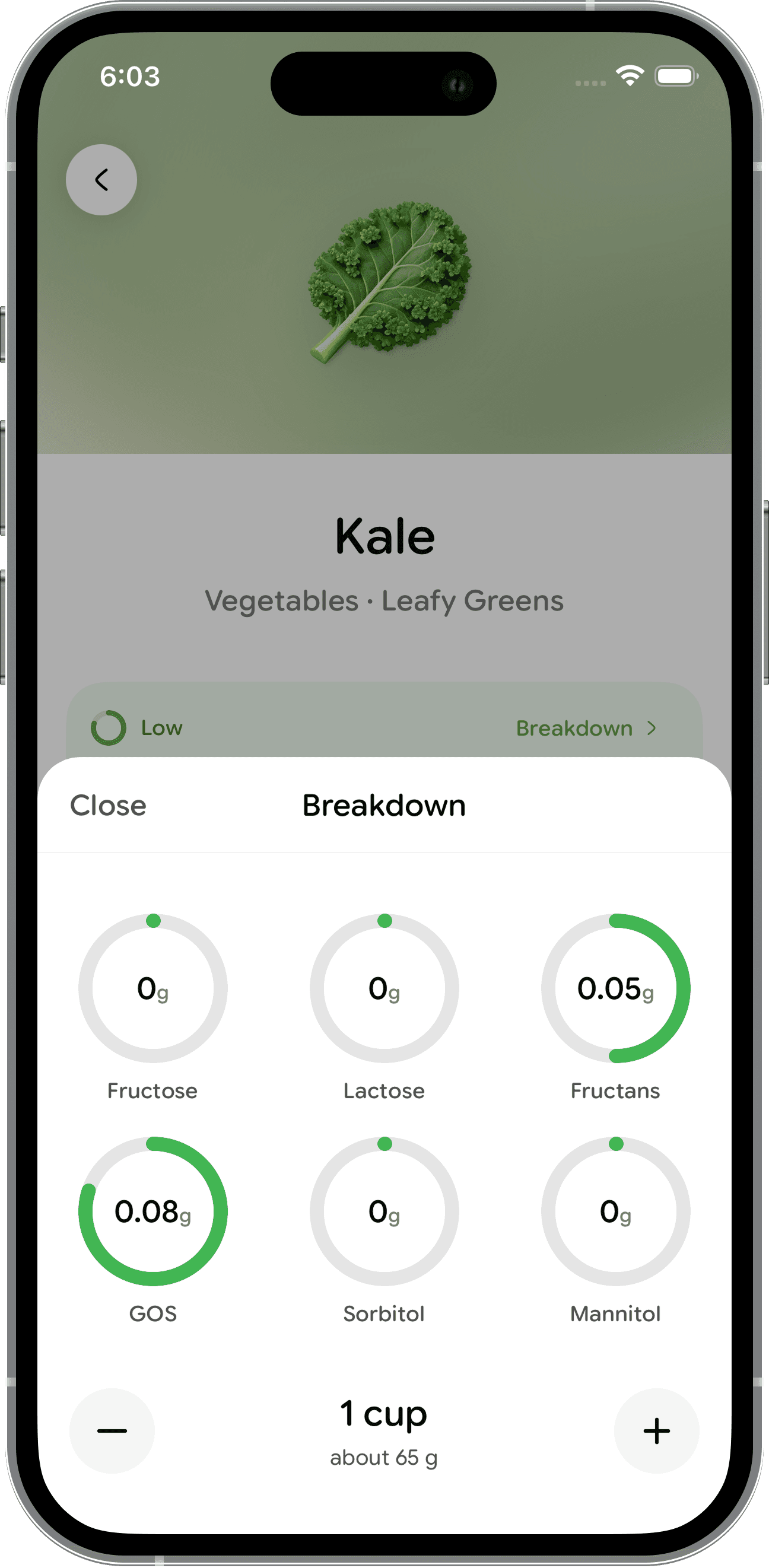
Check a whole plate in seconds.
Not sure about a whole meal? Scan it with the Gut Friendly app.
Get the appRelated foods


Sources and editorial notes
- Monash: FODMAP questions and preparation
General background reading; does not establish the numerical references on this page.